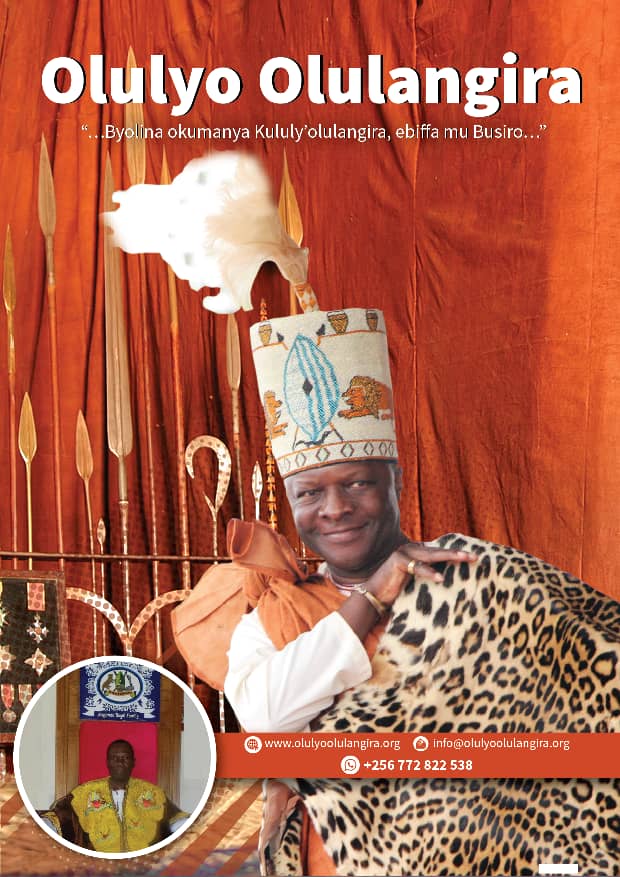
Lets share the historic events of the Baganda past Kings to the current status quo
BUGANDA
Buganda was a basically subsistence economy where the women produced most of the food and the men supplemented the diet by hunting for animal protein. The baganda kept a small domestic animals and birds-goats, sheep and chicken but the cattle industry was almost non-existent.
EARLY BAGANDA
The people who lived in the area that came to be known as Buganda were organized into groups that had a common ancestry and constituted the most important unit in Buganda’s culture – the clan.
Despite a common language and culture, the clans were loosely autonomous. The clan leaders (Abataka) ruled over their respective clans. There was no caste system and all clans were equal. This did not preclude the fact that from time to time, the leader of one clan might be militarily stronger than the others. In such a case, the leader could establish hegemony over the other clans for a time.
There was no generally accepted overall leader however. The leadership would pass to whoever proved his might in battle.
INFRASTRUCTURE
Visitors to Buganda in the second half of the Nineteenth Century praised the infrastructural developments in Buganda especially the roads and public buildings. There was a well established network of roads from the capital to the county headquarters down the line to the villages and most of these were roads not paths as was the case in the neighbouring states.
Public buildings were also built across the country through the mobilization of labour but, at the royal courts, each clan had a different duty to perform. All in all, whether it was the building of roads and bridges or the construction of public buildings, the key capacity was mobilization premised on obedience and loyalty to authority.
All this work was done in the interest of the country without demure. The greatness attributed to Buganda in the nineteenth century was to a great extent a consequence of sheer hard work and the capacity of her rulers to mobilize labour.
DRESS CODE
It was during the reign of Kimera(144 Century) that Wamala-Buyungo of the Ngonge(Otter) clan invented the making of barkcloth saving the Baganda the nakedness prevalent in the neighbouring countries.
Barkcloth from Buganda was on very high demand in neighbouring countries and only royalty and the senior chiefs in other countries could afford it.
Kabaka Junju( 1760-1774) consolidated this as well as the iron industry when he annexed Buddu to Buganda where the barkcloth industry was advanced and the textile workers could be readily trained by Wamala-Buyungo’s descendants.
The barkcloth industry is still important in Buddu today ,.
THE PROCESS OF MAKING A BARK CLOTH
The inner bark of the Mutuba tree (Ficus natalensis) is harvested during the wet season and then, in a long and strenuous process, beaten with different types of wooden mallets to give it a soft and fine texture and an even terracotta color. Craftsmen work in an open shed to protect the bark from drying out too quickly.
Step 1
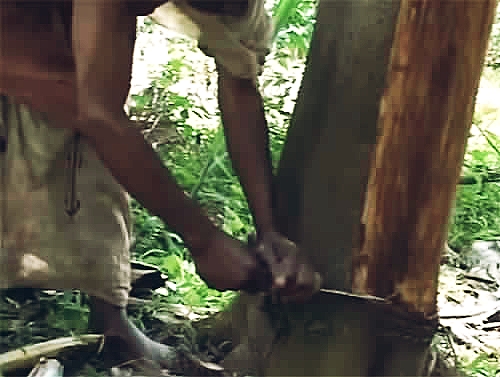
The bark is harvested from the Mutuba tree. The trunk is wrapped with leaves from surrounding banana trees to protect it from the elements and to retain moisture.
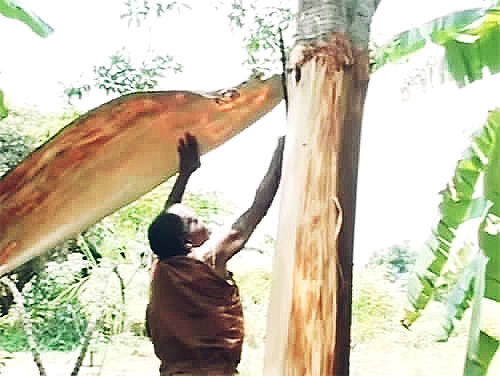
Step 2
The bark is heated using fire and boiling water to make it softer.Barkcloth8
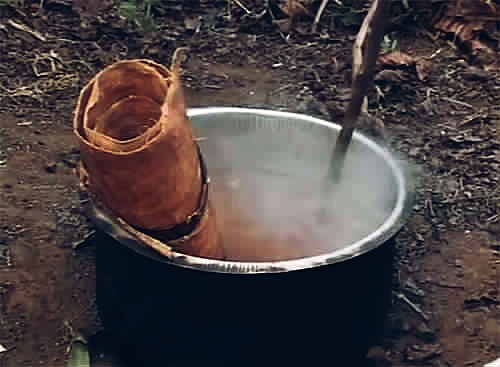
Step 3
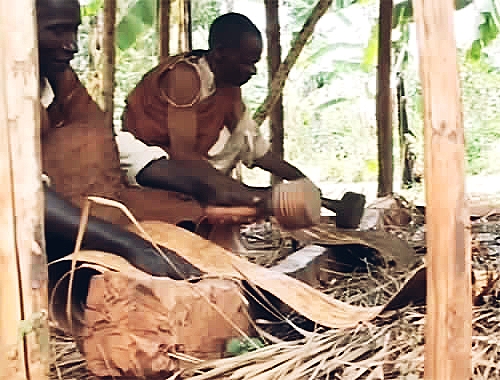
The bark is pummeled with round-grooved wooden mallets. The bark is shaved to remove loose fragments and pummeling continues.
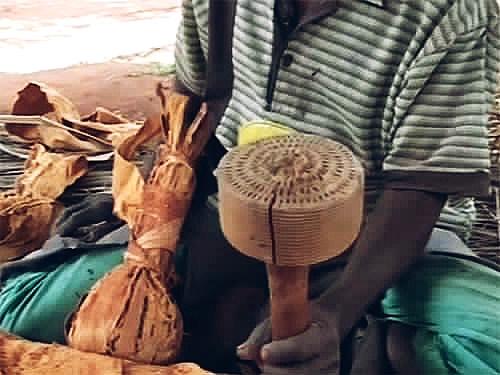
Pummeling and stretching can last for hours and hours. A piece of bark that is 12 inches (30 cm) long can be pummeled and stretched to 120 inches (300cm).
Step 4
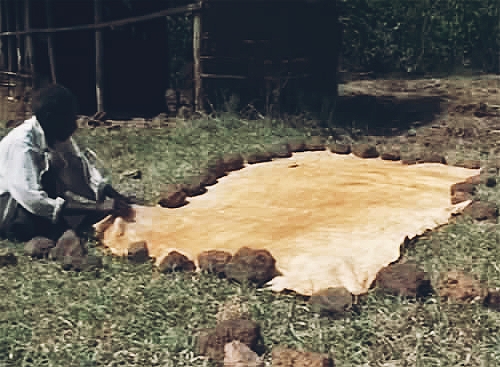
The bark is sun-dried for 3 days and baked into a deep red-brown color.Barkcloth
ECONOMY
Buddu was also important as a gateway to the outside world especially to the states of north west Tanzania in which Ssemakookiro had made inroads early in the nineteenth century, exchanging ivory for cotton cloth, through his agents.
By the middle of the nineteenth century, Kiziba and Karagwe had become tributary states of Buganda and were paying taxes to her on a regular basis. Tribute also came from Kkooki and Busoga.
The Nineteenth Century was Buganda’s golden age. She emerged as a super power and through the development of her navy was able to project her power around all the shores of Lake Nalubaale.

THE KABAKA
The current Buganda Royal Family lineage is one of the ancient but still surviving monarchy in Africa and entire world. Its existence goes back to the 11th Century when Kabaka Kintu, who came to Muwawa and unified the clans under his leadership. He is recognised as the 1st King of Buganda Kingdom.
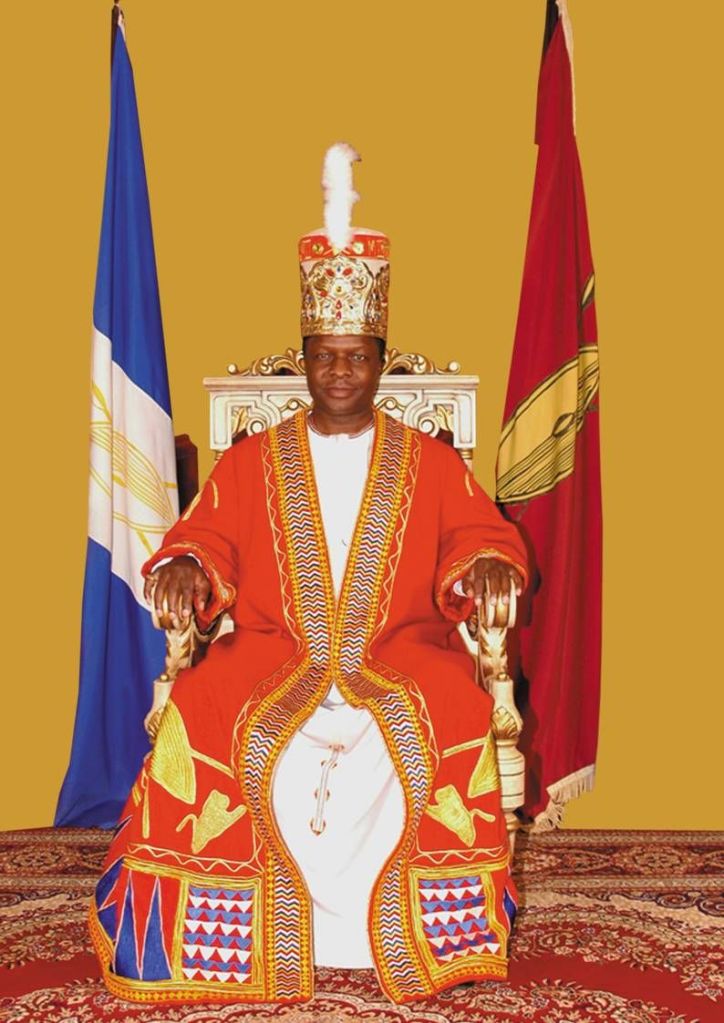
Kintu came into Buganda as a conquering hero. It is seems that at that time, Buganda was very sparsely populated. There are said to have been a total of five clans in Buganda at that time, now called the original clans (bannansangwawo). These were the Ffumbe, Lugave, Ngeye, Nnyonyi Nnyange and Njaza clans.
When Kintu invaded Buganda, he is reputed to have brought 13 clans with him. So it appears that the sheer force of numbers played a key role in Kintu being able to establish himself as king.
The powers vested in the Kabaka were wide-ranging and almost unlimited…he could order the execution of all but a few prominent people. He could appoint or dismiss most chiefs inthe land. The Kabaka was able to distribute land create new offices and abolish others.




The income of the state flowed through the hands of the Kabaka and was redistributed to prominent men who in various positions of honour and authority helped maintain the state. The Kabaka had the power (and he alone, to authorize military expeditions
GENEALOGY
The Buganda monarchy was consolidated as the overriding centre of power in Buganda through the administrative reforms , creating a parallel system of administration, the Bitongole whose officials were directly responsible to the Kabaka and reached down to villages.
With the Abatongole chiefs in place all overthe kingdom, nothing big or small could escape the Kabaka. They furnished intelligence and effectively spied on the mainstream hierarchy ofthe Abakungu chiefs. Clan heads and priests (Bakabona), although still important, were no longer serious competing centres of power.
The Namasole (queen mother), with an elaborate court and a hierarchy of court officials of her own, including her own prime minister(Katikkiro), definitely had a lot of influence over her son’, the Kabaka,but nineteenth century Baganda kings were more than able to hold their own even against the most powerful queen mother.
The genealogy of Buganda’s kings clearly traces the ancestry of the kings through the paternal line, not the maternal line! In other words, becoming king depends on who your father is, not who your mother is.
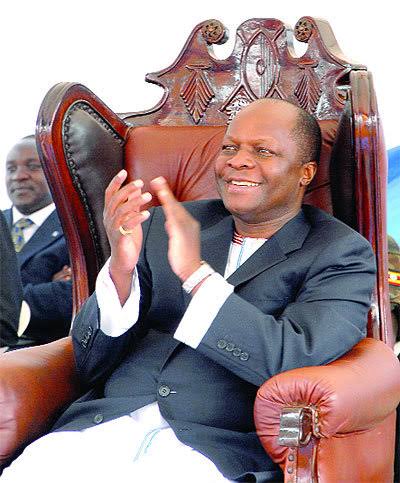
The inescapable conclusion from the above is that the royals do indeed have their own clan and that the royal lineage is not matrilineal.
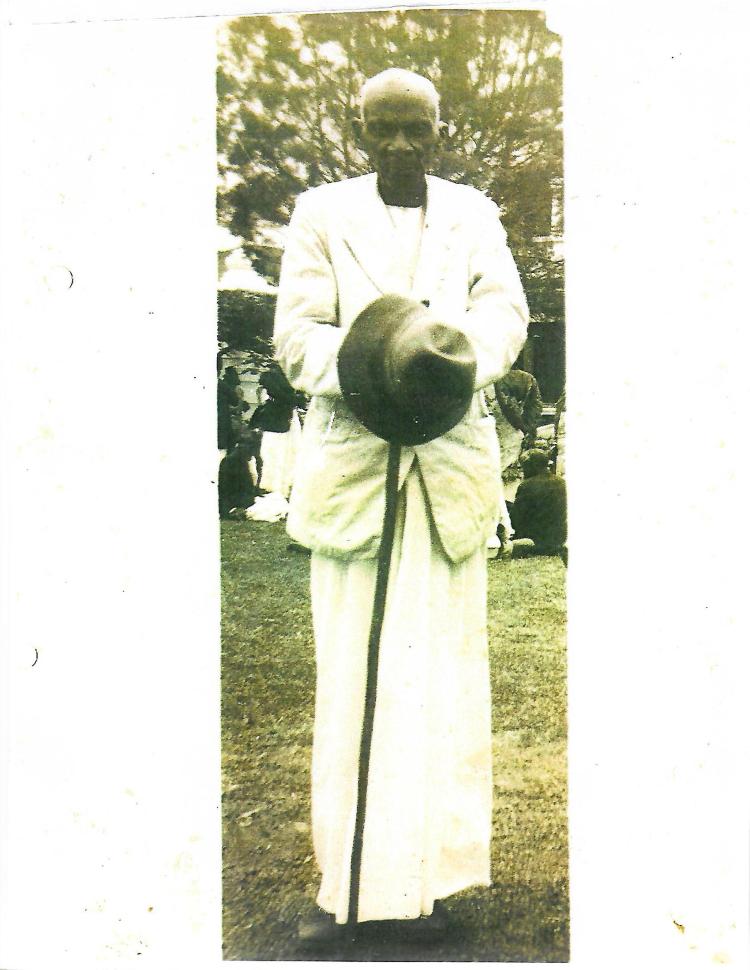
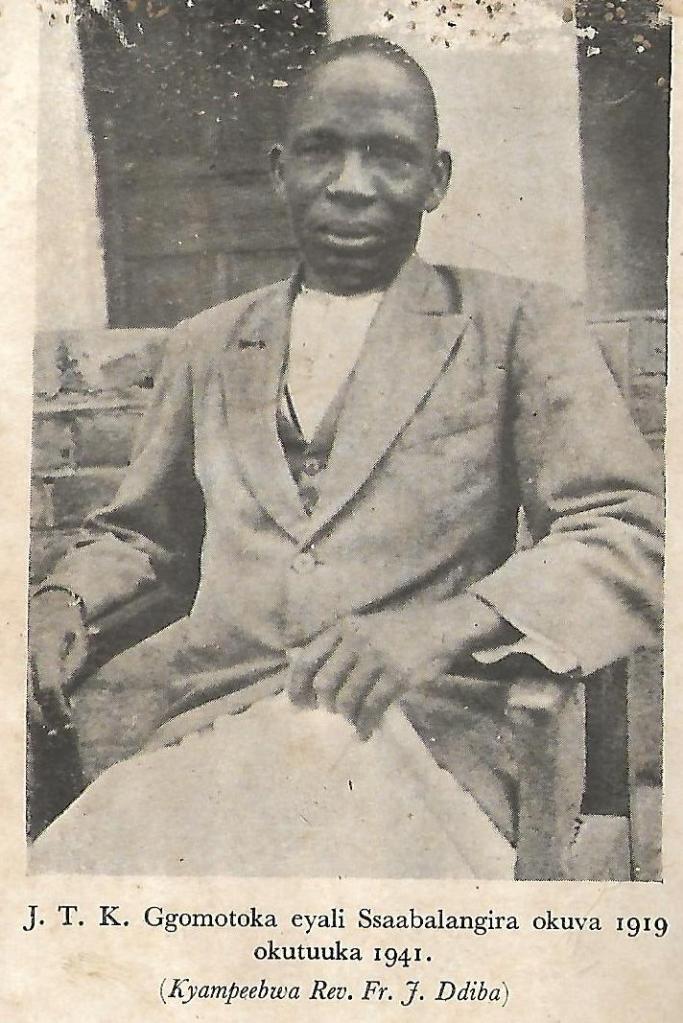
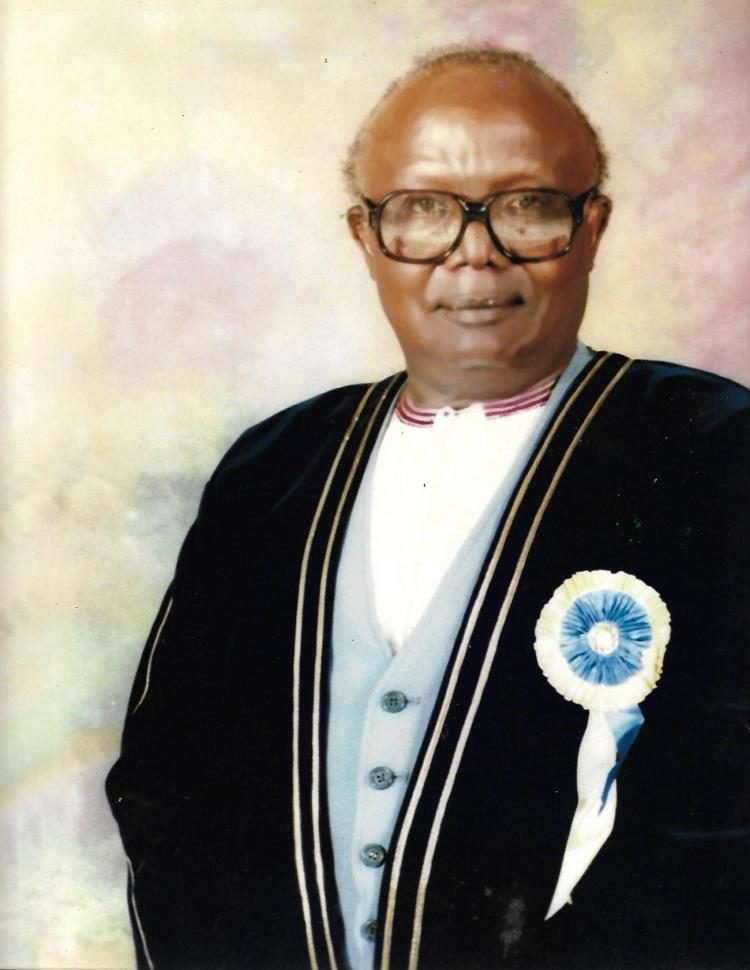
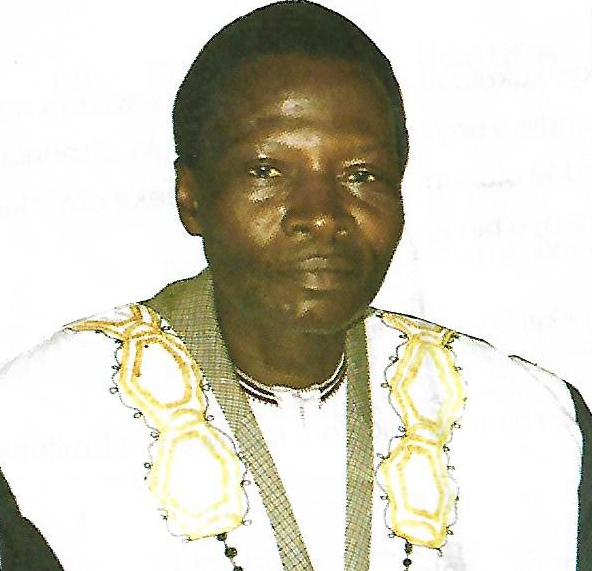
The Kabaka is the head of the royal clan and he delegates his authority in this regard to the Ssabalangira who is the head of the princes and governs the day to day affairs of the clan while the king is occupied by affairs of state.
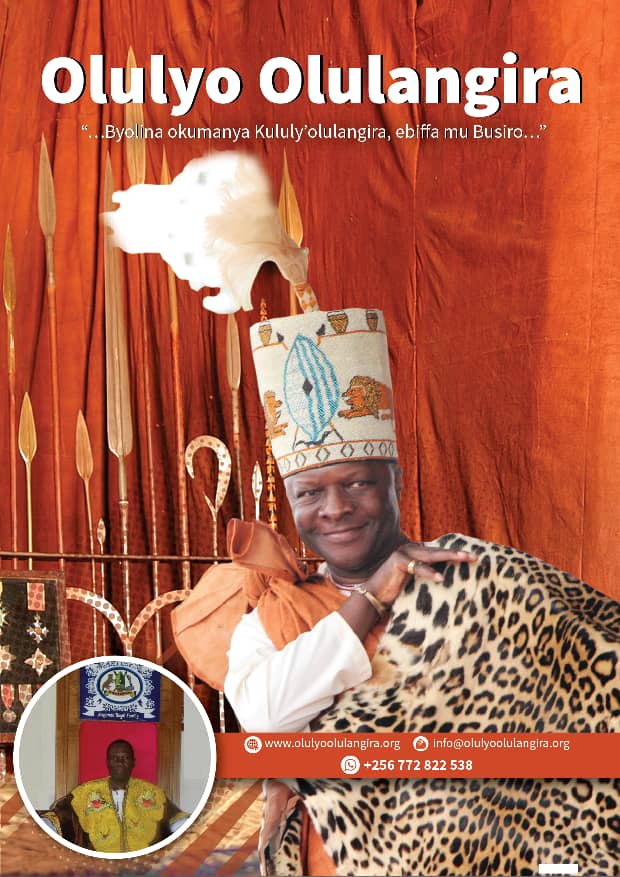
THE Kabaka has his own clan which is called the royal clan “Olulyo Olulangira”.
THE SSABALANGIRA
THE SSABALANGIRA IS CHOSEN BY THE KING TO LEAD THE ROYAL CLAN ON HIS BEHALF SO THAT HE CONCETRATES ON STATE DUTIES.
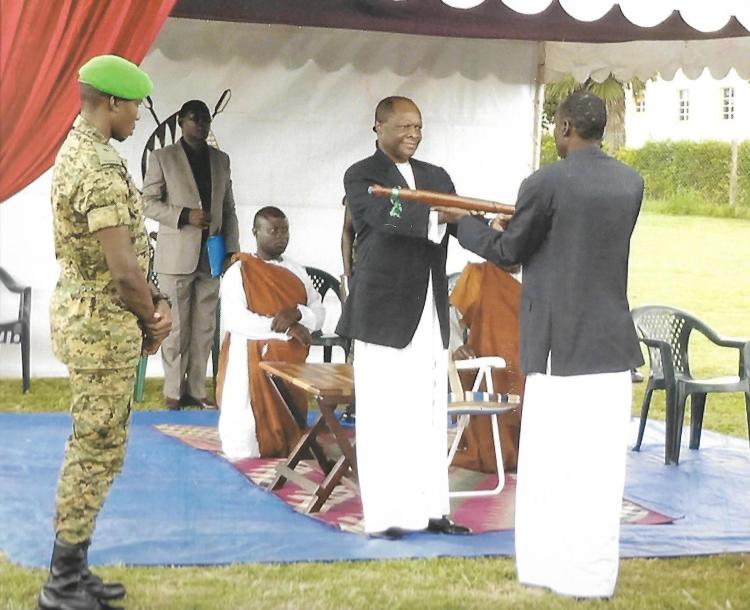
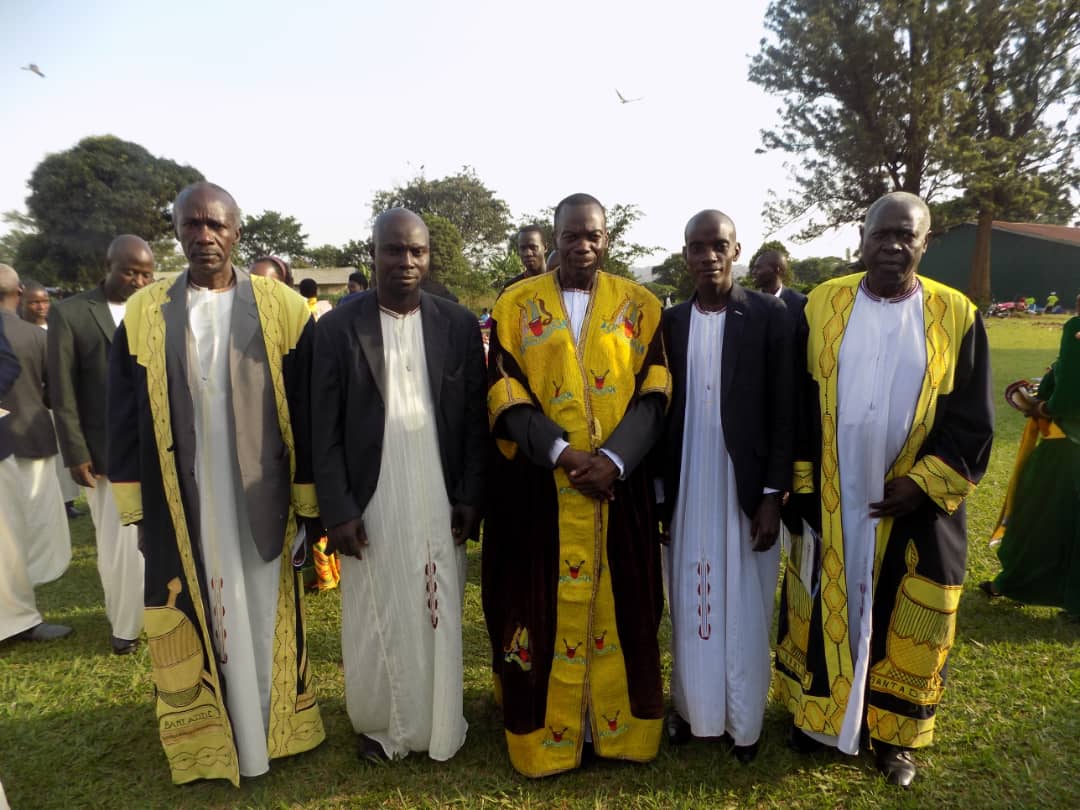
The Ssabalabgira presides over heads of Mituba lineages of former Kings of Buganda.
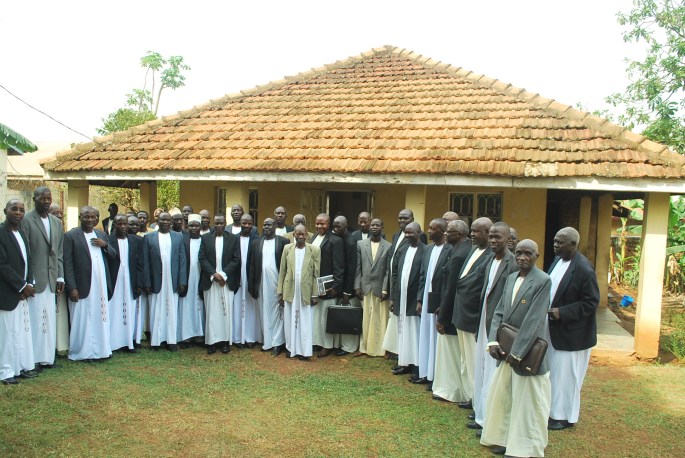
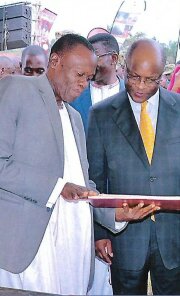
EMITUBA MU LULYO OLULANGIRAFAQ
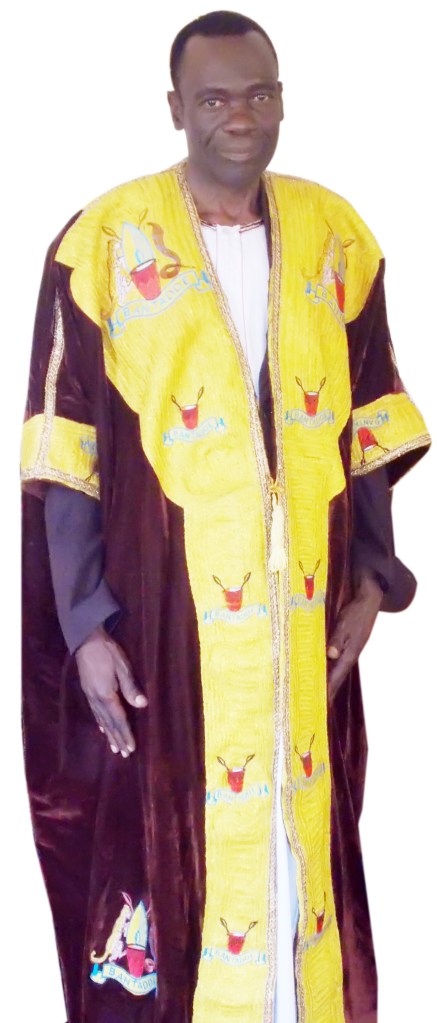
FORMER SSABALANGIRA’S
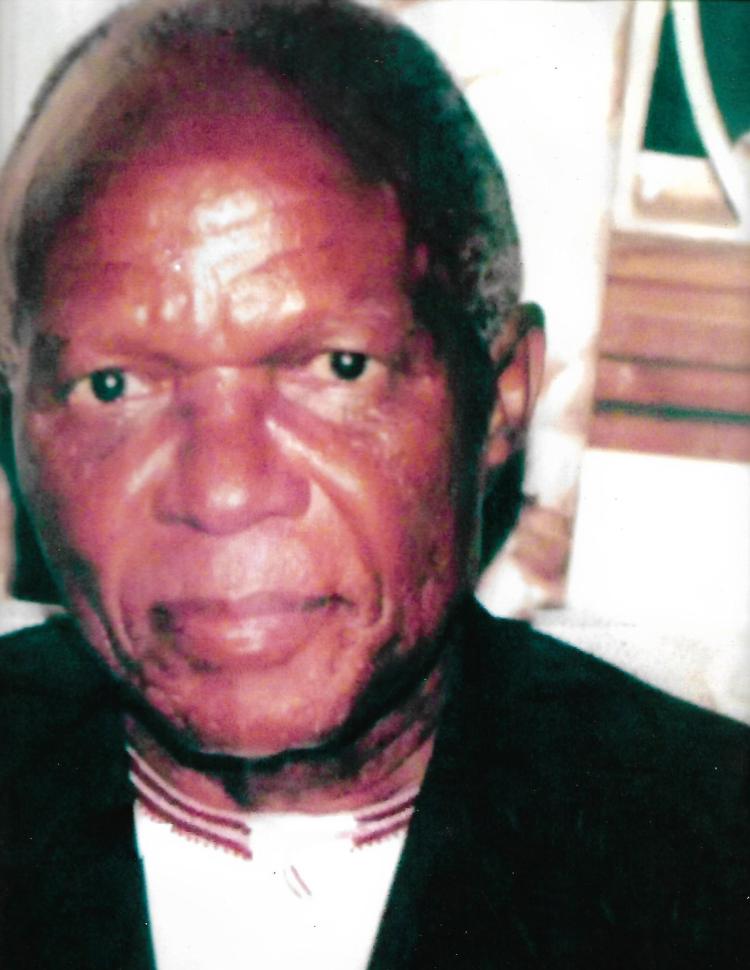
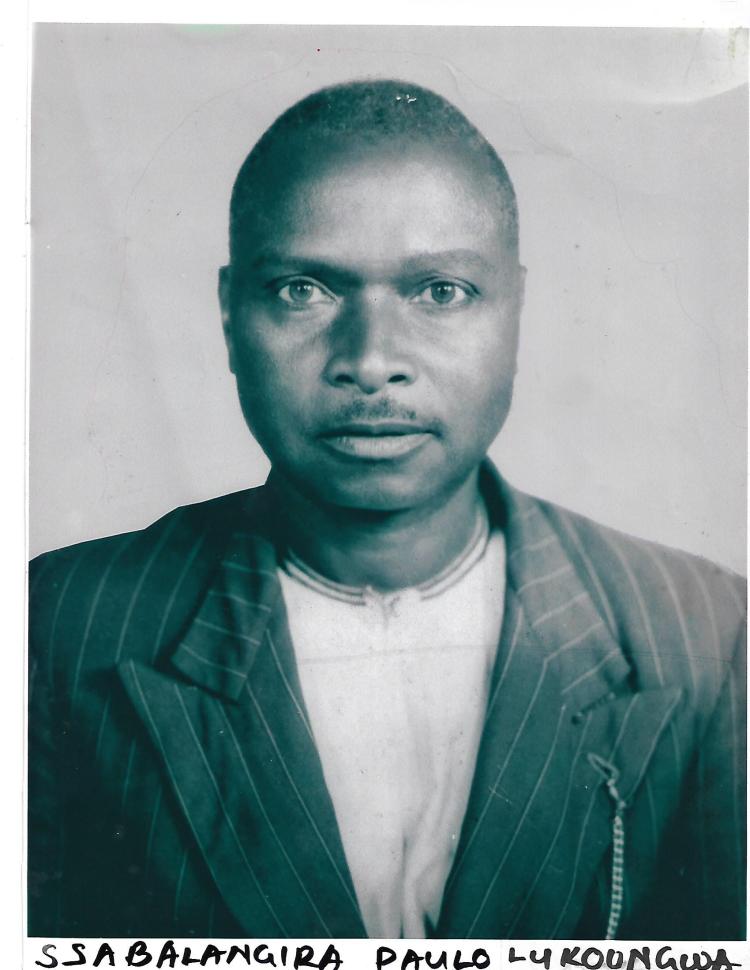
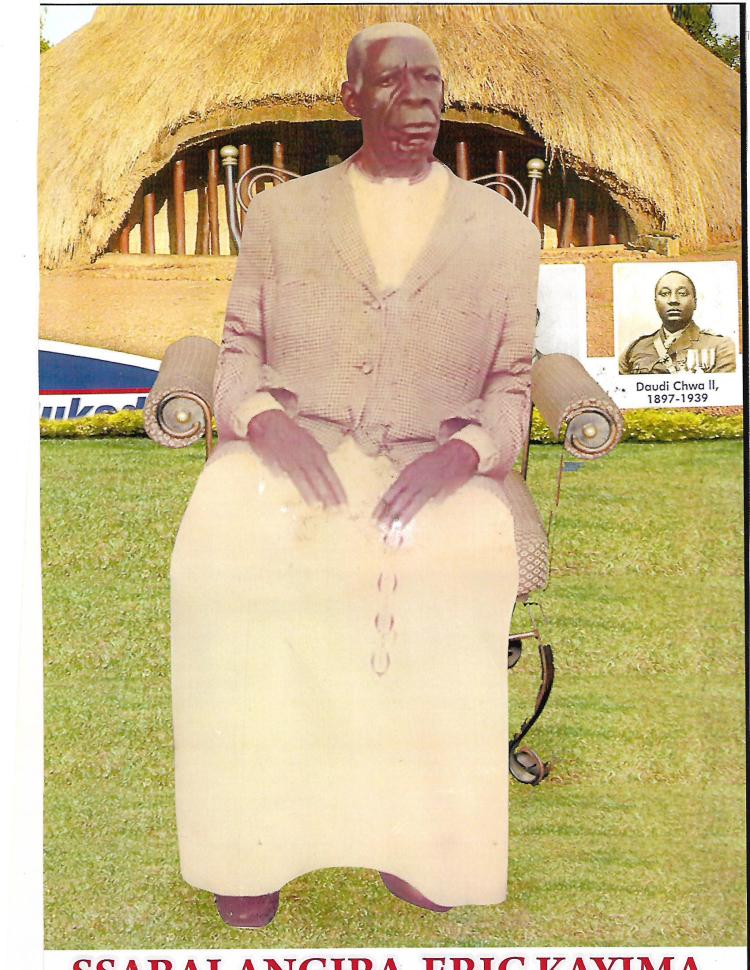
ROYAL CULTURE SITES
The Ssabalangira represented by the head of Mituba,ensures that cultural practices and rituals done in the royal tombs and shrines are performed correctly.
The heads of Mituba are also responsible for identifying, monitoring the welfare of their respective royal palaces & tombs throughout Buganda and reconciling individuals who claim to possess royal ancestry spirits.
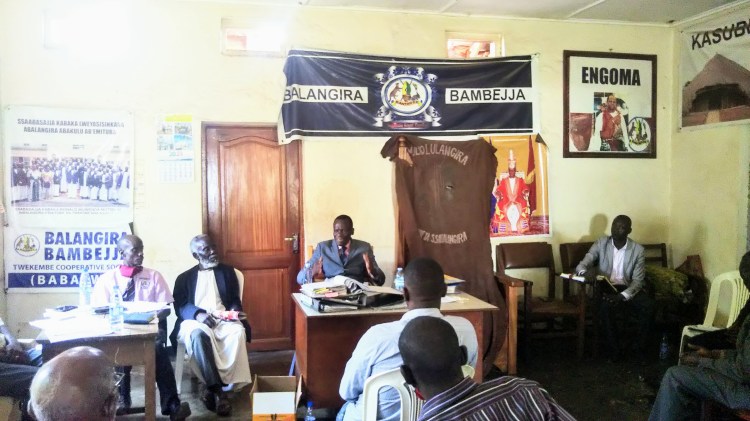
The Mituba heads research into claims by royal members on lineage,and ancestory origins.The team is also responsible for official olulyo olulangira.
Improvement of conditions at the different tombs and palaces to attract tourists.
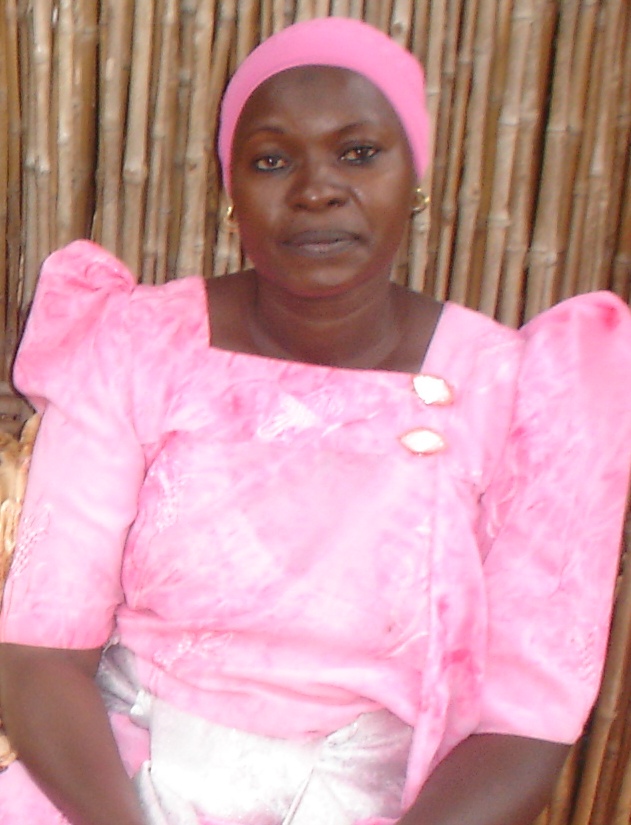
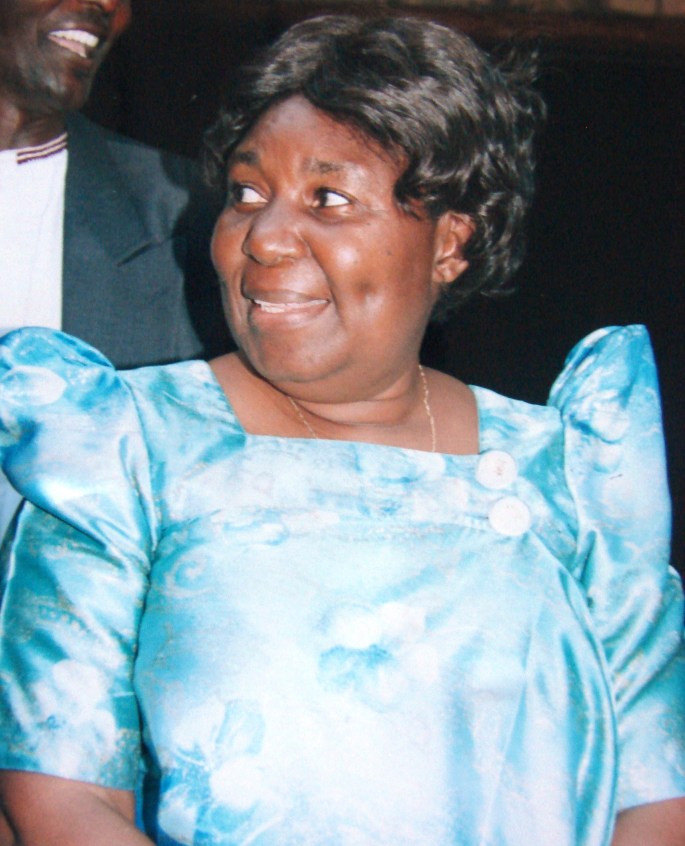
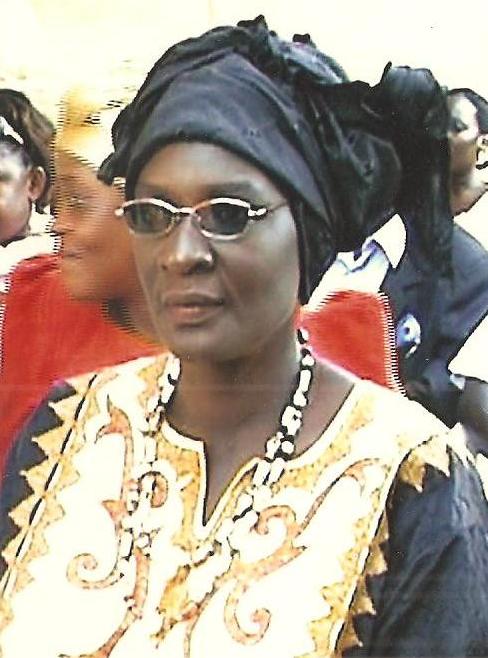
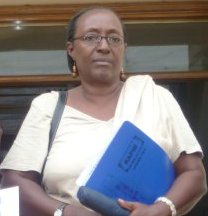
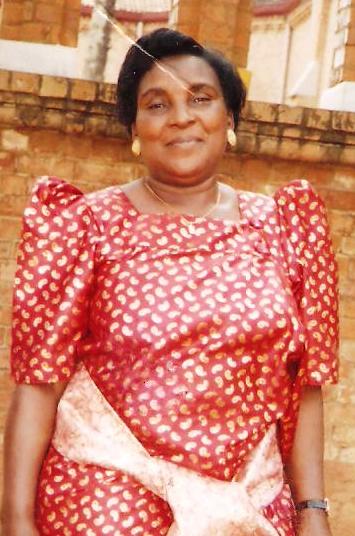
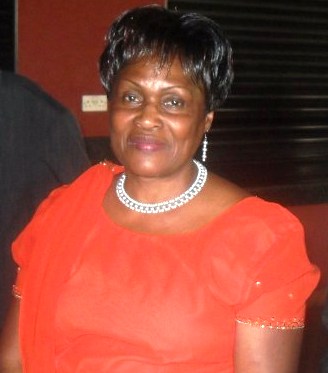
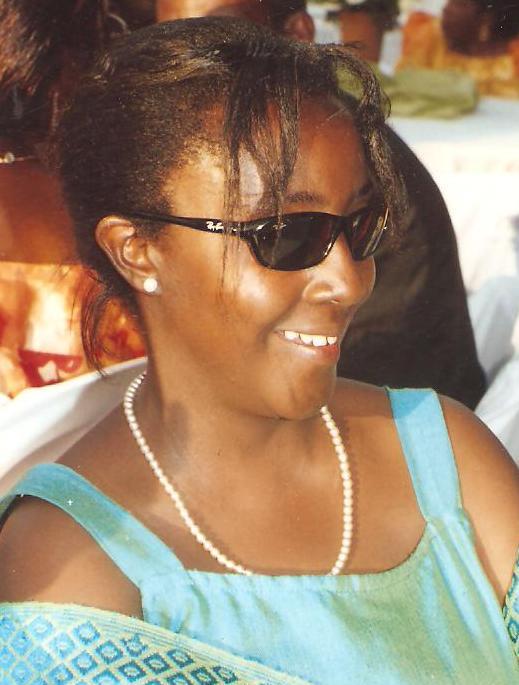
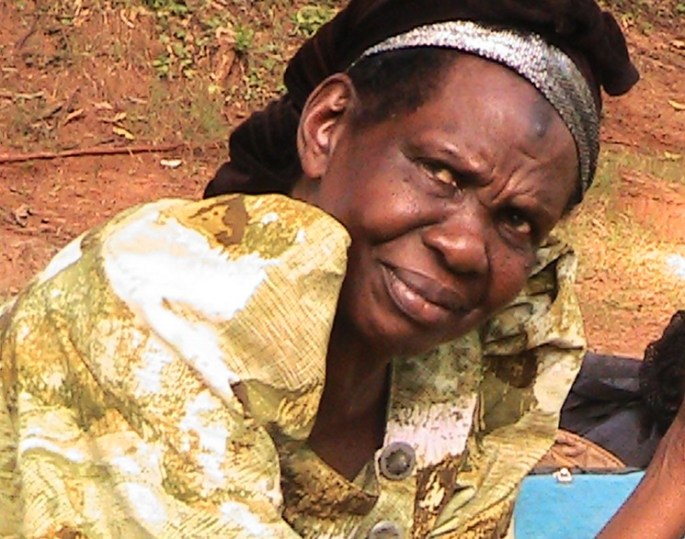
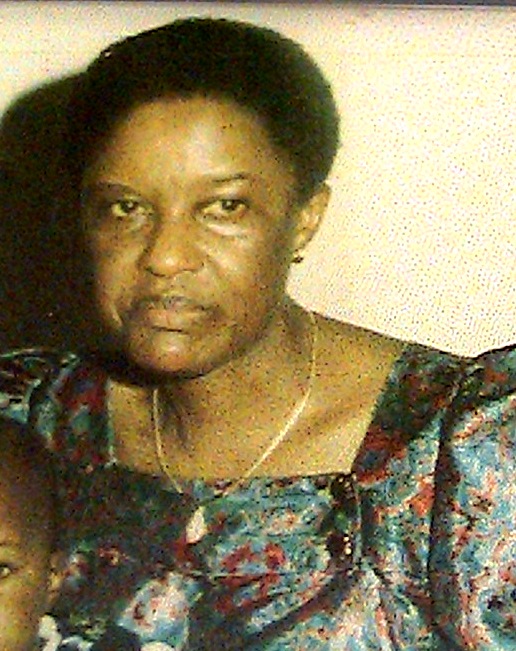
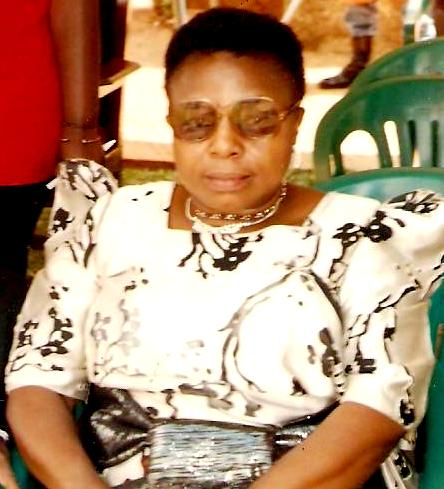
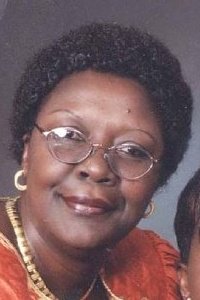
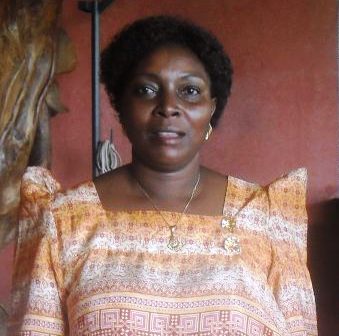
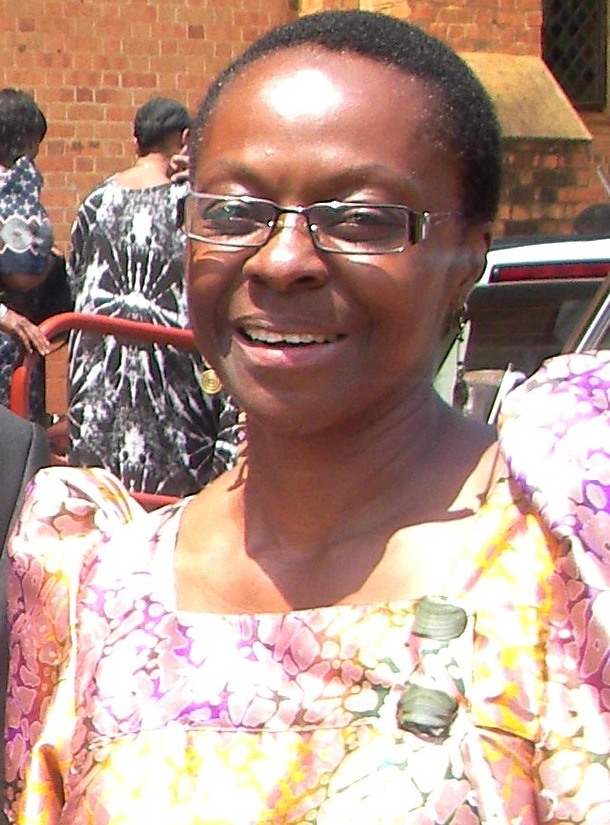
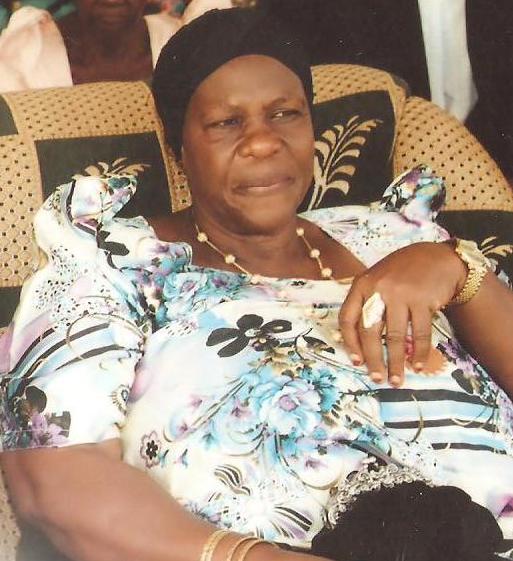
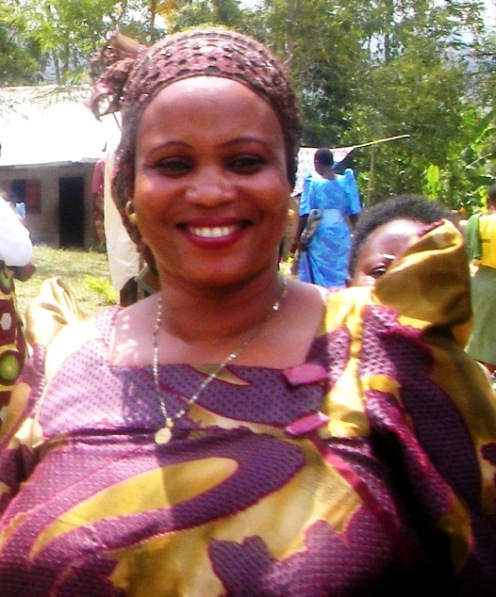
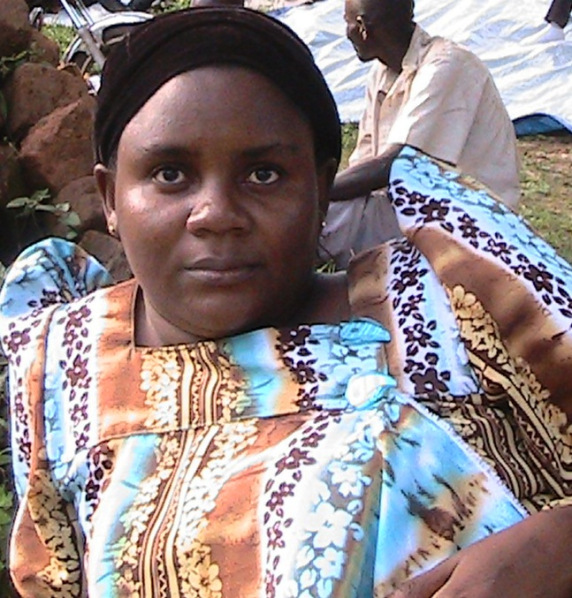
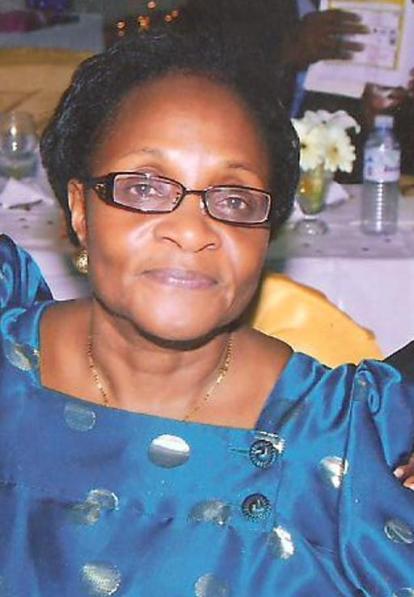
BA NALINYA
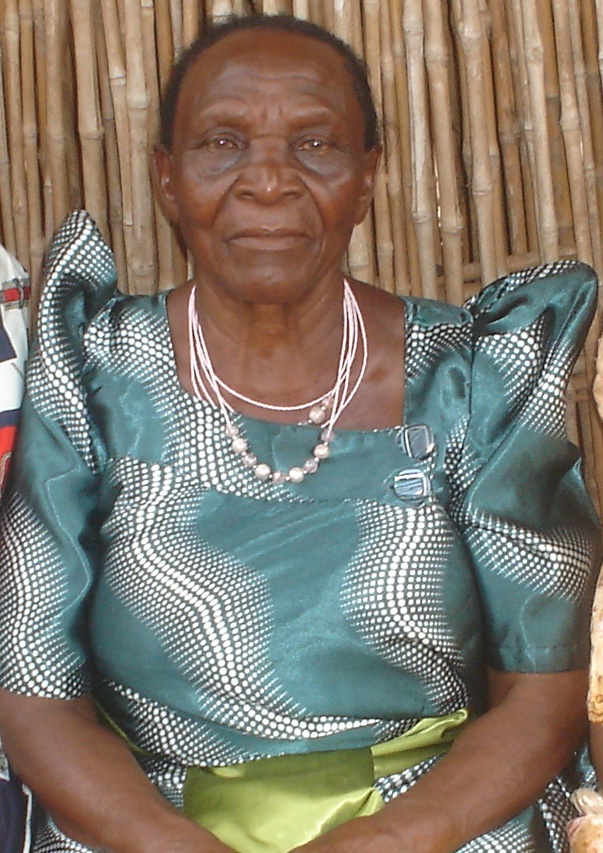
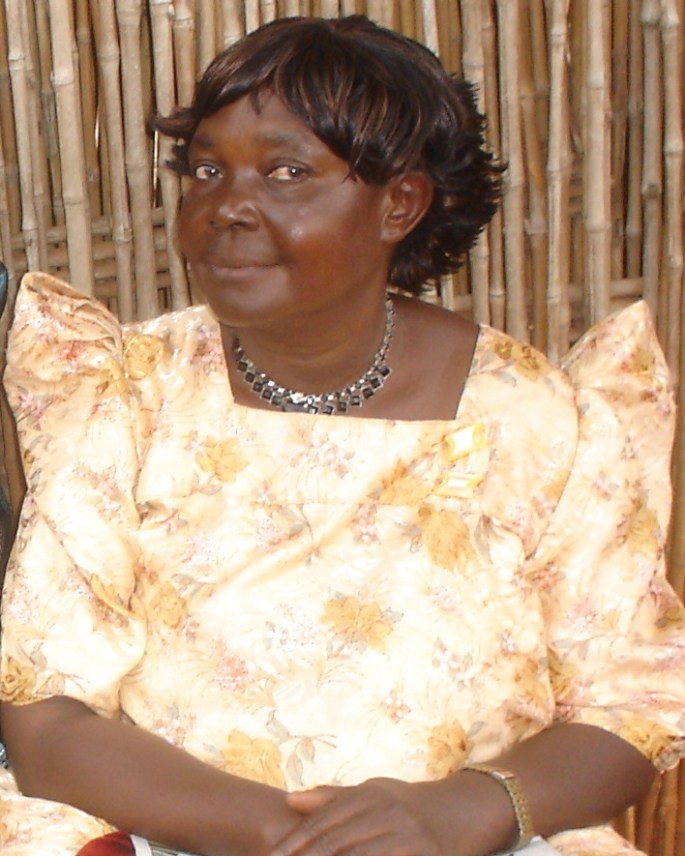
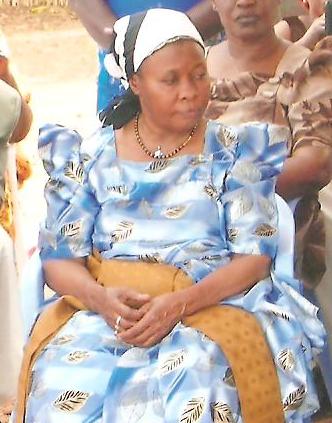
NAMASOLE
Because of the extraordinary feat and unusual good luck of giving birth to a king, the Namasole (the formal title for the king’s mother) was afforded very high respect and honor throughout the kingdom.
The Namasole was given a palace of her own to live in and various chiefs to serve her. In fact the head of her chiefs was also called a katikkiro.
This should not be confused with the king’s katikkiro who headed the kingdom’s government. Despite her numerous previledges however, the NAMASOLE HAD NO FORMAL ROLE IN THE GOVERNANCE OF THE KINGDOM.
In fact since Kimera’s time to that of Ssuuna II, the Namasole was not allowed to even set eyes on her son who had acceeded to the throne. One of the Namasole’s brothers, given the title MASIMBI would go to visit the king on Namasole’s behalf and return with news of the king’s health etc..
Another of the Namasole’s brothers, given the title SSAABAGANZI had the responsibility of consulting traditional doctors and oracles in all matters concerning the king’s health to help ensure his continued well-being.The Namasole was not allowed to remarry.
The theory was that they did not want the king to have to call another man (especially not a commoner!) his Daddy since one can ascend to the throne only when one’s Daddy is dead.
Also they did not want the king to have brothers who were not of the royal lineage which would tend to confuse future successions. Hence the saying “Kabaka taddwaako mukopi” – meaning that the king cannot have a commoner for a sibling.
Mutesa II was the first king to dispense with this custom when he gave permission for his mother to remarry. Even then, this led to considerable uproar in the kingdom.
To quel this, the official duties of the Namasole were transferred from Lady Namaganda to her older sister, Perepetwa Nnaabaweesi.
IF YOU WANT TO CONTACT SSABALANGIRA ON ANY ISSUE KINDLY BOOK AN APPOINTMENT BY FILLING IN THE FORM BELOW


OLULYO ACTIVITATIONS
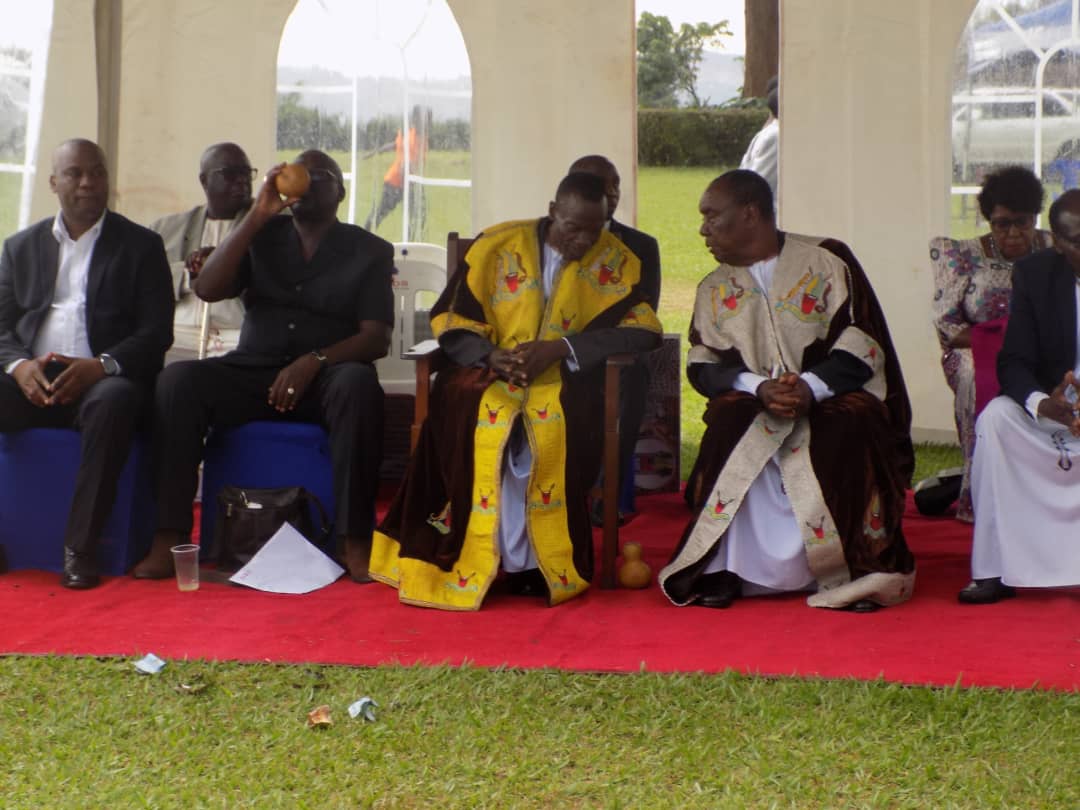
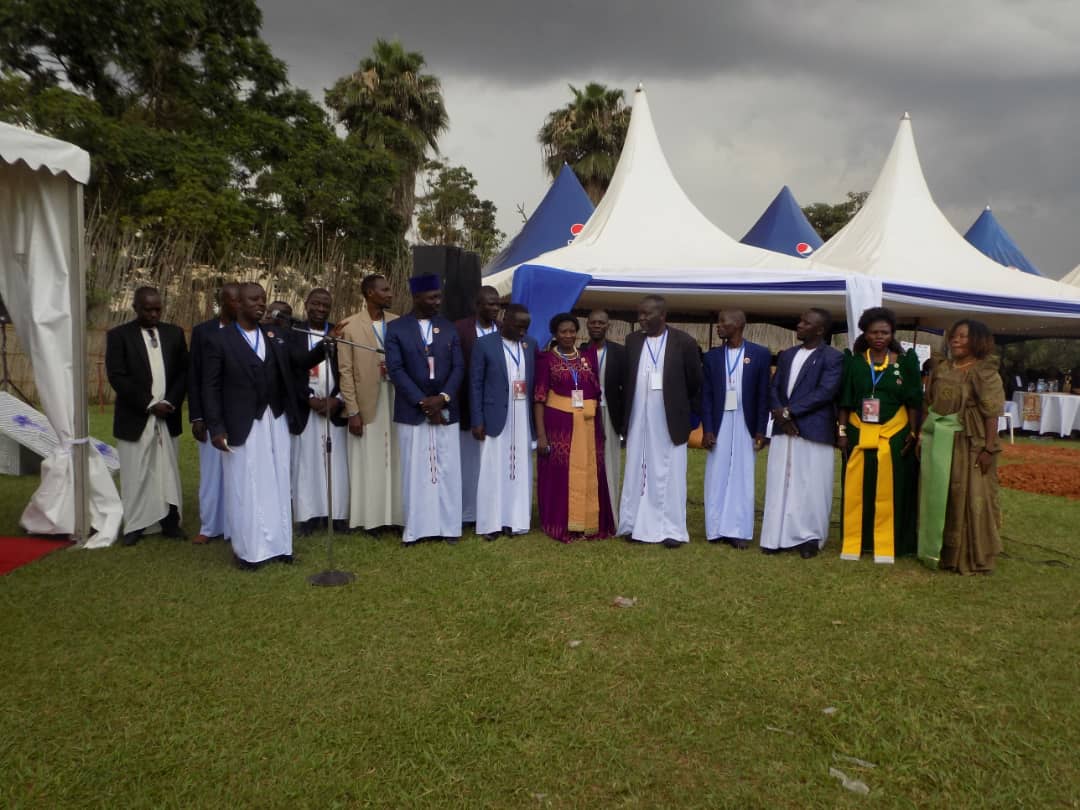
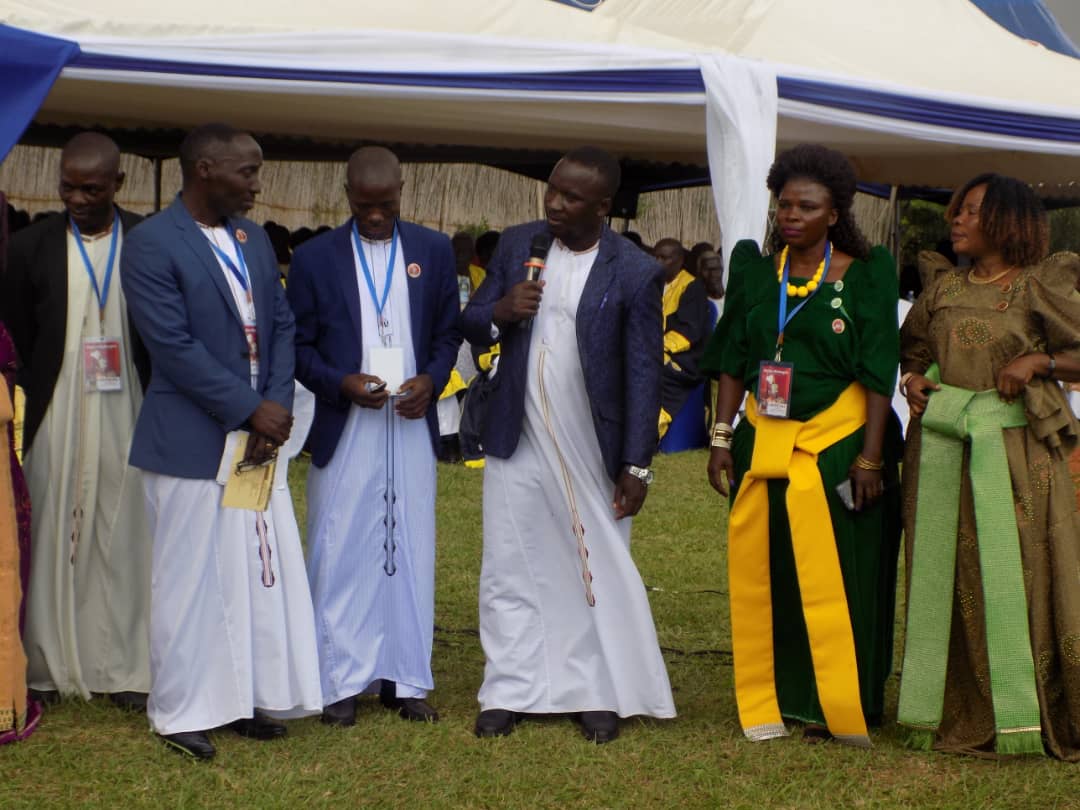
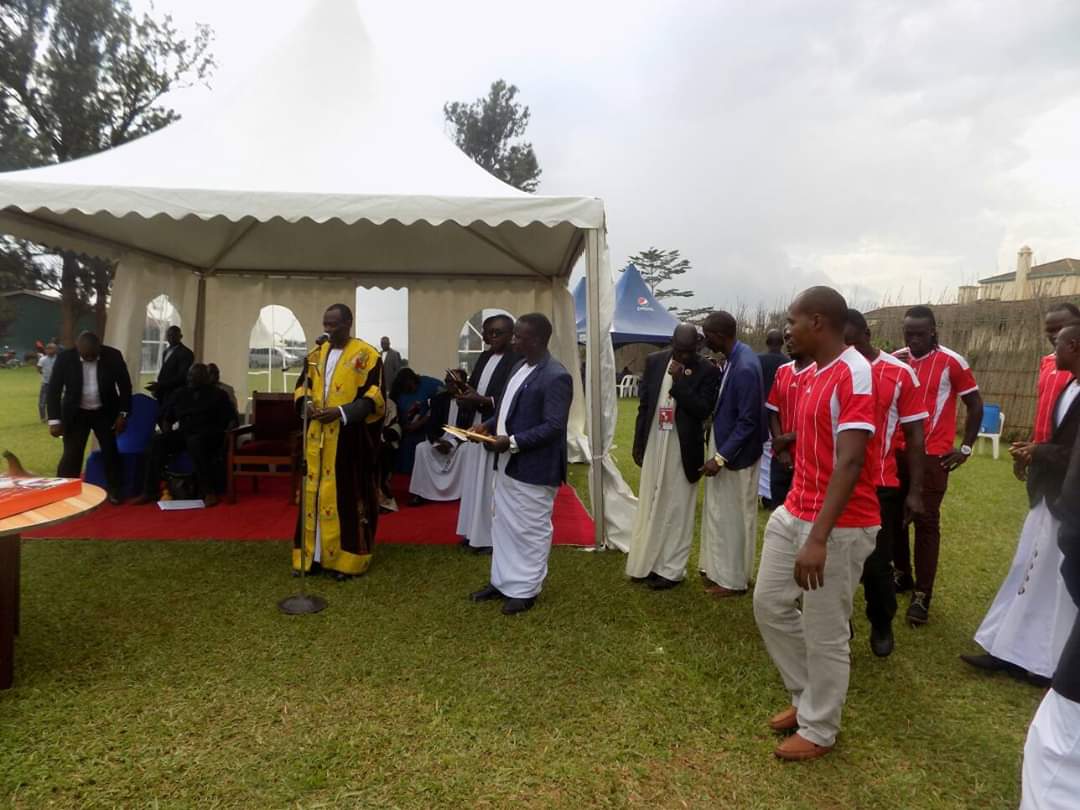
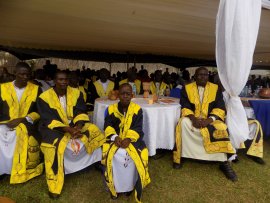
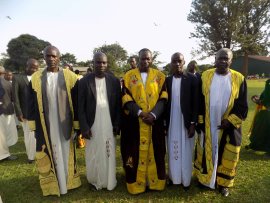
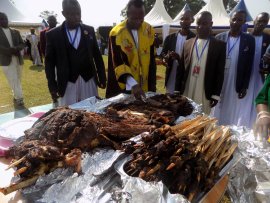
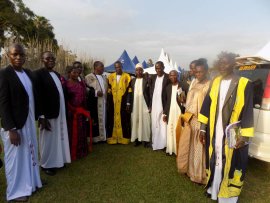
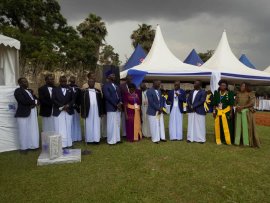
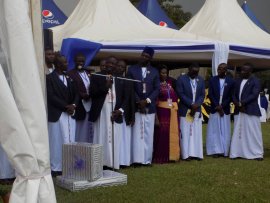
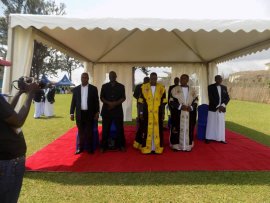
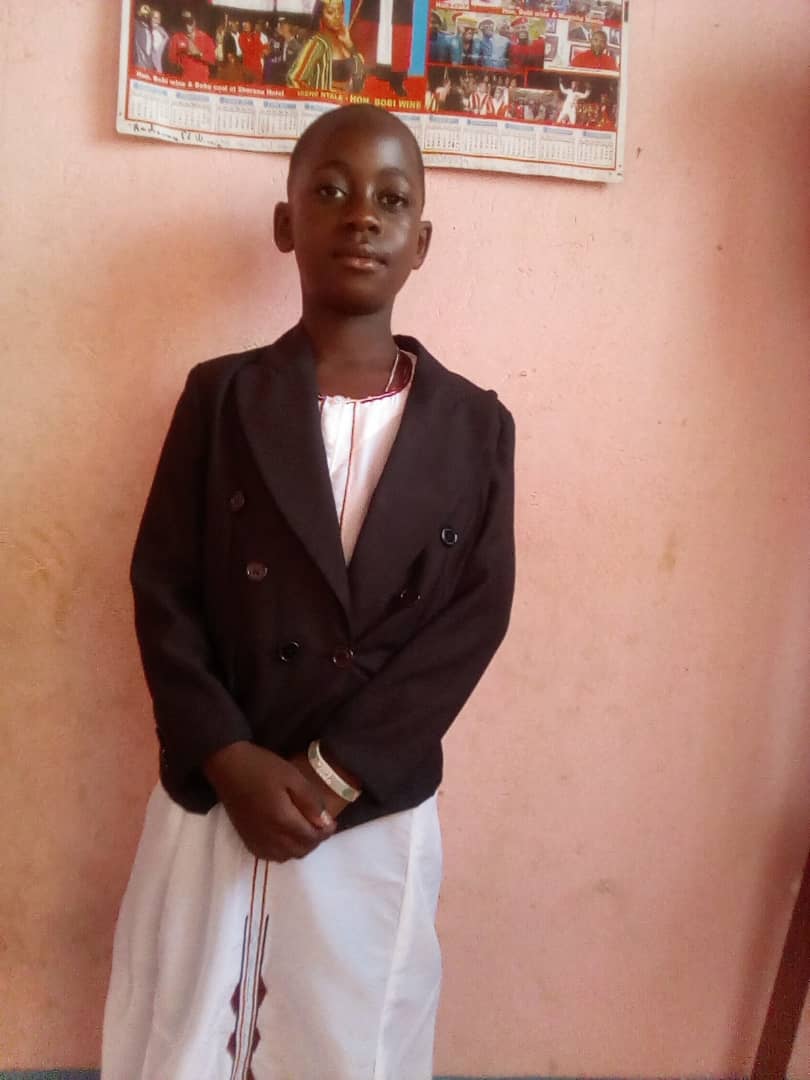
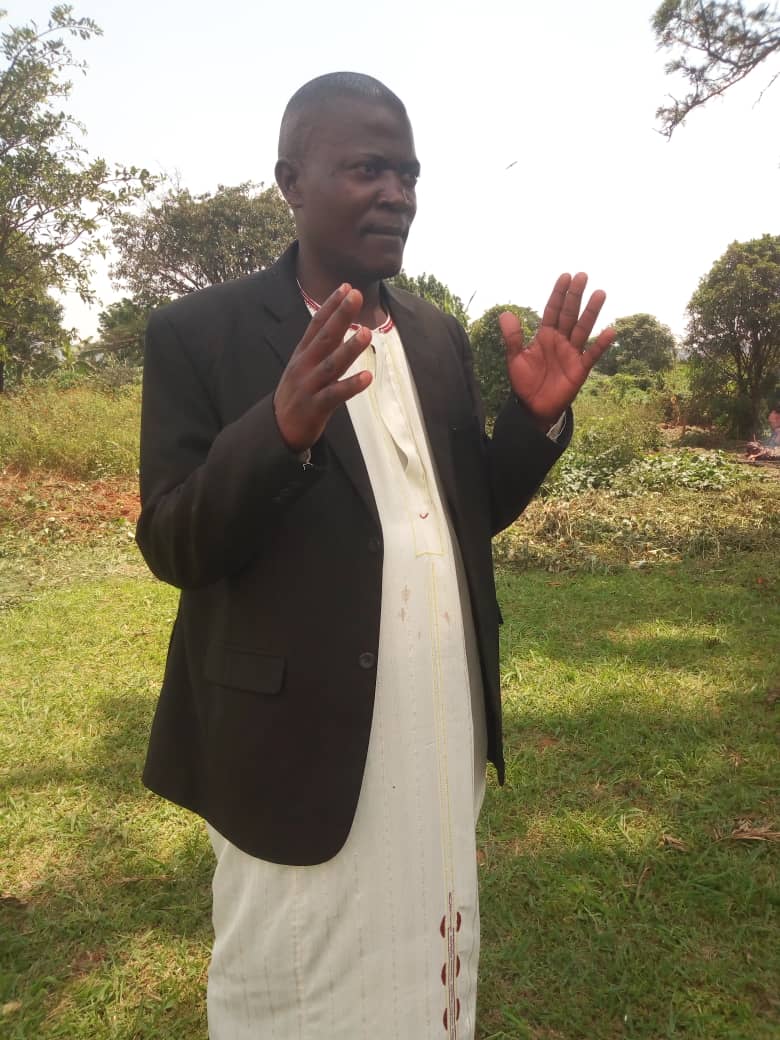
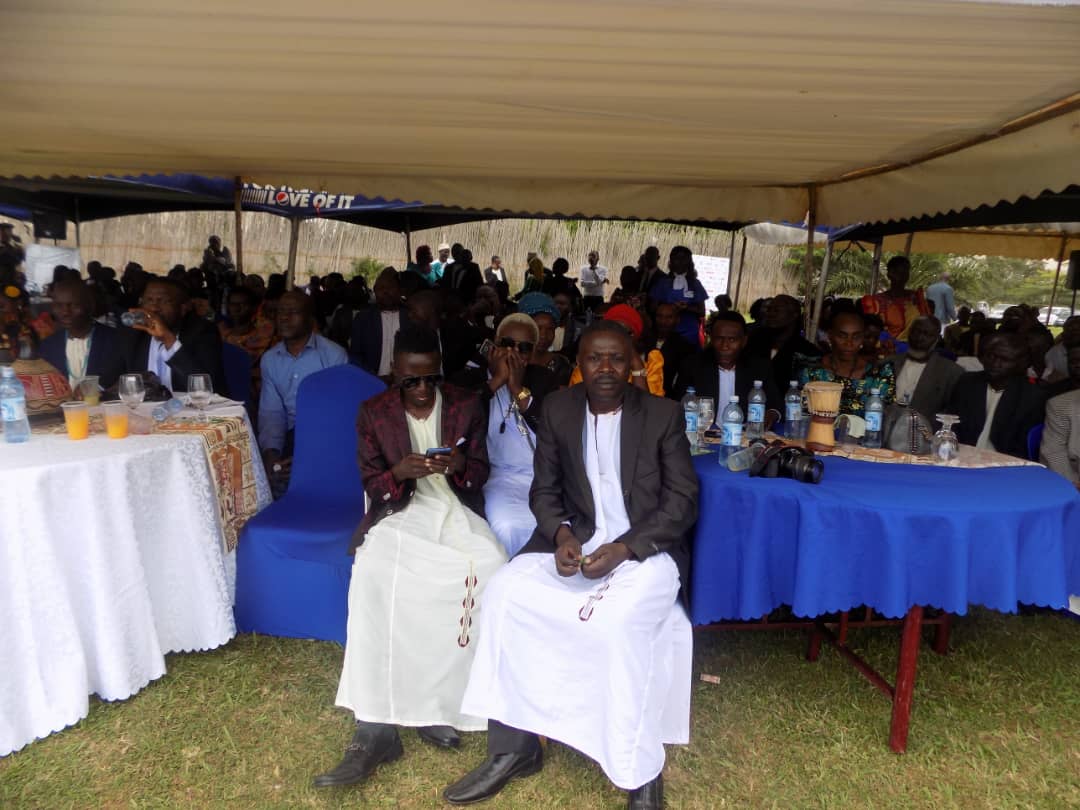
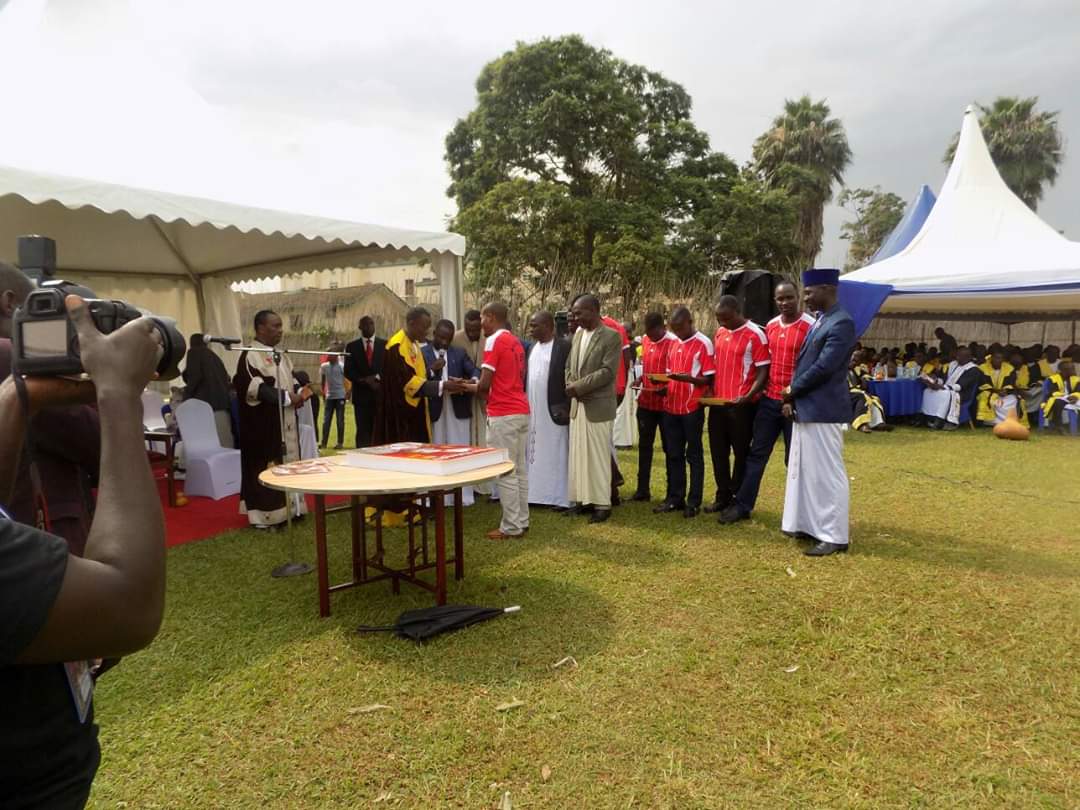
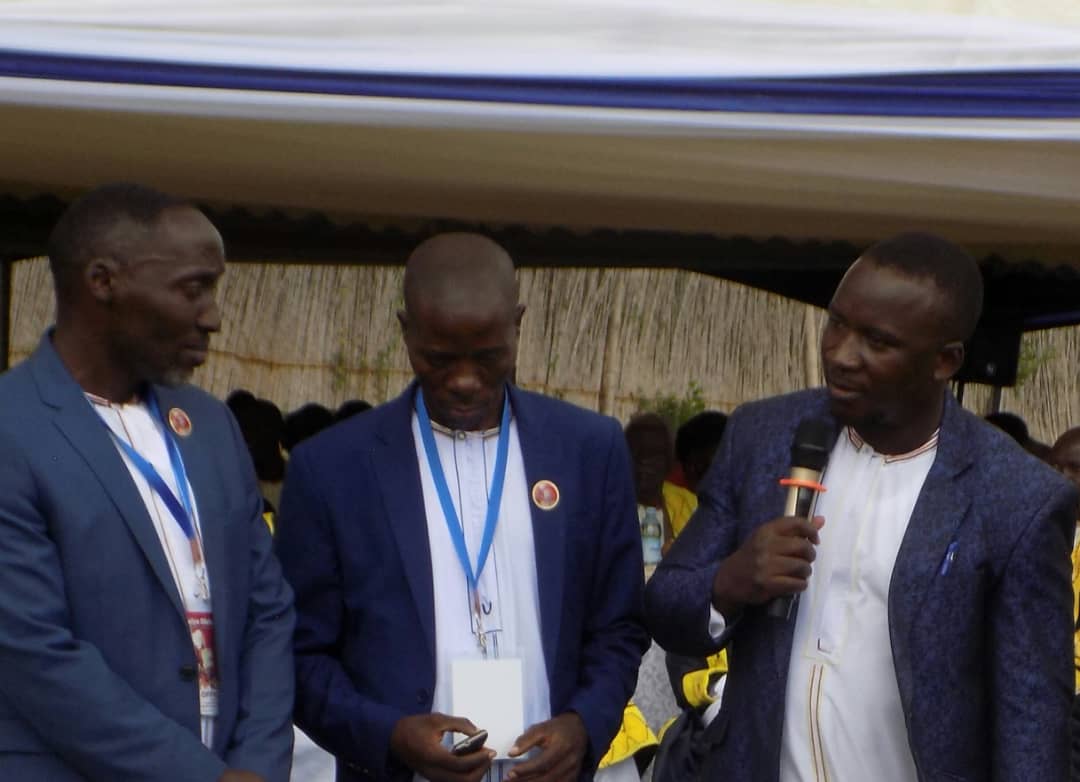
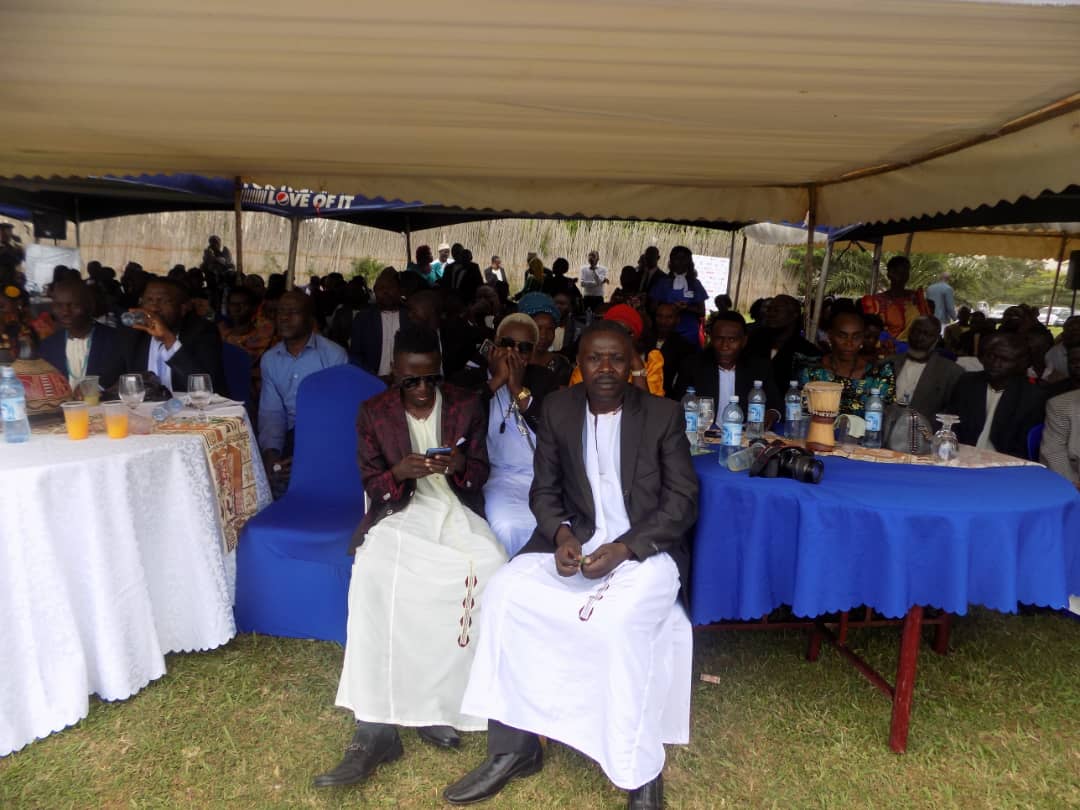
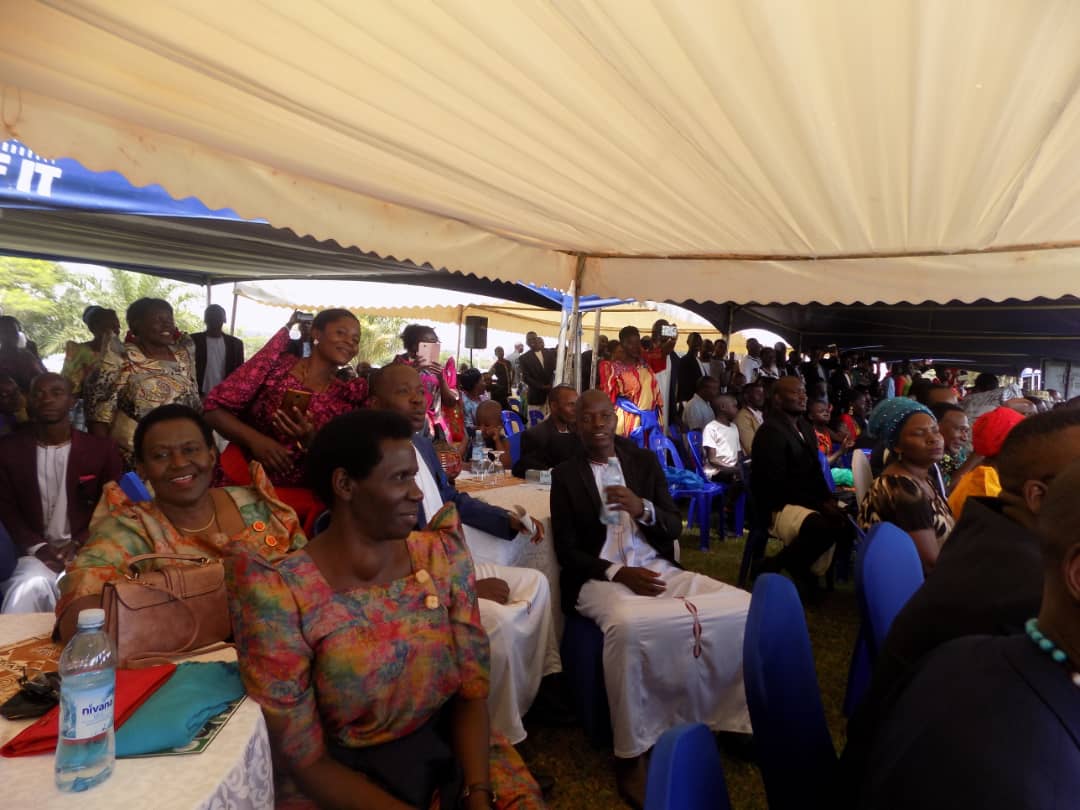
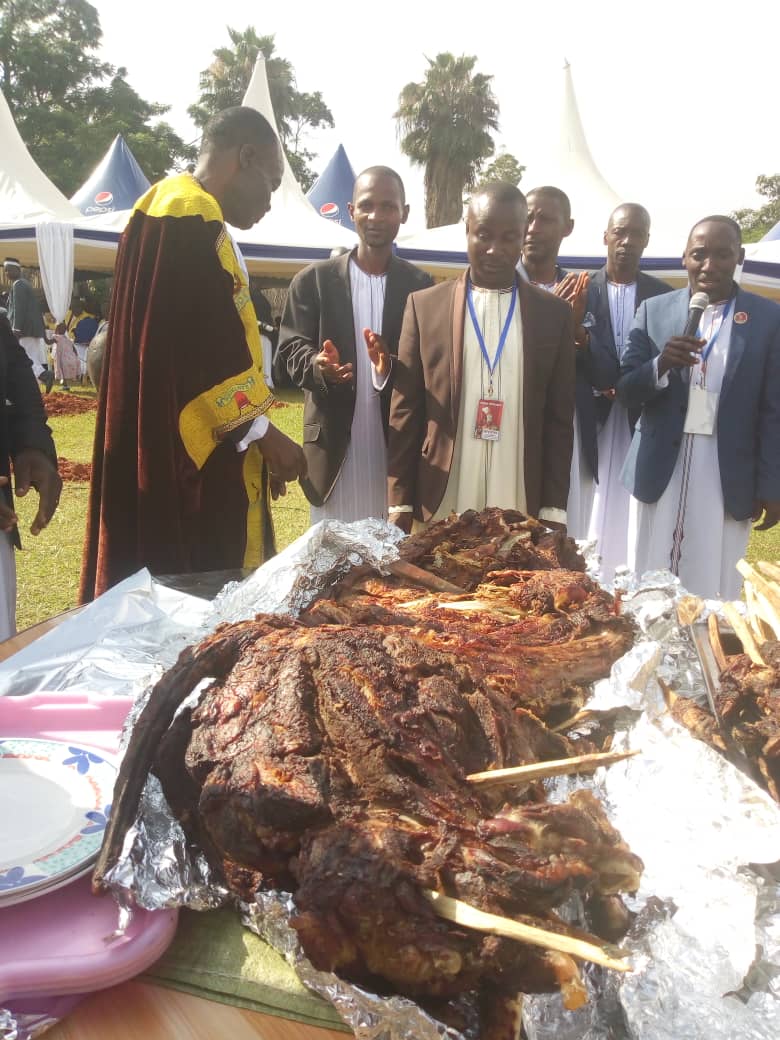
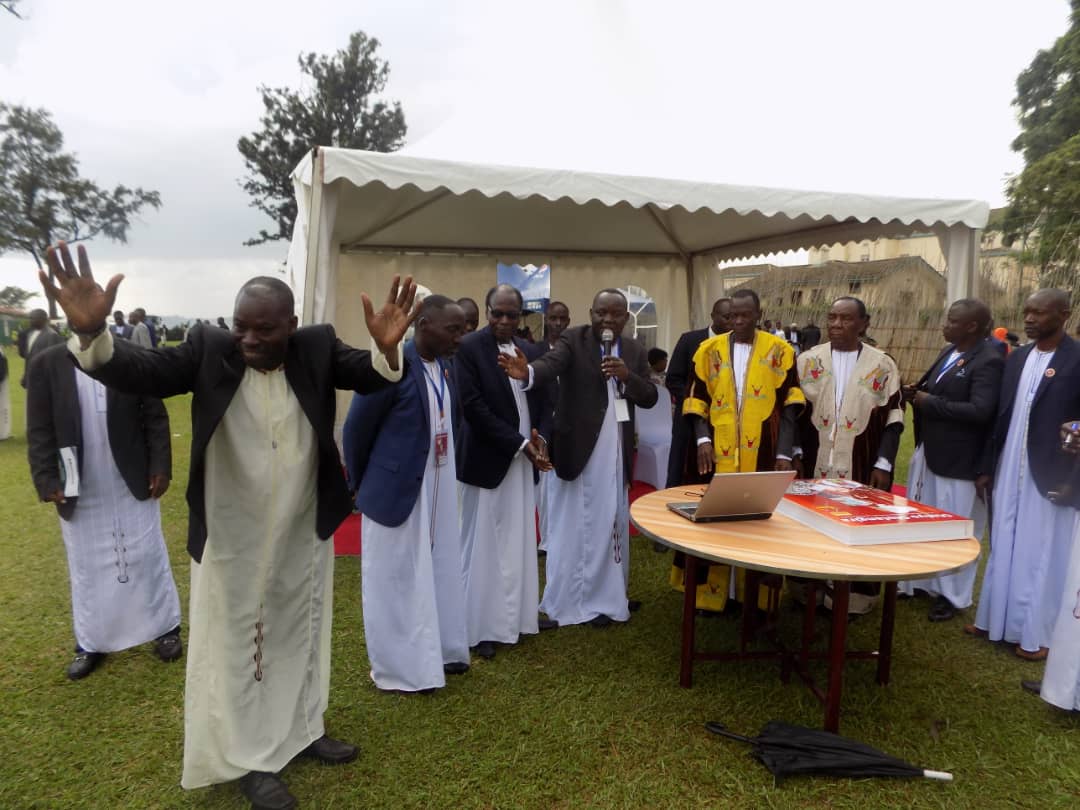
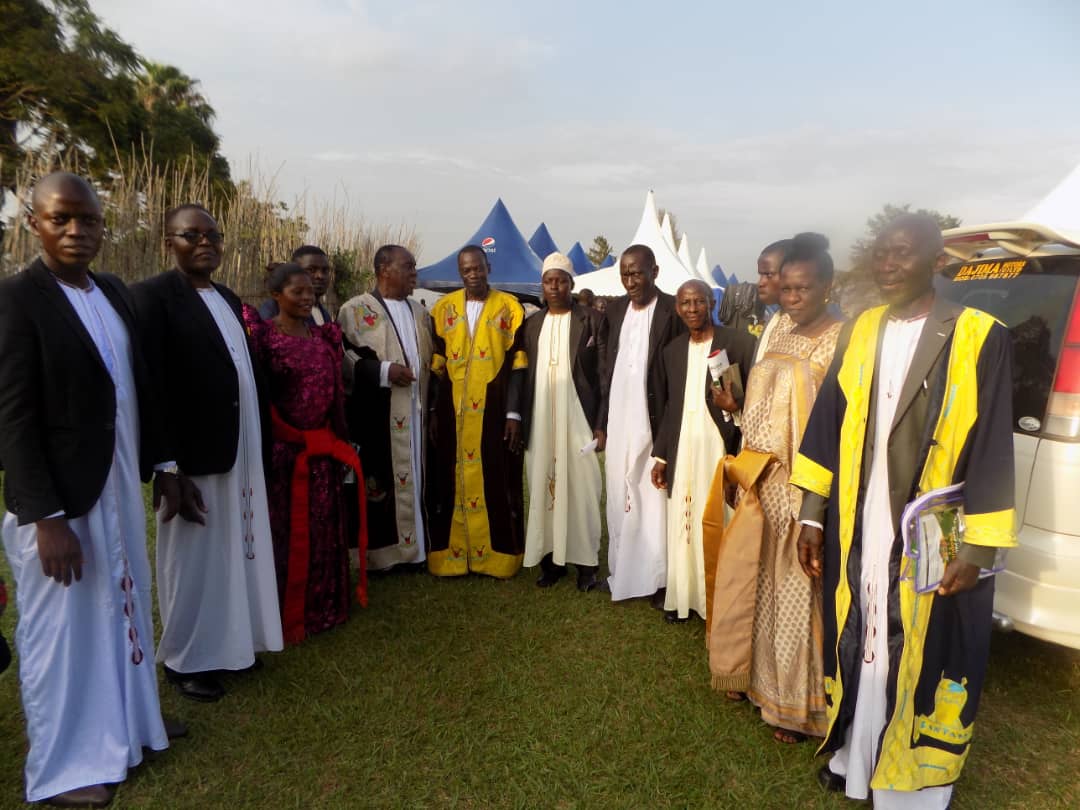
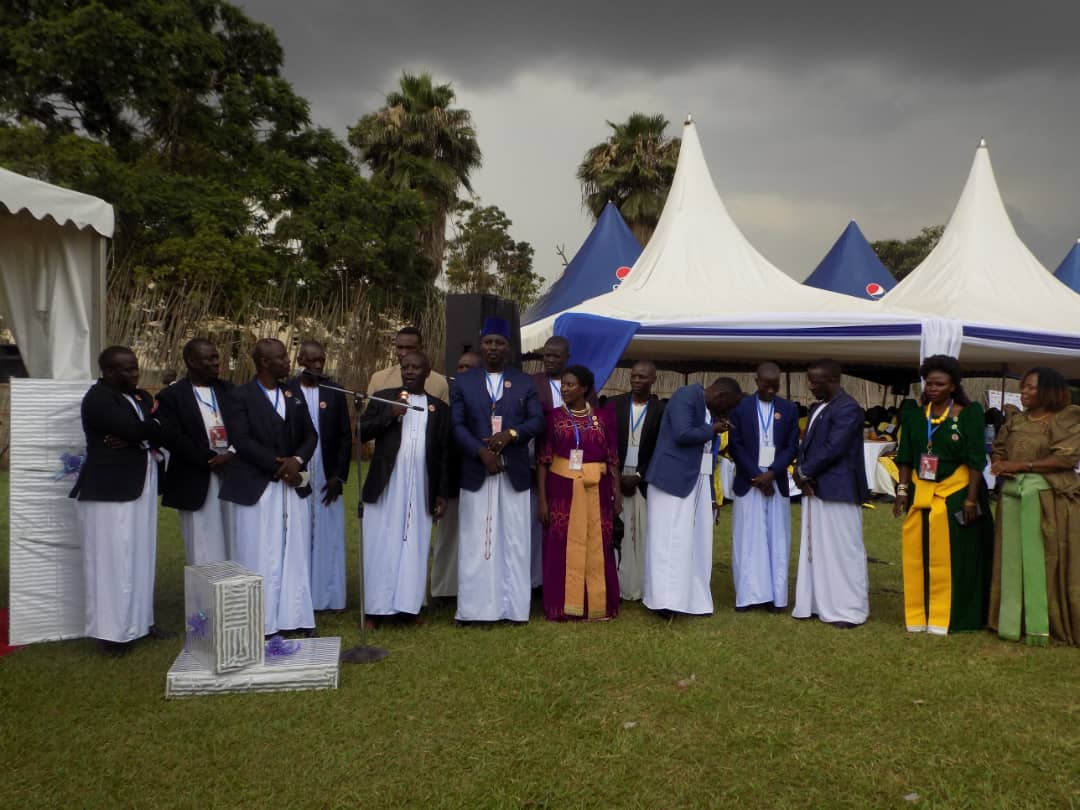
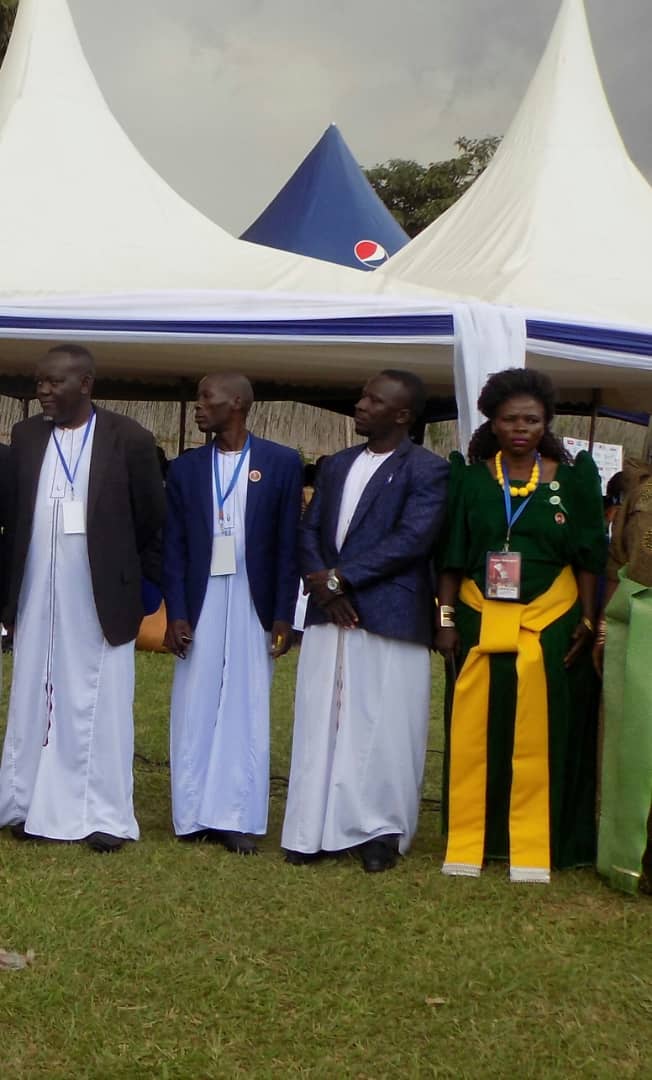
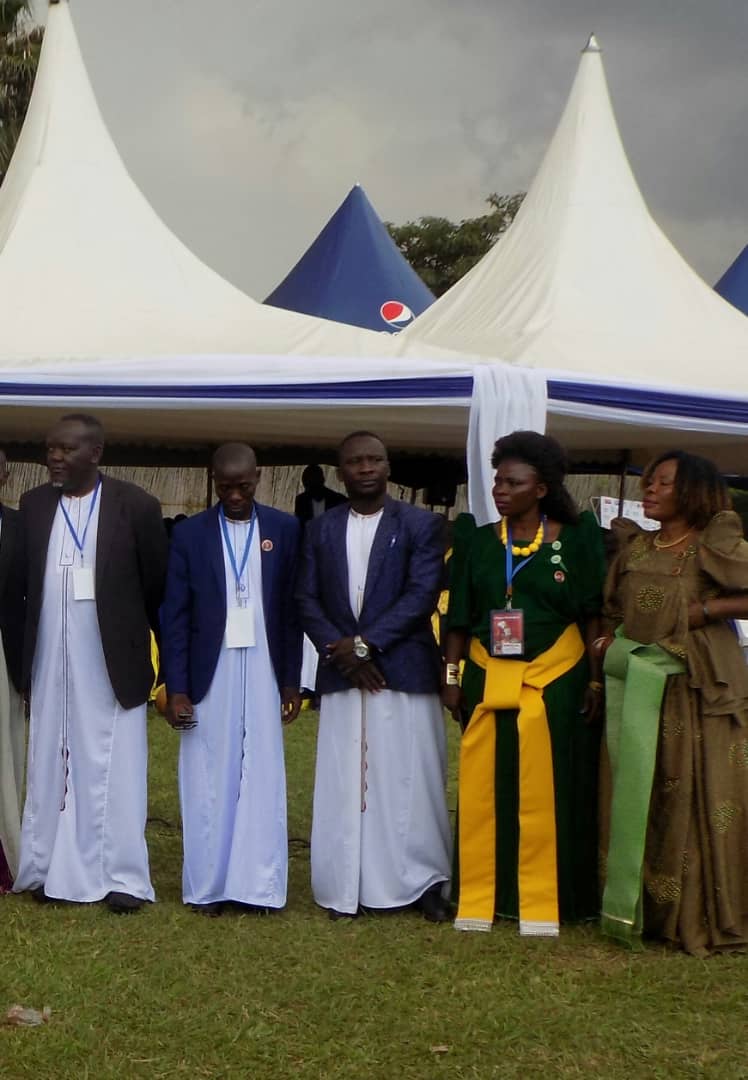
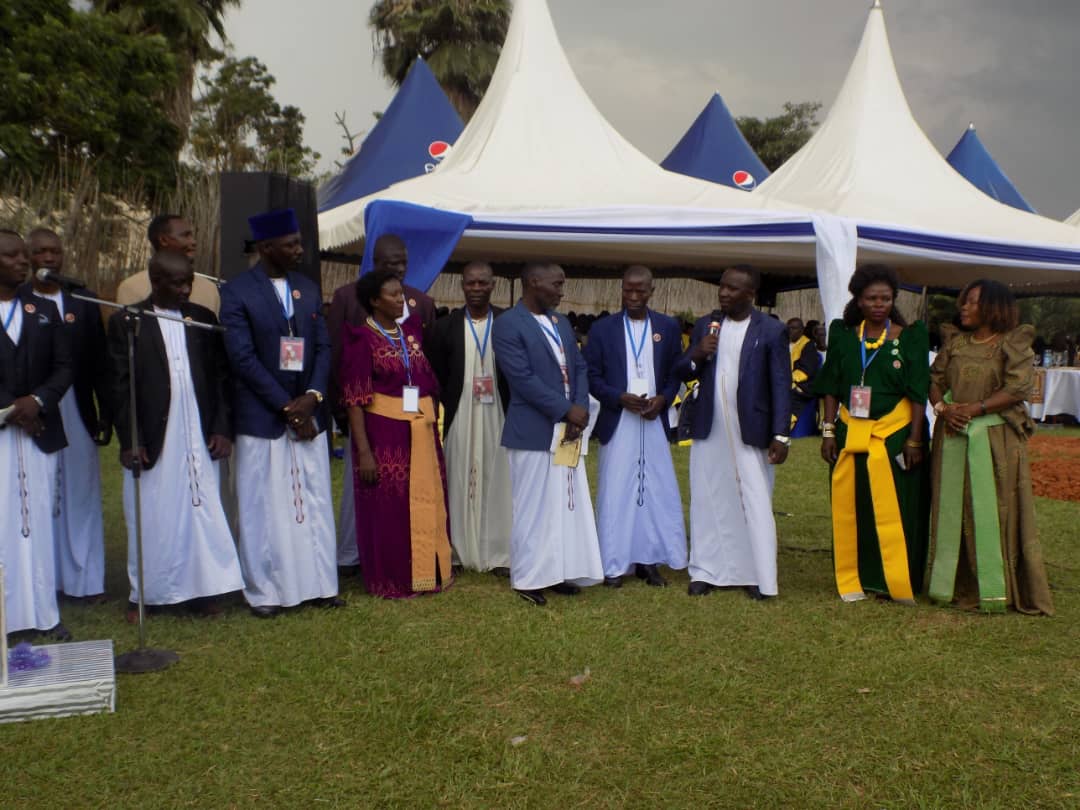
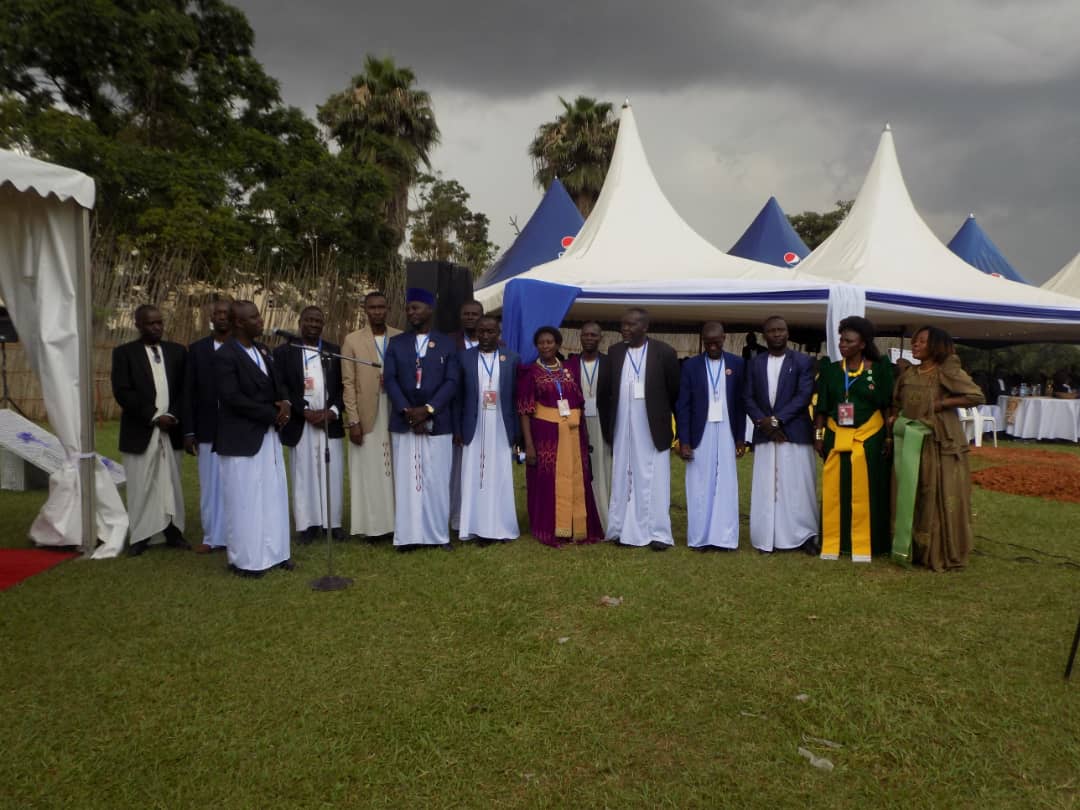
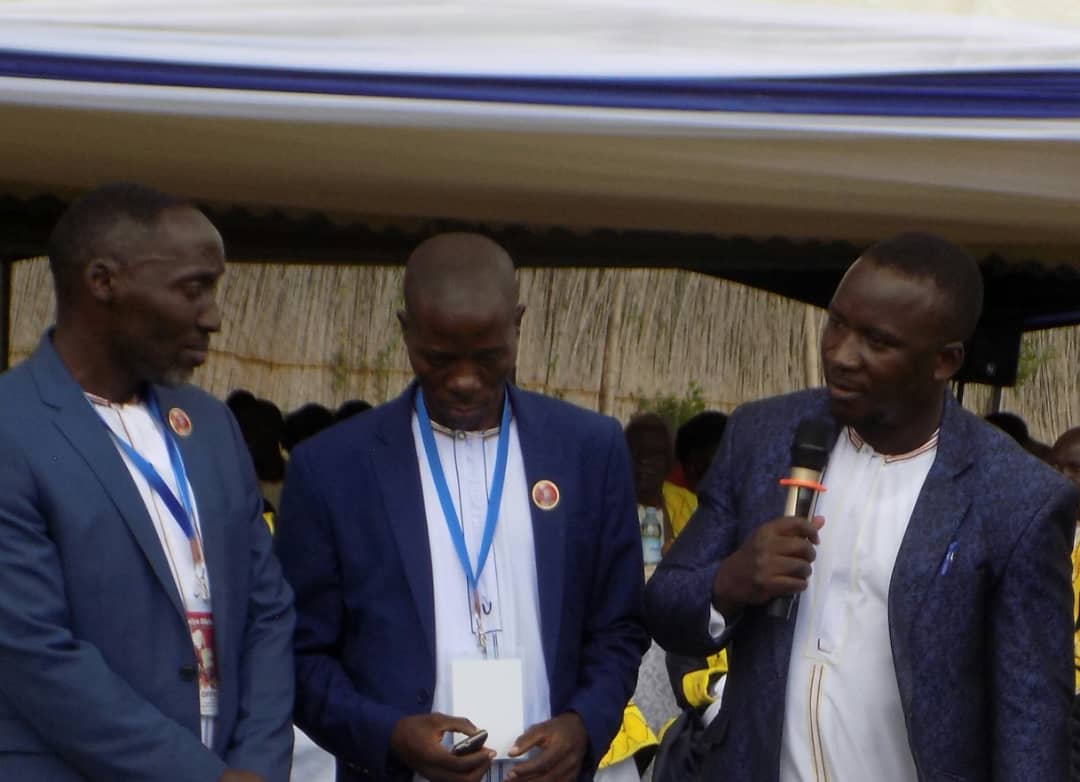
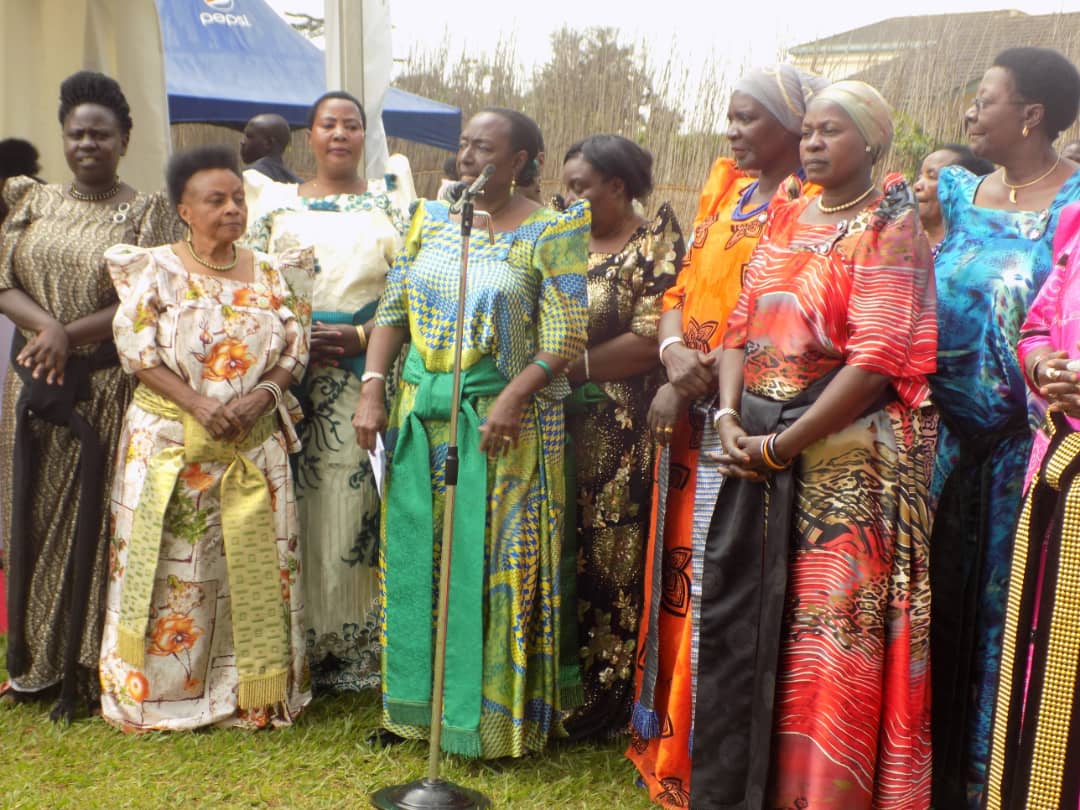
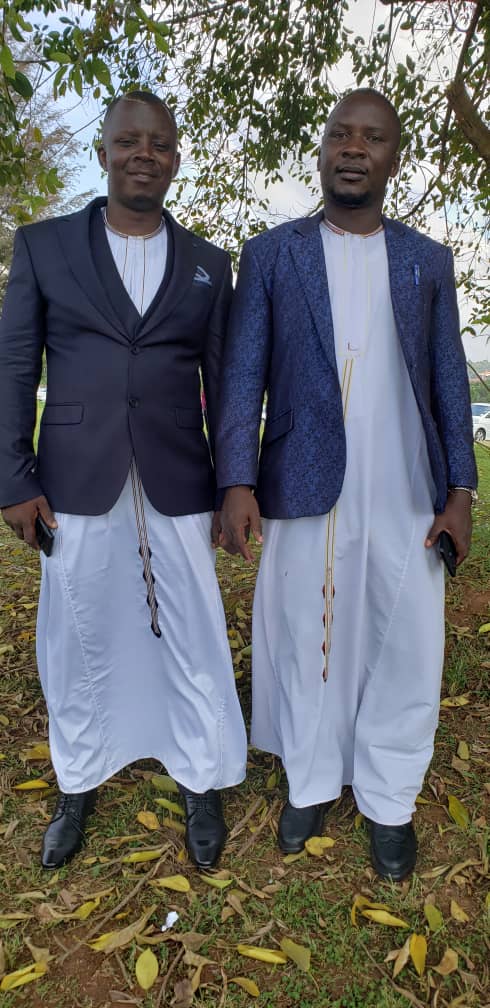
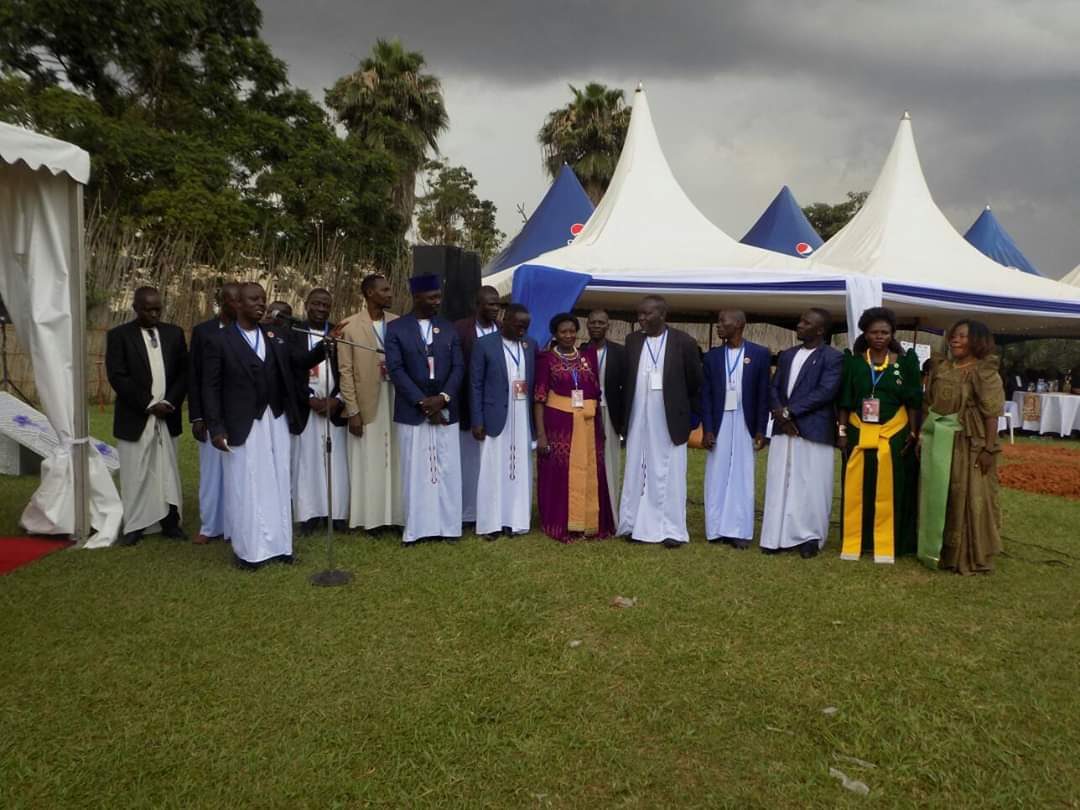
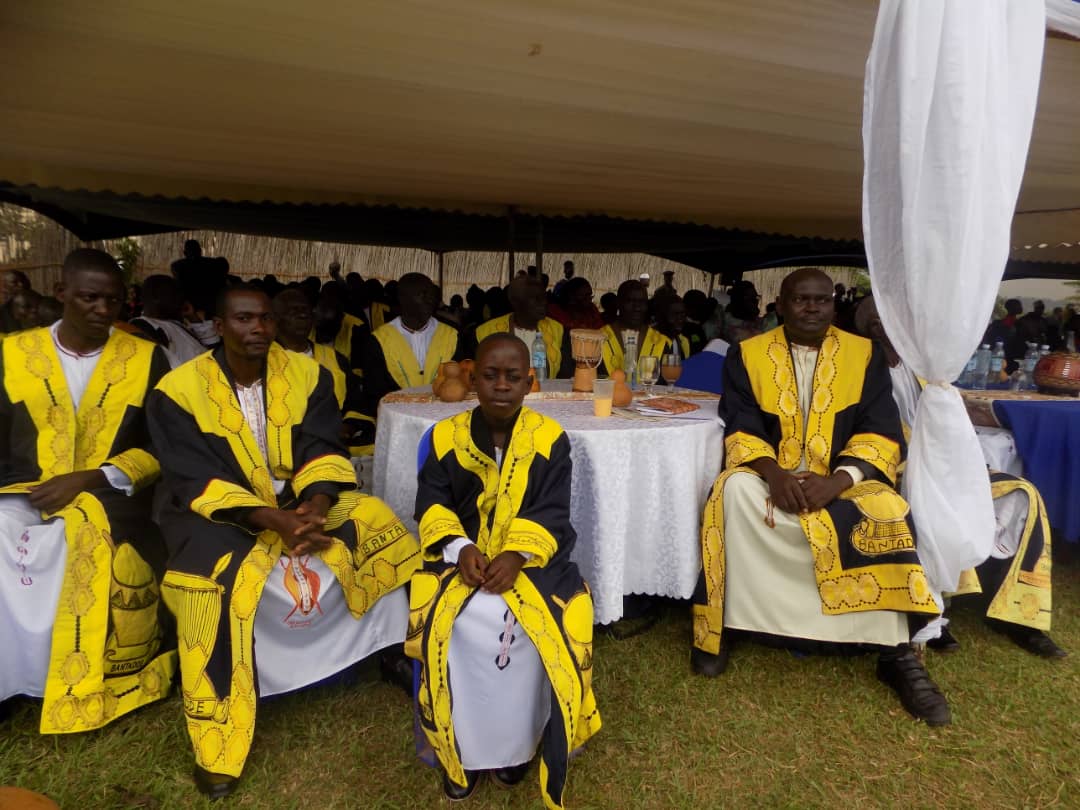
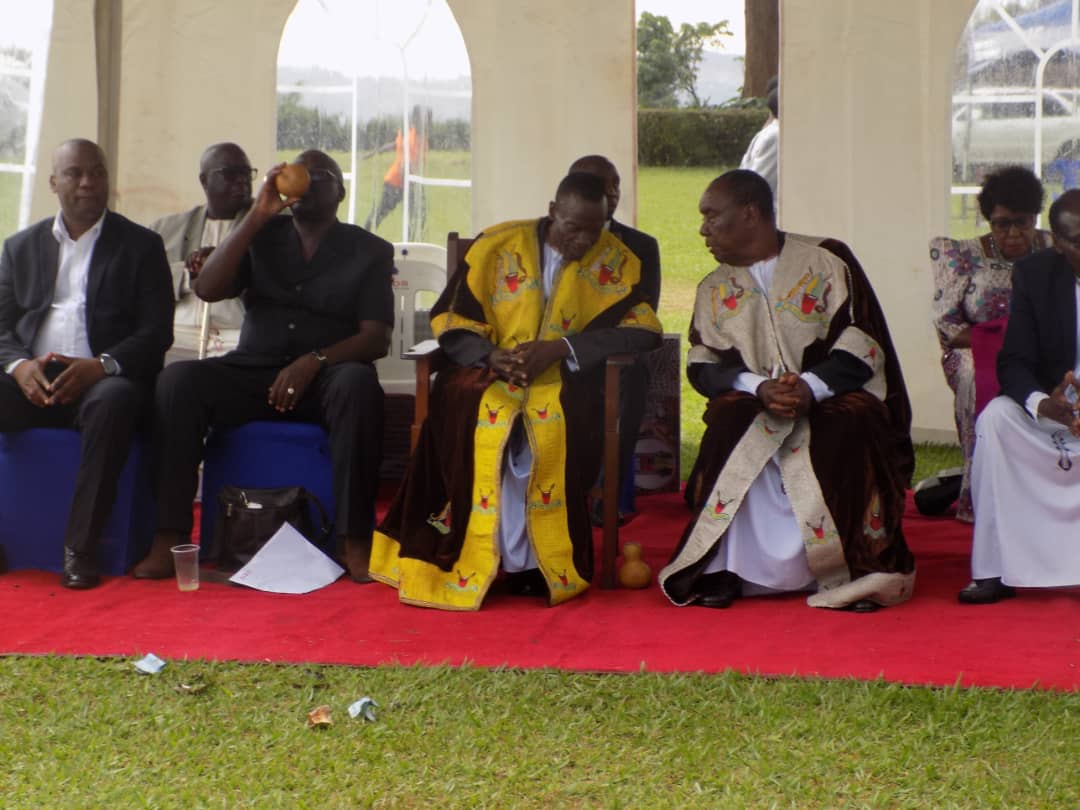
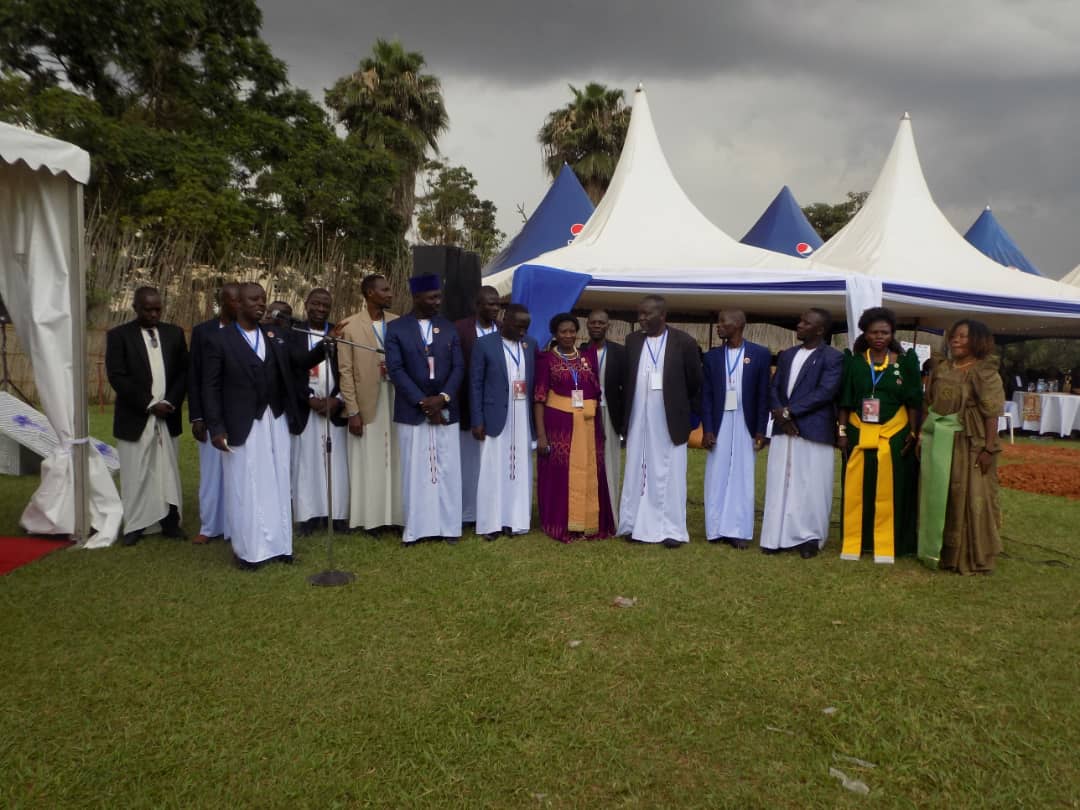
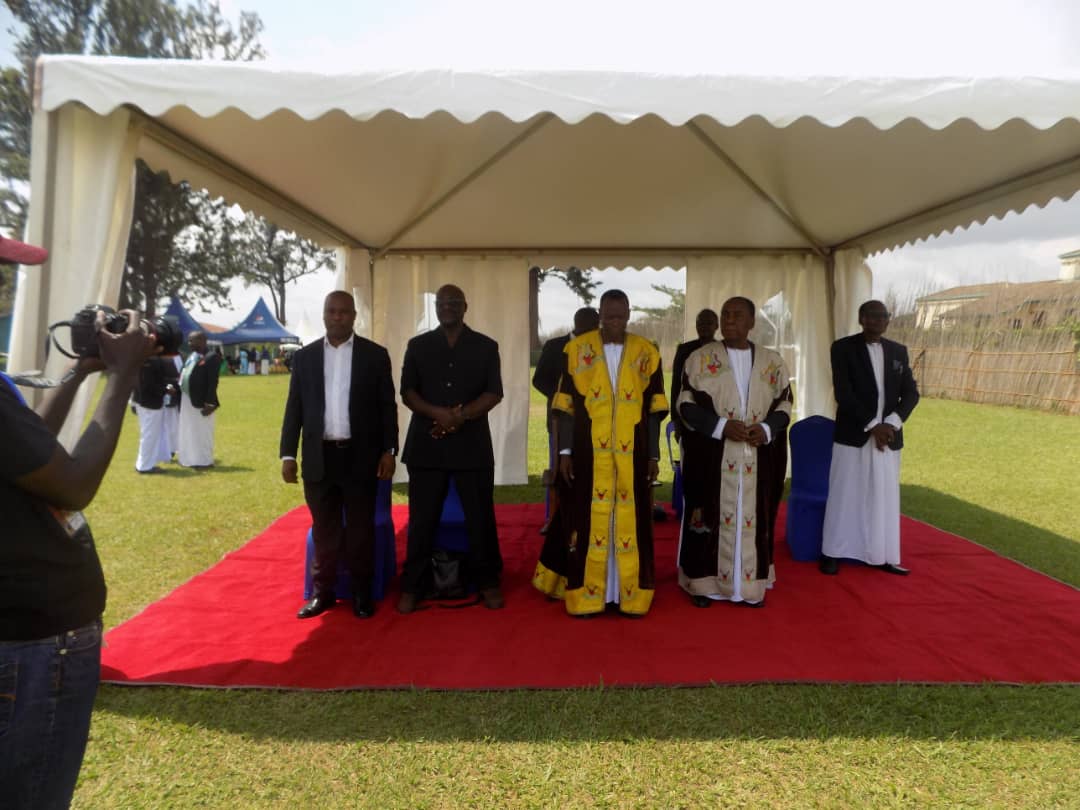
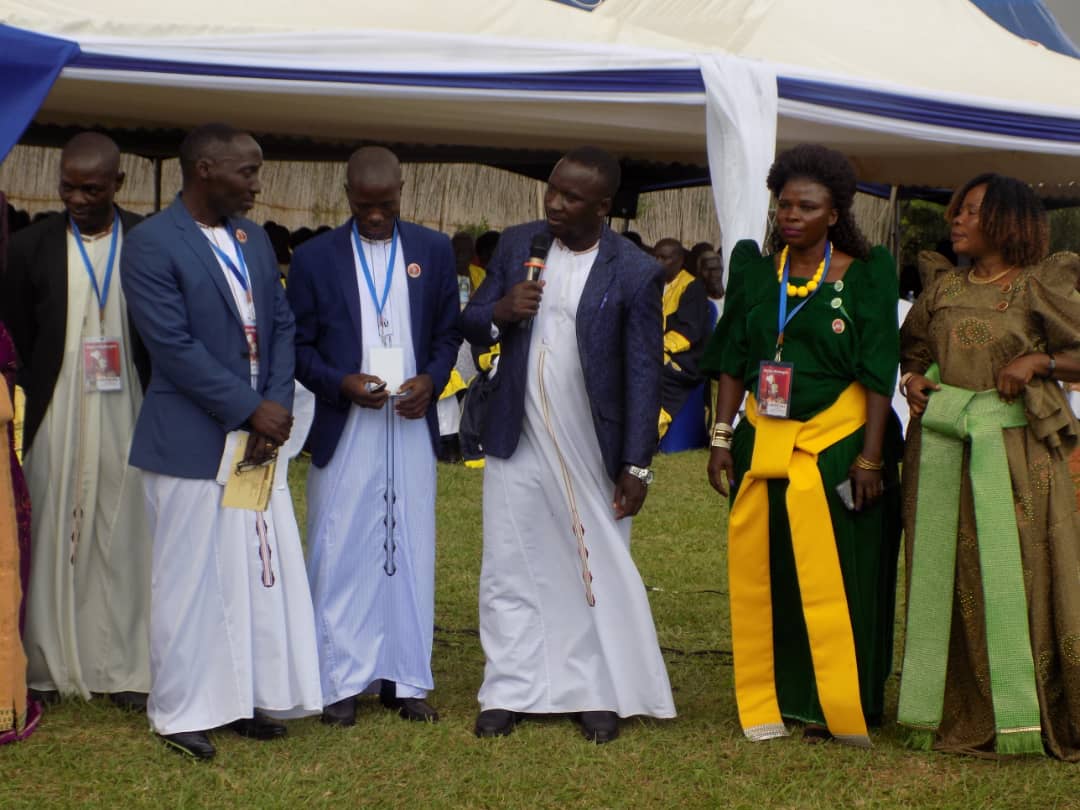
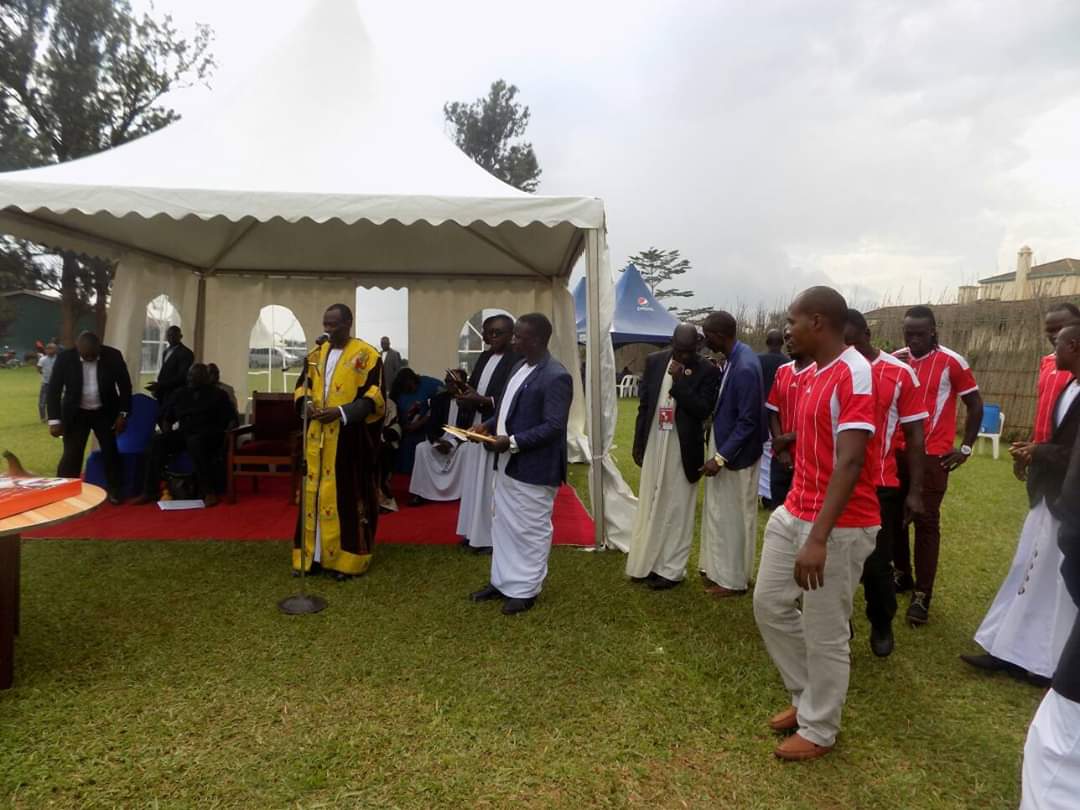
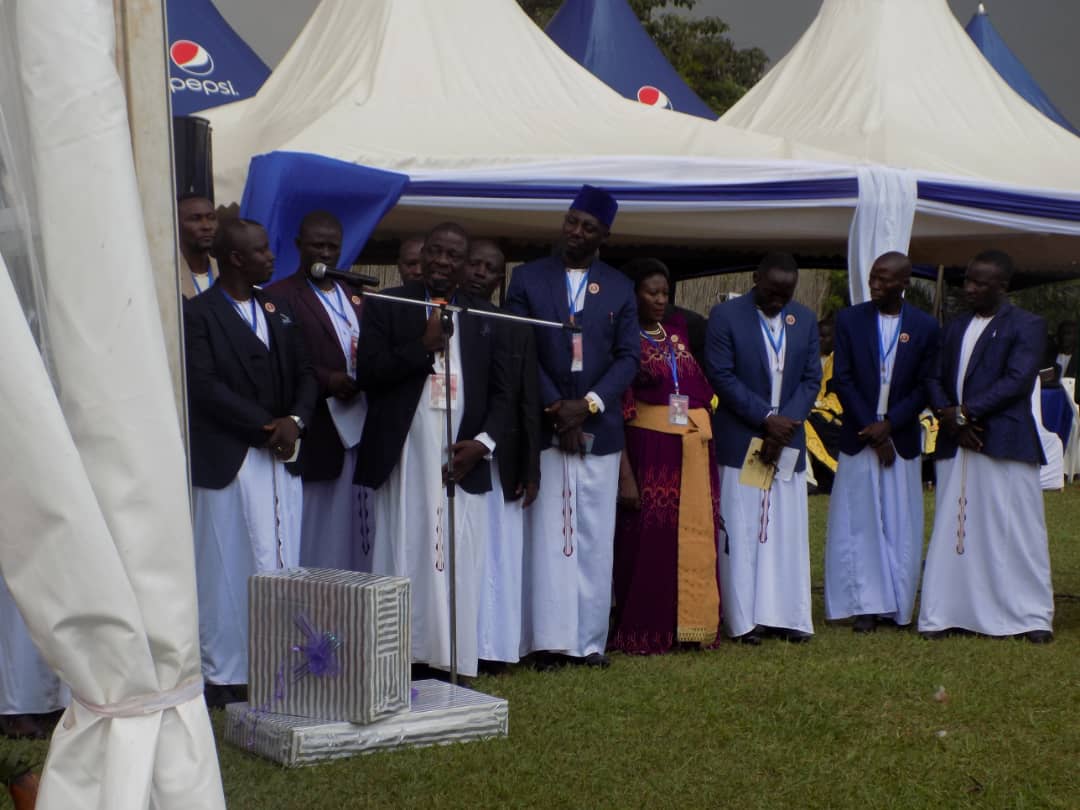
OKUMANYIGANA THE ROYAL CLAN MEET IN JAN 18TH,2020 AT LUBIRI MENGO
Activities included the Ssabalabgira launching of the website,www.olulyoolangira.org NOW http://www.olulyoolulangira.com.The Ssabalabgira also launched the first official Royal magazine.

 OLULYO OLULANGIRA ONLINE