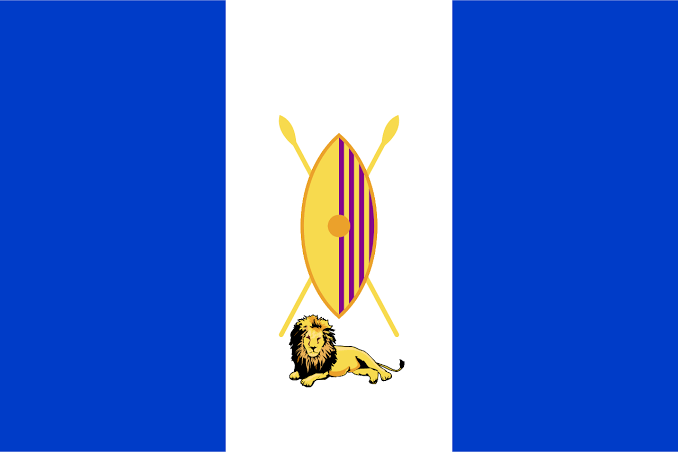
THE BUGANDA CABINET



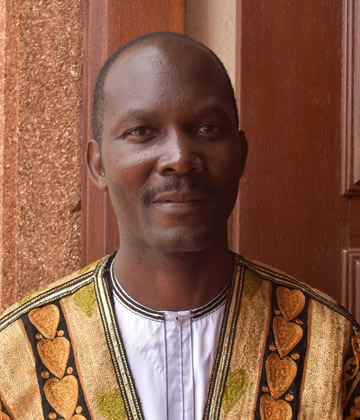

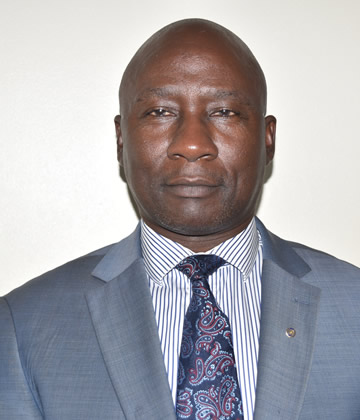
OWEK.HENRY SSEKABEMBE

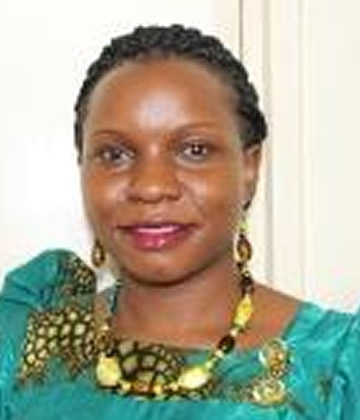
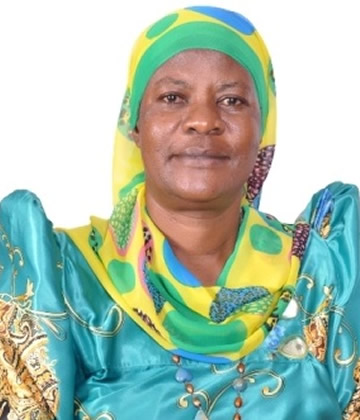
OWEK.NANKINDU KAVUMA
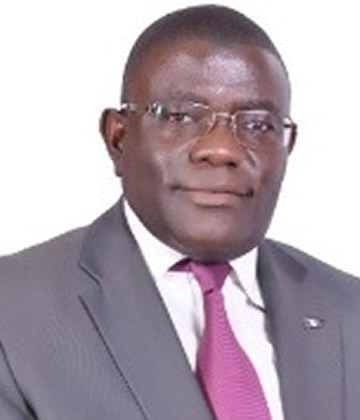
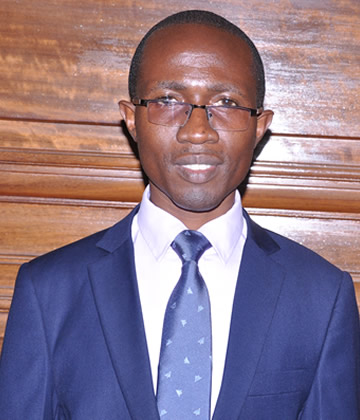
KAWUKI JOSEPH
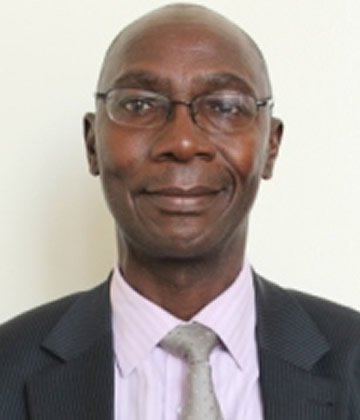
OWEK.HAMIS KAKOMO

OWEK.DAVID MPANGA

GLOSSARY OF TERMS
Abalangira: male member of the royal clan.
Abambejja: female member of the royal clan.
Baganda: the people of Buganda.
Bakopi: commoner.
Bataka: chief of a clan.
Batongole: Men of the King.
Gombolola: Sub-County.
Kabaka: King.
Kabaka Yekka: “the Kabaka only”, the political party formed by Sir Edward Mutessa II in 1962.
Kangawo: the title of the county chief of Bulemezi.
Kattikiro: Prime Minister.
Kimbugwe: bearer of the Royal umbilical cord.
Kiweewa: title given to the King’s first son.
Kubbula: Kiganda custom consisting in giving the name of a favorite relative to a child.
Lubiri: the Royal compound, palace enclosure.
Lubuga: ‘mother substitute’, second in rank to the Naalinya.
Luganda: the language of Buganda.
Lukwago: the Kabaka’s umbilical cord.
Muganda: a person from Buganda.
Mugema: the title of the head of the monkey clan, responsible for buring of dead kings. Also styled Katikiro w’abafu or Prime Minister of the dead.
Mulangira: a descendant of the Royal clan, noble.
Muluka: the most junior administrative unit of the kingdom, composed of a group of villages.
Naalinya: Princess Royal, usually a full sister of the Kabaka, who enjoys the status of first lady of the kingdom during her brother’s reign.
Nagaddya: the midwife to Royal wives, usually a metrnal relative of the Kabaka.
Nalongo: mother of twins.
Namasole: title of the King’s mother.
Olukiko: meeting.
Olukiiko Olukulu: ‘the great meeting’, i.e. Parliament.
Olulyo Olulangira: the royal clan.
Omukungu: Member of the Order of the Shield and Spears (MSS).
Omulangira, i.e. Prince.
Omumbejja: Princess.
Omutongole: Officer of the Order of the Shield and Spears (OSS).
Omwami: chief, i.e. not King as in Burundi and Rwanda.
Omuwanika: Treasurer.
Sabaganzi: the official maternal uncle of the Kabaka.
Ssaabalangira: Chief of the Royal Princes.
Salongo: father of twins.
Sekibobo: the title of the county chief of Kyagwe.
Ssaabasajja: the style of the Kabaka, equivalent to His Majesty.
Ssekabaka: the late Kabaka.
Ssaza: County.
EMITUBA MU LULYO OLULANGIRA
- KIJJOJJO
- KIKUMBI
- LUJUUKA (LWAKULA)
- KIWANGA
- LULUME
- LUMWENO
- LUTIMBA NAMUMWA
- LWANJA
- LWETEEGA
- MADANGU KIKANJA
- MAGANDA
- MAWANDA CHWA
- MAWUBA
- MBALIRWA KYEKAKA
- MBOGO
- MPANDWA
- MUKUMA MATUMBWE
- MUYIGWA
- NDAWULA GOGOMBE
- NGOBE
- NNONDO
- NTALE NAKASWA
- NZIGU
- SSEKKOLYA
- SSEMALUME
- SSEMATIMBA KYOBE
- SSEWATTI
- SSEZAALINO
- SSIKYABAWASA
- WALUGEMBE
- WAMPAMBA- SSERUMIRA BIKIZI
- WASSWA SENNINDE
- BANDA
- GGOMOTOKA
- GOBANGO
- JUMA KATEEBE
- KALAAKI NGOMA ZAWAMBWA
- KALIGA LUYIDDE
- JJUMBA SSEMBIZI
- JJUMWA
- KALEMA
- KASSABBANDA
- KAWAGGA
- KAWUUWA
- KIGOYE
- KABI
- KATO GESERWA LUTIMBA
- KAWEESA
- KALIRO
- KAMYUUKA
- KATTAKESU
- KATTABAWAMALA
- KAYIMA
- GOLOOBA MUSANJE
- KAZIBWE
- KAKUNGULU SSALONGO MUZIGO
THE CLANS OF BUGANDA
| Clan/Totem | Secondary Totem | Clan Head | Seat | |
|---|---|---|---|---|
| (Ekika) | (Akabbiro) | (Owakasolya) | (Obutaka) | |
| 1 | Abalangira | – | Ssabalangira | Kaliiti, Busiro |
| 2 | Babiito-Kooki | Mazzi ga Kisasi | Ssaababiito | Rakai, Kkooki |
| 3 | Babiito-Kiziba | ? | Lutayinzibwa | Ssanje, Buddu |
| 4 | Babiito-Kibulala | ? | Kitahimbwa | Kibulala, Ssingo |
| 5 | Butiko | Namulondo | Ggunju | Bukalango, Busiro |
| 6 | Ffumbe | Kikere | Walusimbi | Bakka, Busiro |
| 7 | Kasimba | Ngo | Kabazzi | Kyango, Mawokota |
| 8 | Kayozi | Nsombabyuma | Kafumu | Kyango, Mawokota |
| 9 | Kibe | Kassukussuku | Muyige | Buluutwe, Kyaggwe |
| 10 | Kinyomo | Mutima | Nakigoye | Kyasa, Buddu |
| 11 | Kiwere | Sekafu | Luwonko | Kitanda, Bugangazzi |
| 12 | Kkobe | Kaama | Namwama | Buwama, Mawokota |
| 13 | Lugave | Maleere | Ndugwa | Katende, Mawokota |
| 14 | Mazzi ga Kisasi | Ggongolo | Wooyo | Kasaka, Buddu |
| 15 | Mbogo | Ndeerwe | Kayiira Gaajuule | Mugulu, Ssingo |
| 16 | Mbwa | Kyuma kya Mbwa | Mutasingwa | Kiggwa, Busujju |
| 17 | Mmamba | Muguya | Gabunga | Ssagala, Busiro |
| 18 | Mpeewo | Kayozi | Kiggye | Kkungu, Kyaddondo |
| 19 | Mpindi | Kiyindiru | Mazige | Muyenje, Busiro |
| 20 | Mpologoma | Ngo | Namuguzi | Kasagga, Bulemeezi |
| 21 | Musu | Kayozi | Muyingo | Ssama, Mawokota |
| 22 | Mutima | Mawuggwe | Kakeeto | Bbaale, Buddu |
| 23 | Nakinsige | Kkunguvvu | Kyeyune | Mirembe, Kyaggwe |
| 24 | Ndiga | Mpologoma | Lwomwa | Mbaale, Mawokota |
| 25 | Ndiisa | Namunye | Mulindwa | Mukungwe, Buddu |
| 26 | Ngabi | Jjerengesa | Nsamba Lukonge | Buwanda, Mawokota |
| 27 | Ng’aali | Kasanke akeeru | Mawesano | Buzooba, Buddu |
| 28 | Ngeye | Kunguvvu | Kasujja | Busujja, Busiro |
| 29 | Ngo | Kasimba | Muteesasira | Bukesa, Butambala |
| 30 | Ngonge | Kaneene | Kisolo | Lweza, Busujju |
| 31 | Njaza | Ngujulu | Kitanda | Kirungu, Kyaggwe |
| 32 | Njobe | Bugaala | Kiyise | Mpummudde, Ssingo |
| 33 | Njovu | Nvubu | Mukalo | Kambugu, Busiro |
| 34 | Nkejje | Nkejje Kiyemba | Kikwata | Namukuma, Kyaggwe |
| 35 | Nkerebwe | Kikirikisi | Kidimbo | Budimbo, Ssingo |
| 36 | Nkima | Byenda | Mugema | Bbira, Busiro |
| 37 | Nkula | ? | Muwangi | Mayobe, Bugerere |
| 38 | Nnamung’oona | Mutima | Kajjabuwongwa | Kyabuwangwa, Ggomba |
| 39 | Nnyonyi Nnyange | Kkunguvvu | Kakoto-Mbaziira | Bulimu, Kyaggwe |
| 40 | Nseenene | Nabangogoma | Mugalula | Kisozi, Ggomba |
| 41 | Nsuma | Kasulubbana | Kibondwe | Bukibondwe, Buvuma |
| 42 | Nswaswa | Goonya | Mayengo | Bugabo, Buvuma |
| 43 | Ntalaganya | Maleere | Bbambaga | Bbambaga, Bulemeezi |
| 44 | Nte | Ng’aali | Katongole | Mulema, Buddu |
| 45 | Nvubu | Njovu | Kayita | Mbazzi, Kyaggwe |
| 46 | Nvuma | Katinvuma | Kyaddondo | Kawempe, Kyaddondo |
| 47 | Kasanke | ? | Kyanku | ? |
| 48 | Kibuba | ? | Nnyanja | ? |
| 49 | Lukato | Kabbokasa | Magunda/Lyongera | Kisuza/Kiziba, Buweekula |
| 50 | Mbuzi | ? | Kisunsu | Muwunune |
| 51 | Nkebuka | ? | Kayizzi | ? |
| 52 | Nsunu | ? | Kabugira | ? |
BUGANDA’S Indigenous Religion
The Baganda believed in a spirit world beyond the one they could see, and this belief featured strongly in their lives, both at the personal level as well as in matters of state.
The occupants of the spirit world can be considered to be on three levels.At the top is a supreme creator, Katonda.
The name, meaning creator of all things and Lord of Creation indicates that he was recognized to be superior to all, and was referred to as “the father of the gods’.
There were three main shrines dedicated to Katonda at Namakwa, Buzu and Bukule, all in Kyaggwe.
His priests came from the Njovu (Elephant) clan. However, little was known of this supreme god and he was not expected to intervene routinely in human affairs.
At the second level is Lubaale of whom there are more than two dozen. Lubaales were of major significance to the nation and the day to day life of the people.
LUBAALE
The word Lubaale was translated as “god” by early writers in English on Buganda but the histories of the Lubaales, which were well known to the Baganda, all tell of them having been humans who, having shown exceptional powers when alive, were venerated after death and whose spirits were expected to intercede favorably in national affairs when asked.
They are thus more like the Saints of Christian belief than “gods”. In this document, they will be referred to as Guardians.The Guardians were the focus of the organized religious activity of the nation, being recognized and venerated by all.
Even more important, they were the one institution which the King, otherwise almost an absolute ruler, could not ignore or disrespect. Before all major national events, such as coronations and wars, the oracles at the major temples were consulted and offerings were made.
For a King to ignore the pronouncements of the oracle or to desecrate a temple was a sure invitation to disaster. Each shrine (ekiggwa) was headed by a priest or priestess, the Mandwa, who, when the Guardian Spirit was upon him or her, also functioned as the oracle. Generally the office of Mandwa for a perticular temple was assigned to one clan, which would supply the priests and priestesses.
Each Guardian had at least one temple, in which was kept a set of sacred drums and other ceremonial objects. The building and upkeep of the temples were governed by very elaborate and exacting rituals.
The most popular Guardian was Mukasa, Guardian of the Lake. He had temples in his honor all over the country but the chief temple was on Bubembe island in Lake Victoria. To this temple the King would send an annual offering of cows and a request for prosperity and good harvests. Next to his temple was one to his wife, Nalwanga, to whom women would pray for fertility.
The other nationally renowned Guardian was Kibuuka of omu’mbaale. His legend tells that he was a general of such great prowess that it was said of him that he could fly like a bird over the battlefield. Killed in action in the time of Kabaka Nakibinge, his remains were enshrined at Mbaale ( now known as Mpigi) and he became the Guardian of War. His temple was desecrated by the British and the contents, including his jawbone, were put on display in a museum in Cambridge. The Primary School at Mpigi is named Kibuuka Memorial in his honor, and was built at the site of his shrine.
EMIZIMU
These were mostly the departed ancestors (mizimu), but also included spirits that peopled mountains, rivers and forests, mostly benevolent but some known to be viciously harmful if not kept happy (misambwa). Rituals aimed at ensuring the goodwill of these spirits were part of everyday life. Every household contained a shrine to the family’s ancestors, usually a small basket to which small offerings of money and coffee beans were made regularly. Major enterprises, such as the building of a house or the clearing of a piece of land, required a greater offering, maybe of a chicken or a goat. Again, this was usually a family effort with no outside help from any form of clergy.
Prayers or offerings involving the shrine of a Lubaale generally indicated some extraordinary need, such as the start of a military campaign. The Muganda praying for help always clearly understood that the assistance of the spirits was but an aid to personal effort, or as the Baganda put it, “Lubaale mbeera, nga n’embiro kw’otadde” (pray for deliverance from danger, but start running too).
Every village recognised the presence of numerous local spirits, usually associated with a particular part of the local scenery, perhaps a forest, a stream or a python. These, as a rule, were unfriendly spirits, and the only duty one owed them was to avoid displeasing them. This might require a small offering of food to be left at a particulr spot from time to time but generally simply meant keeping out f their way by obeying certain taboos.
EMISAMBWA
Wood and stream spirits, known as Misambwa, were known to bathe at certain times, no one would venture to the well at those hours. Similarly some tracks were off limits to gather firewood. Lurid tales of the fate that befell transgressors are still told to this day.
The ancient Baganda were thus like the followers of major modern religions in honoring their gods and praying for their help. They differed, however in the relationship they saw between the gods and the rules governing ordinary behavior and morals.
To the philosophical question “Is murder wrong because God forbade it or did God forbid murder because it is wrong?” the Muganda would emphatically answer “the latter”. The nation had an elaborate and carefully observed code of conduct governing personal and family relationships, cleanliness, the crafts, warfare and government, a code which was observed not because the gods ordained it but because it was the right thing to do. To this day the Muganda considers the statement “eyo ssi mpisa yaffe (that is not our custom)” a major censure.
A communal rather than divine basis for good behavior was useful in preserving the moral foundation of Buganda society, especially in the 19th century when the prestige and influence of the Guardians waned as that of the Kabaka grew. Thus by the end the reign of Mutesa I in 1884 the formal influence of the Guardians in national matters was gone, within another generation Christianity and Islam would have totally supplanted them.
Traditional mores were more resilient, and only began to change significantly after 1945, especially in areas of family relationship. In the last generation the new order represented by imported religions and political systems has been found to be wanting, not only in the poor cohesiveness and function of the state but even in the personal conduct of religious and political leaders. Thus the traditional ways are once again treated with respect, even to the extent that the traditional terms for such things as a shrine (ekiggwa) or a prayer (okusamira) are now being used to describe Christian churches and services.
Previously they were terms of abuse used to describe “pagans”. What the final equilibrium will be between tradition and the now dominant Christianity and Islam only time will.
 OLULYO OLULANGIRA ONLINE