Our neighborhood kingdoms ,TOORO,BUNYORO,ANKOLE & BUSOGA have been part of our historical journey , economic development and culture exchange since the beginning of time. Their history is worth of note…….
Suuna Mawanda
BUNYORO KITARA
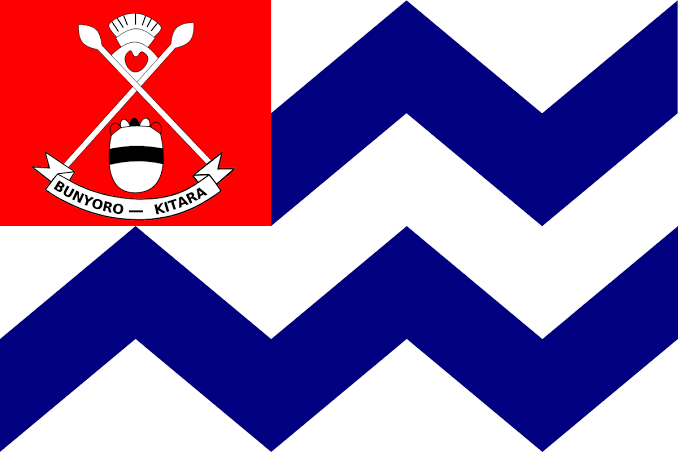
According to oral tradition, at the height of its power (XIV-XV centuries), the kingdom included much of Uganda, Rwanda, Burundi, northern Tanzania and eastern Democratic Republic of Congo.
It was ruled by two dynasties, the Batembuzi and their successors the Bachwezi.
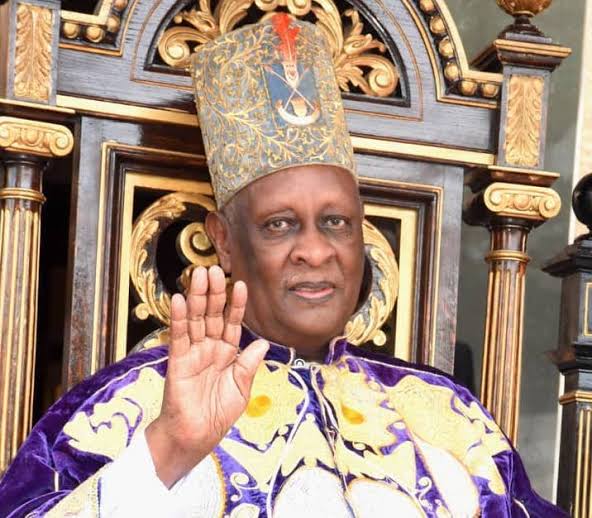
The empire is said to have fragmented after the invasion of the Luo in around 1500 .
The Chwezi dynasty is thought to have been related to the Tembuzi through King Isaza, the last ruler of the Batembuzi dynasty, who married Nyamate daughter of Nyamuyonga King of the underworld.
This union produced King Isimbwa who later fathered Ndahura in Runyakitara (known in Rwanda as Ndahiro and in Buganda as Ndaula), the first of the Chwezi dynastic kings.9
TOORO KINGDOM
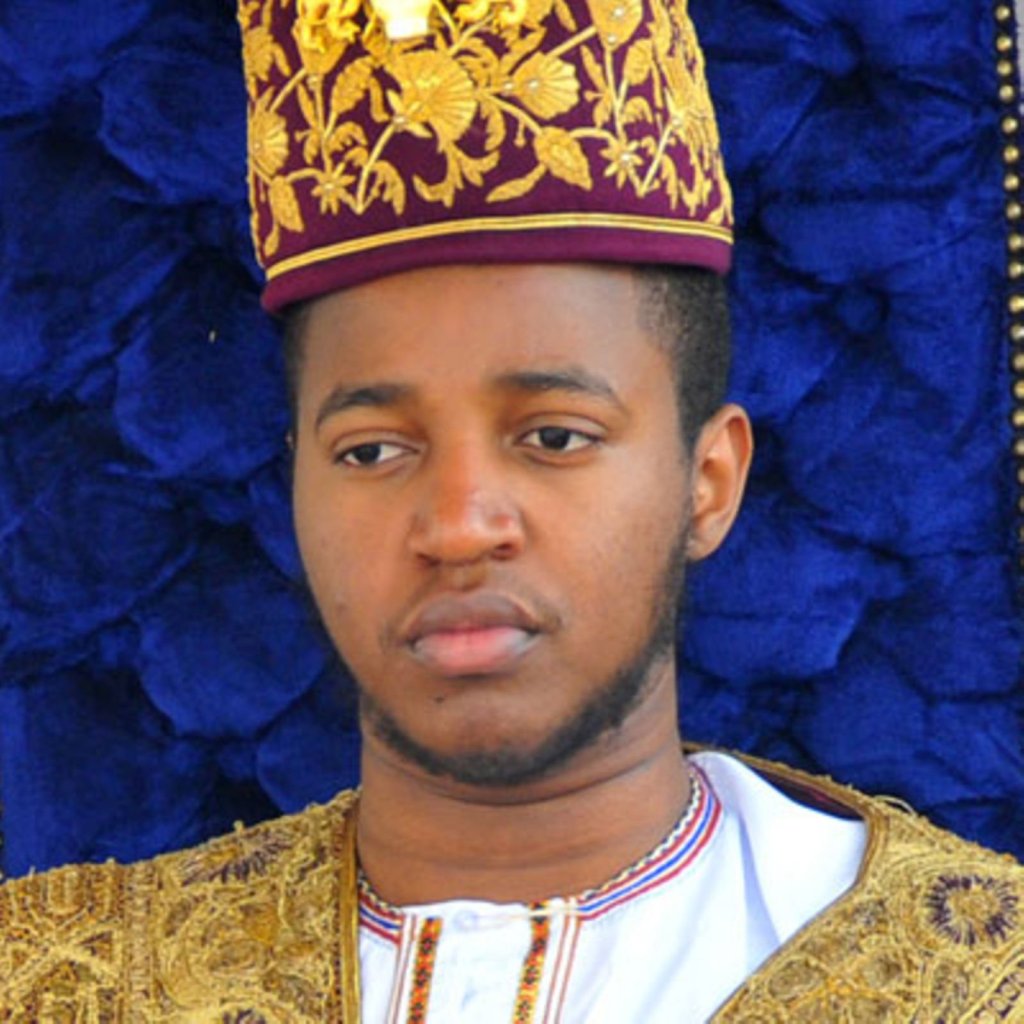
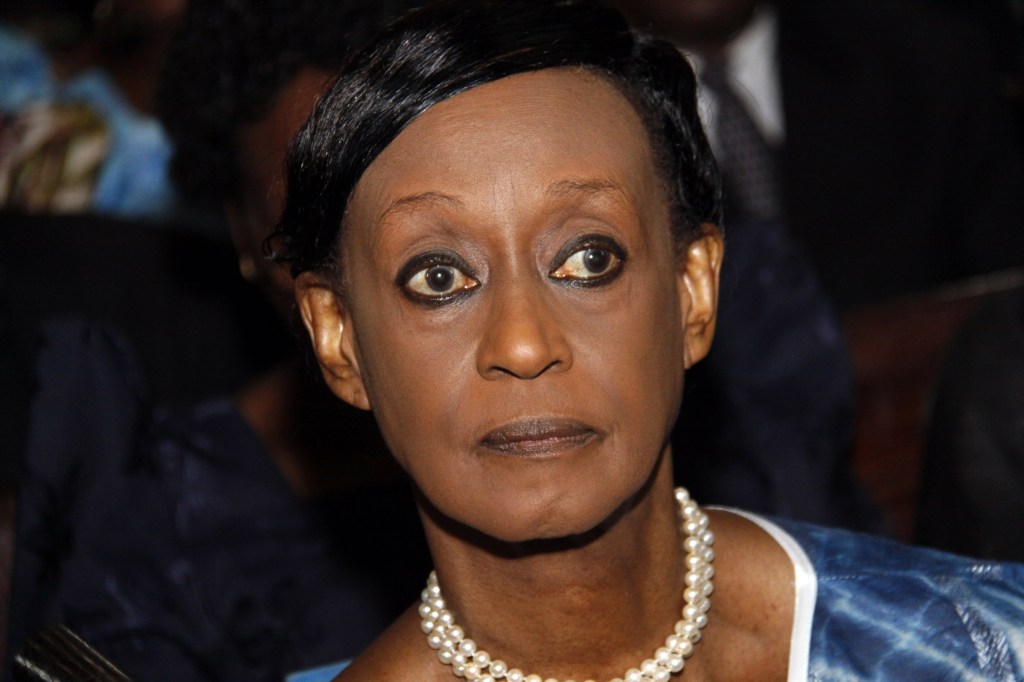
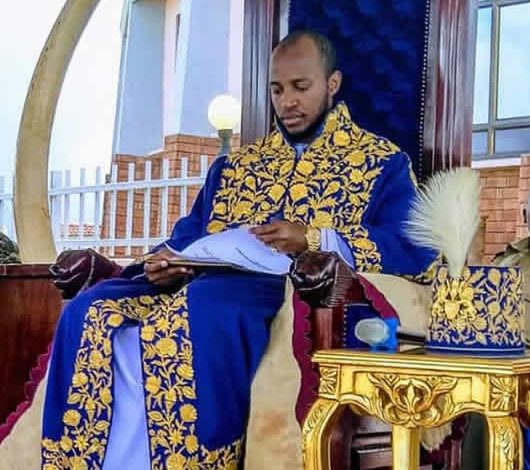
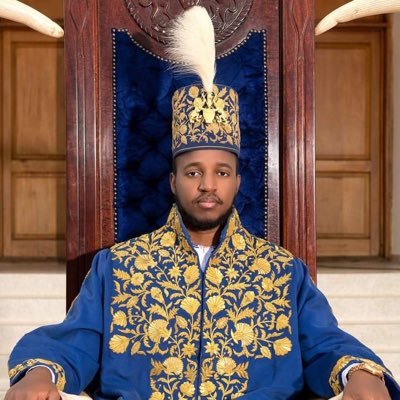
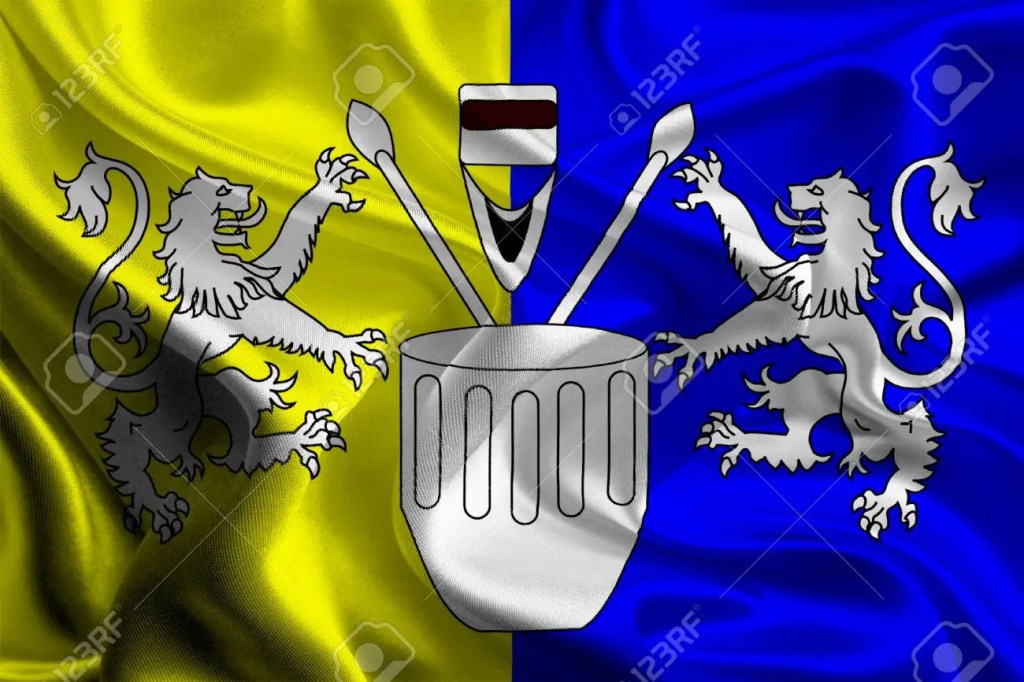
Tooro is a Bantu kingdom located within the borders of Uganda.
The current Omukama of Toro is King Oyo Nyimba Kabamba Iguru Rukidi IV.[1] King Oyo Nyimba Kabamba Iguru Rukidi IV took to the throne of Tooro kingdom in 1995 at the age of just three years, after the death of his father Omukama Patrick David Matthew Kaboyo Rwamuhokya Olimi III on August 26, 1995, at the age of 50.
The people native to the kingdom are the Batooro, and their language is likewise called Rutooro, Bakonzo, Babwisi/Bamba.
The Batoro and Banyoro speak closely related languages, Rutoro and Runyoro, and share many other similar cultural traits.[3] The Batoro live on Uganda’s western border, south of Lake Albert.
The Tooro Kingdom evolved out of a breakaway segment of Bunyoro sometime before the nineteenth century.
It was founded in 1830 when Omukama Kaboyo Olimi I, the eldest son of Omukama of Bunyoro Nyamutukura Kyebambe III of Bunyoro, seceded and established his own independent kingdom.Absorbed into Bunyoro-Kitara in 1876, it reasserted its independence in 1891.
As with Buganda, Bunyoro, and Busoga, Tooro’s monarchy was abolished in 1967 by the Government of Uganda, but was reinstated in 1993.
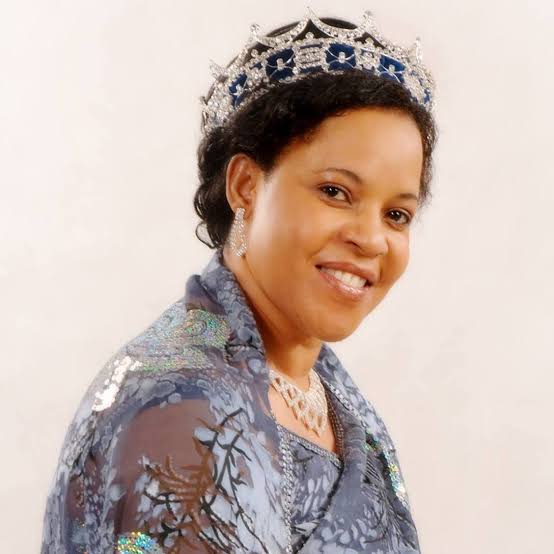
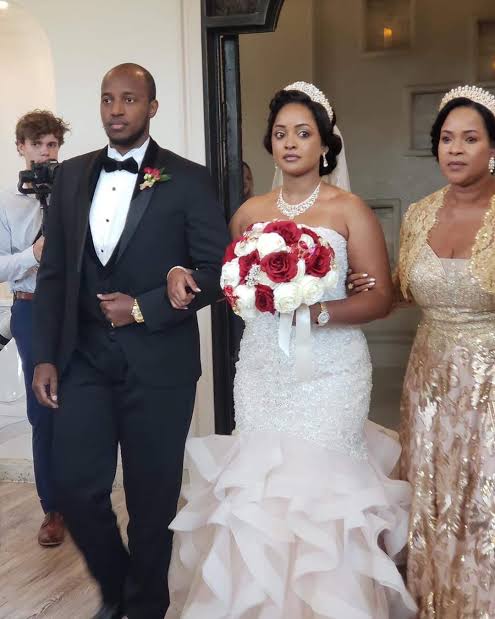

The Batooro people have a strong culture but similar in stratification to Banyoro.They have got a strong cultural naming system (PET NAME) known as Empaako. With the Empaako naming system, children are given one of twelve names shared across the communities in addition to their given and family names.
Addressing someone by his or her Empaako is a positive affirmation of cultural ties. It can be used as a form of greeting or a declaration of affection, respect, honour or love.
Use of Empaako can defuse tension or anger and sends a strong message about social identity and unity, peace and reconciliation.
The Empaako names are: AMOOTI, ABOOKI, AKIIKI, ATEENYI, ADYEERI, ATWOOKI, ABWOOLI, ARAALI, ACAALI, BBALA and OKAALI.
The following is a list of the Abakama of Tooro since 1800:
Olimi I: 1822–1865
Ruhaga of Toro: 1865–1866
Nyaika Kyebambe I: 1866–1871 and 1871–1872
Rukidi I: 1871
Olimi II: 1872–1875
Rukidi II: 1875–1875
Rububi Kyebambe II: 1875 and 1877–1879
Kakende Nyamuyonjo: 1875–1876 and 1879–1880
Katera: 1876–1877
Interregnum, reverted to Bunyoro: 1880–1891
Kyebambe III: 1891–1928
Rukidi III: 1929–1965
Olimi III: 1965–1967
in pretence: 1967–1993 (monarchy abolished)
Rukidi IV: 1995 (monarchy reinstated)
ANKOLE KINGDOM
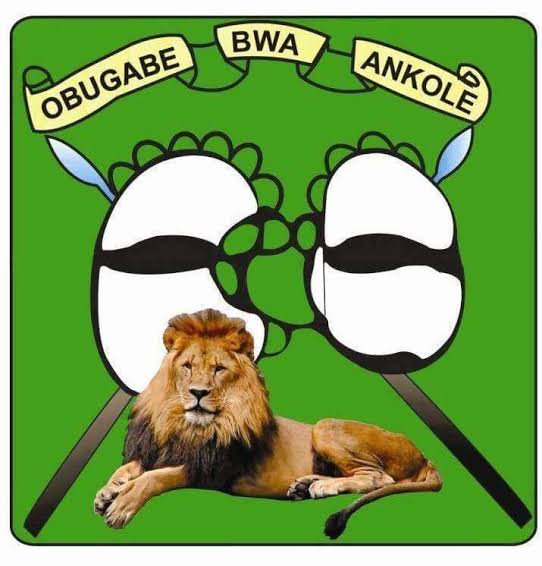
Ankole Kingdom is located in the South-Western region of Uganda bordering Rwanda and the Democratic Republic of Congo. The kingdom was ruled by a monarch known as the Mugabe or Omugabe. The people of Ankole are called Banyankole (singular: Munyankole) in Runyankole language, a Bantu language.
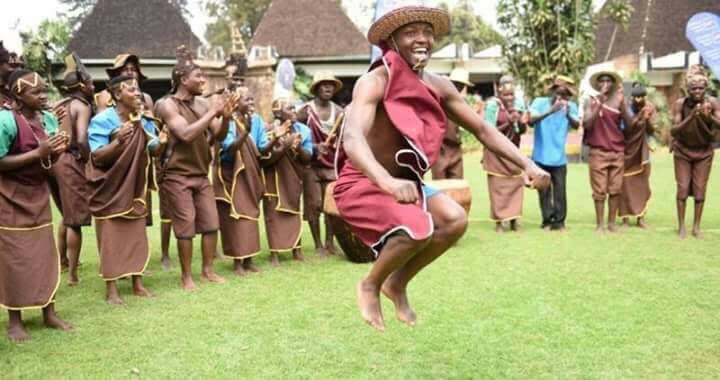
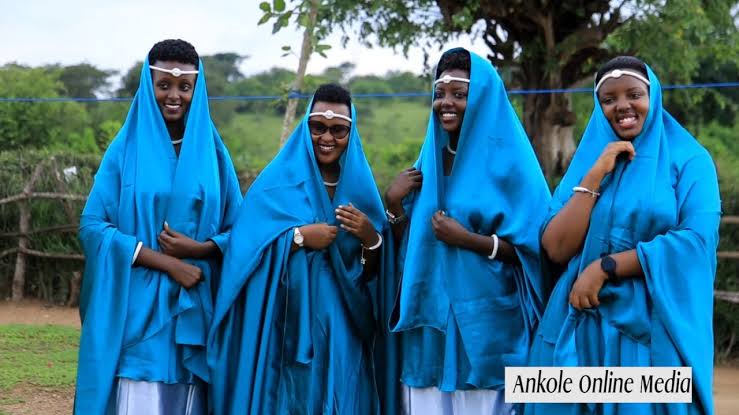
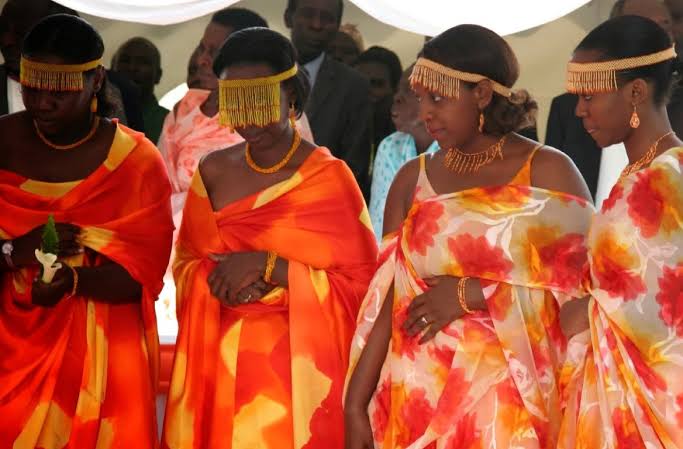
Pre-colonial ethnic relations in Ankole
The pastoralist Hima (also known as Bahima) established dominion over the agricultural Iru (also known as Bairu) some time before the nineteenth century.
The Hima and Iru established close relations based on trade and symbolic recognition, but they were unequal partners in these relations. The Iru were legally and socially inferior to the Hima, and the symbol of this inequality was cattle, which only the Hima could own.
The two groups retained their separate identities through rules prohibiting intermarriage and, when such marriages occurred, making them invalid.
The Hima provided cattle products that otherwise would not have been available to Iru farmers.Because the Hima population was much smaller than the Iru population, gifts and tribute demanded by the Hima could be supplied fairly easily.
These factors probably made Hima-Iru relations tolerable, but they were nonetheless reinforced by the superior military organization and training of the Hima.
The kingdom of Ankole expanded by annexing territory to the south and east.
In many cases, conquered herders were incorporated into the dominant Hima stratum of society, and agricultural populations were adopted as Iru or slaves and treated as legal inferiors.Neither group could own cattle, and slaves could not herd cattle owned by the Hima.
Ankole society evolved into a system of ranked statuses, where even among the cattle-owning elite, patron-client ties were important in maintaining social order.
Men gave cattle to the king (mugabe) to demonstrate their loyalty and to mark life-cycle changes or victories in cattle raiding. This loyalty was often tested by the king’s demands for cattle or for military service.
In return for homage and military service, a man received protection from the king, both from external enemies and from factional disputes with other cattle owners.
The mugabe authorized his most powerful chiefs to recruit and lead armies on his behalf, and these warrior bands were charged with protecting Ankole borders.
Only Hima men could serve in the army, however, and the prohibition on Iru military training almost eliminated the threat of Iru rebellion.
Iru legal inferiority was also symbolized in the legal prohibition against Iru owning cattle.
And, because marriages were legitimized through the exchange of cattle, this prohibition helped reinforce the ban on Hima-Iru intermarriage.
The Iru were also denied highlevel political appointments, although they were often appointed to assist local administrators in Iru villages.
The Iru had a number of ways to redress grievances against Hima overlords, despite their legal inferiority.
Iru men could petition the king to end unfair treatment by a Hima patron. Iru people could not be subjugated to Hima cattle-owners without entering into a patron-client contract.
A number of social pressures worked to destroy Hima domination of Ankole.
Miscegenation took place despite prohibitions on intermarriage, and children of these unions (abambari) often demanded their rights as cattle owners, leading to feuding and cattle-raiding.
From what is present-day Rwanda groups launched repeated attacks against the Hima during the nineteenth century.
To counteract these pressures, several Hima warlords recruited Iru men into their armies to protect the southern borders of Ankole.
Banyankore trace their ancestors back to the Bairu and the Bahima subgroup.
Colonial and post-colonial periods
On 25 October 1901, the Kingdom of Nkore was incorporated into the British Protectorate of Uganda by the signing of the Ankole agreement.
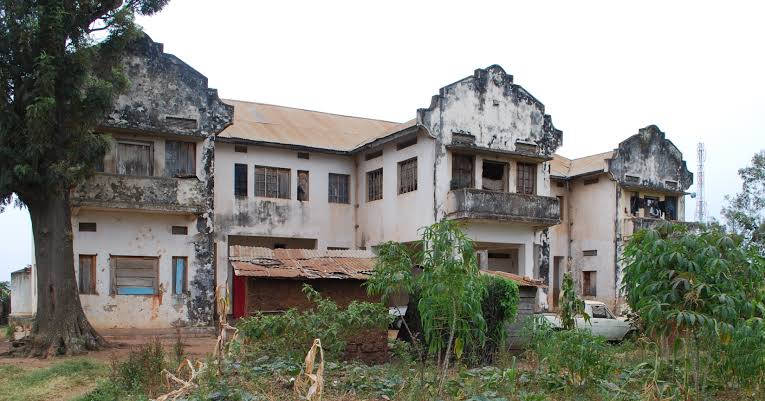

The kingdom was formally abolished in 1967 by the government of President Milton Obote, and since then, the kingdom has not been restored officially.
Because of the reorganisation of the country by Idi Amin, Ankole no longer exists as an administrative unit. It is divided into ten districts, namely: Bushenyi District, Buhweju District, Mitooma District, Rubirizi District, Sheema District, Ntungamo District, Mbarara District, Kiruhura District, Ibanda District, and Isingiro District.
KINGS OF ANKOLE
Ruhinda (c. 1430 – 1446)
Nkuba (c. 1446 – 1475)
Nyaika (c. 1475 – 1503)
Nyabugaro Ntare I (c. 1503 – 1531)
Rushango (c. 1531 – 1559)
Ntare II Kagwejegyerera (c. 1559 – 1587)
Ntare III Rugamaba (c. 1587 – 1615)
Kasasira (c. 1615 – 1643)
Kitera (c. 1643 – 1671) (joint ruler with Kumongye)
Kumongye (c. 1643 – 1671) (joint ruler with Kitera)
Mirindi (c. 1671 – 1699)
Ntare IV Kitabanyoro (c. 1699 – 1727)
Macwa (c. 1727 – 1755)
Four joint rulers (c. 1755 – 1783)
Rwabirere
Karara I
Karaiga
Kahaya I
Three joint rulers (c. 1783 – 1811)
Nyakashaija
Bwarenga
Rwebishengye
Kayunga (c. 1811 – 1839) (joint ruler with Gasiyonga I)
Gasiyonga I (c. 1811 – 1839) (joint ruler with Kayunga)
Mutambuka (c. 1839 – 1867)
Ntare V (c. 1867 – 1895)
Monarchy placed under the Uganda Protectorate in 1896.[7]
Kahaya II (1895 – 1944)
Gasiyonga II (1944 – 8 September 1967)
Monarchy abolished in 1967.[7]
Ntare VI/John Barigye, 1993–2011 (Titular king)
Charles Rwebishengye, 2011–present (Titular king/crown prince)
BUSOGA KINGDOM
Busoga is a kingdom and one of four constitutional monarchies in present-day Uganda.
The kingdom is a cultural institution which promotes popular participation and unity among the people of the region through development programs to improve their standard of living.
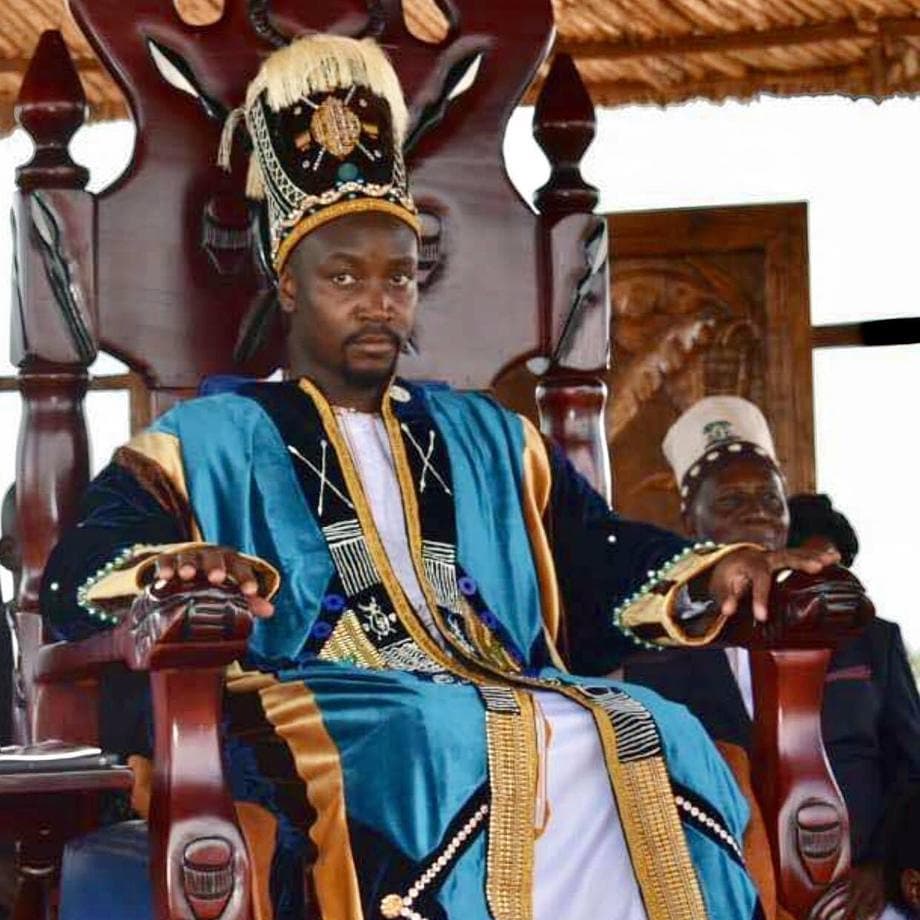
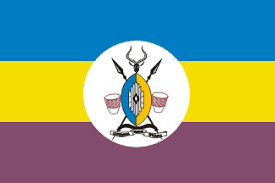
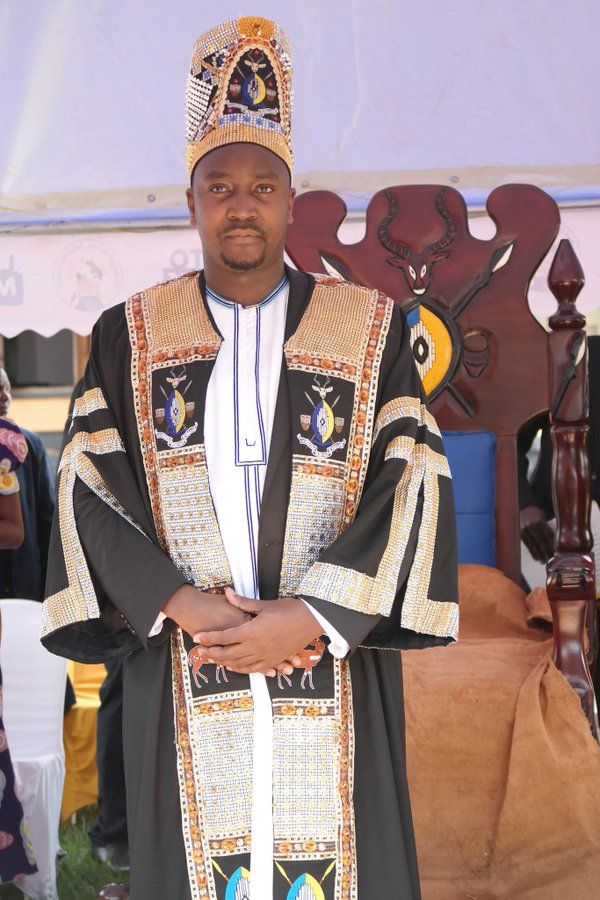
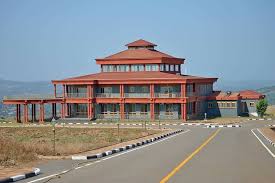
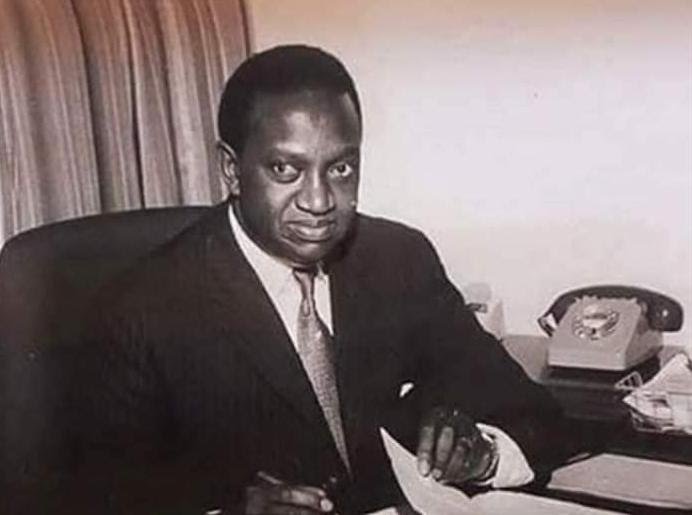
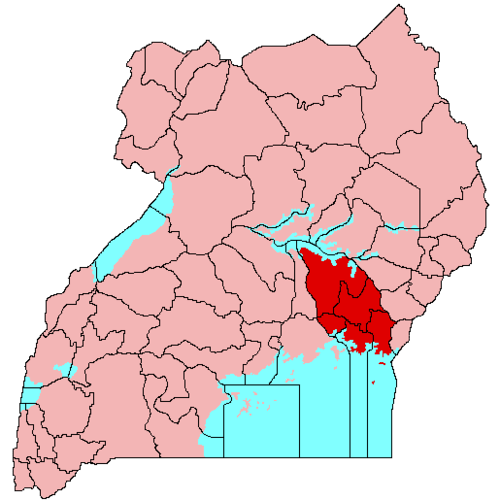
Busoga strives for a united people who have economic, social and cultural prosperity and assists the Kyabazinga.
Busoga means “Land of the Soga”, and is the kingdom of the 11 principalities of the Basoga or Soga (singular Musoga) people. Its capital is Bugembe, near Jinja (Uganda’s second-largest city, after Kampala).
Busoga comprises ten districts: Kamuli, Iganga, Bugiri, Mayuge, Jinja, Luuka, and the new districts of Bugweri, Buyende, Kaliro and Bugweri.
Each district is headed by an elected chairperson or a Local Council Five, and municipalities are headed by an elected mayor.
Jinja is the industrial and economic hub of Busoga. Busoga is bordered on the north by shallow Lake Kyoga (separating it from Lango), on the west by the Victoria Nile (separating it from Buganda), on the south by Lake Victoria (separating it from Tanzania and Kenya) and on the east by the Mpologoma River (separating it from smaller tribal groups such as the Adhola, Bugwere and Bugisu).
It also includes several islands in Lake Victoria, such as Buvuma Island.
Busoga is ruled by the Isebantu Kyabazinga, who is currently William Kadhumbula Gabula Nadiope IV, the Gabula of Bugabula, and grandson to Wilberforce Kadhumbula Nadiope, former vice president and also Kyabazinga of Busoga Kingdom.
In 1995, the government restored monarchies in Uganda in Article 246(1) of the constitution of Uganda. On 11 February 1996,Henry Wako Muloki was reinstated as Kyabazinga Isebantu of Busoga. He served until 1 September 2008, when he died of esophageal cancer at the Mulago National Referral Hospital in Kampala at age 87.
In a condolence message, Ugandan president Yoweri Museveni described Muloki as “a great cultural leader and father” who was “generous and kind”. Museveni noted that since his re-installation,Muloki was a unifying factor in Busoga: “The Government has had the privilege of working with Isebantu Muloki in developing our nation”. Referring to the Kyabazinga as “a strong pillar”, the president said that although Busoga was one of the youngest kingdoms, under Muloki’s leadership it had become strong: “Uganda mourns not only one of her esteemed traditional leaders but a national who put development and the welfare of the people of Busoga at the helm of his reign”.
Muloki’s achievements included programs for youth, the elderly, and the poor and the education of girls. Although the Royal Chiefs of Busoga at first elected Edward Columbus Wambuzi, Muloki’s son, as Kyabazinga of Busoga, the election was contested due to lack of quorum (at least eight chiefs) and thus electing later Gabula Nadiope IV with ten out of eleven chiefs and was crowned on 13 September 2014.
POLITICAL HISTORY
Around the turn of the 16th century, the Baisengobi clan from Bunyoro gained power. Mukama Namutukula of the royal Babiito family of Bunyoro is said to have left Bunyoro during the 16th century as part of the kingdom’s expansion policy, travelling east across Lake Kyoga with his wife Nawudo, a few servants, arms and a dog and landing at Iyingo in northern Busoga (in the present-day Kamuli District).Mukama, who enjoyed hunting, was taken with the land. He engaged in metalworking: blacksmithing and making hoes, iron utensils and spears.
Of Mukama’s children five boys survived, and when he returned to Bunyoro he gave them land to oversee. His firstborn, Wakoli, received Bukooli; Zibondo received Bulamogi, Ngobi Kigulu, Tabingwa Luuka, and the youngest son, Kitimbo, received Bugabula.
These areas later became administrative and cultural centers in Busoga. When Mukama did not return, his sons regarded themselves as the legitimate rulers of their respective areas.
They presided over their dominions, employing governing methods and cultural rituals similar to those in Bunyoro. This political and cultural arrangement in Busoga continued until the late 19th century, when the colonialists persuaded its rulers to organize a federation.
The federation was governed by a Lukiiko.Although Busoga is called a “kingdom”, it did not have a central ruler before 1906, unlike its western neighbor Buganda. In 1906, a central administrator — later a King — was installed at the behest of the British.
Before this, the Basoga were organized in semi-autonomous chiefdoms influenced by Bunyoro and, later, Buganda. Some of the chiefs were appointed by the Kabaka, and, before the ascendancy of Buganda as the region’s dominant power, by the Omukama of Bunyoro.Busoga’s first native King was the chief of Bugabula, Yosia Nadiope. Nadiope died in 1913 and was, in 1919, succeeded by the chief of Bulamogi, Ezekiel Tenywa Wako, who had both support of the colonialist British support and an administrative background, in addition to his being educated at the prestigious Kings’ College Budo. Gideon Obodha of Kigulu (another contender for the post) was unfamiliar with the British system, and William Wilberforce Nadiope Kadhumbula of Bugabula was an infant whose regent (Mwami Mutekanga) was ineligible as a mukoopi (a commoner). In 1918-19, the title of Isebantu Kyabazinga was created and Wako took the throne.
In 1925 Wako became a member of the Uganda Kings Council, consisting of the Kyabazinga of Busoga, the Kabaka of Buganda, the Omukamas of Bunyoro and Toro and the Omugabe of Ankole.On 11 February 1939 Owekitibwa Ezekerial Tenywa Wako, father of the last Kyabazinga of Busoga Henry Wako Muloki and the Zibondo of Bulamogi, was installed as the first Kyabazinga of Busoga (a title he held until his 1949 retirement).
By Wako’s retirement, the Lukiiko had expanded to include elected representatives (two from each of Busoga’s 55 sub-counties).When Wako retired the Busoga Lukiiko resolved that the Kyabazinga should be elected from the five lineages of Baise Ngobi (Ababiito), hereditary rulers traditionally believed to have been the five sons of the Omukama of Bunyoro who migrated to Busoga from Bunyoro.
This method of election was used for subsequent elections, beginning in 1949 when Owekitibwa Chief William Wilberforce Nadiope Kadhumbula of Bugabula was elected. He served for two terms of three years each, followed by Henry Wako Muloki (who also served two terms).
In 1957, the title Inhebantu of Busoga was introduced for the wife of the Kyabazinga (or Isebantu).When monarchies were abolished in 1966, the Kyabazinga was dethroned. Idi Amin expelled the Asians from Uganda in 1972, and Jinja suffered socially and economically.
The government of Yoweri Museveni has tried to encourage them to return. The Asian influence remains, particularly in architecture and street names.In 1995, the government restored monarchies in Uganda. On 11 February, Henry Wako Muloki was reinstated as Kyabazinga according to Kisogan tradition.
Unlike most monarchs, the Kyabazinga has no heir or crown prince but is succeeded by a chief elected by the Lukiiko and the Royal Council.
Suuna Mawanda
- Title Principality / Chiefdom Head
- Zibondo Bulamogi Edward Wambuzi
- Gabula Bugabula William Nadiope
- Ngobi Kigulu. Izimba Gologolo
- Tabingwa Luuka W. Tabingwa Nabwana
- Nkono Bukono C. J. Mutyaba Nkono
- Wakooli Bukooli David Muluuya Kawunye
- Ntembe Butembe Badru Waguma
- Menha Bugweri Kakaire Fred Menya
- Kisiki Busiki Yekosofato Kawanguzi
- Luba Bunha Juma Munulo
- Nanhumba Bunhole Mukunya C.H
WHY BUSOGA KINGDOM IS VERY CRUCIAL FOR OUR ECONOMIC GROWTH SINCE THE 27TH CENTURY…
During the 19th century, one of the main routes along which Europeans travelled from the coast to Buganda passed through southern Busoga. Speke, James Grant, Gerald Portal, Frederick Lugard, J. R. Macdonald and Bishop Tucket noted that Busoga had plentiful food and was densely populated. However, between 1898–99 and 1900–01 the first cases of sleeping sickness were reported.
In 1906, orders were issued to evacuate the region. Despite attempts to clear the area, the epidemic continued until 1910. As a result, most of the densely populated parts of Busoga (with an original population of over 200,000) were depopulated within ten years.
Lubas Palace at Bukaleba and the European fruit mission collapsed, and survivors were relocated to other parts of Busoga. Southern Busoga, about one-third of the kingdom’s area, was depopulated by 1910.
During the 1920s and 1930s, some evacuees who survived the epidemic began to return to their original land. In 1940 a new outbreak appeared in the area, and only in 1956 did resettlement (promoted by the government) begin again.[2]
The result of the epidemic was that southern Busoga, its most densely populated area, was virtually uninhabited. Other areas affected by sleeping sickness, including eastern Bukooli and Busiki, were depopulated as well. Famines also triggered substantial population movements. Parts of northeastern Busoga and the adjacent Bukandi district (across the Mpologoma River) experienced famines in [1907, 1908, 1917, 1918|1898–1900, 1907, 1908, 1917, 1918] and 1944. Populations in these areas shrank; many people were killed by the famines, and survivors moved to other areas for safety.
The effects of these movements were apparent in the growth in population of central and peri-urban Busoga. Many Basoga left Busoga during this period for other districts.
 OLULYO OLULANGIRA ONLINE