By Emeritus Kajumba Daniel – Former Archideacon Reigate
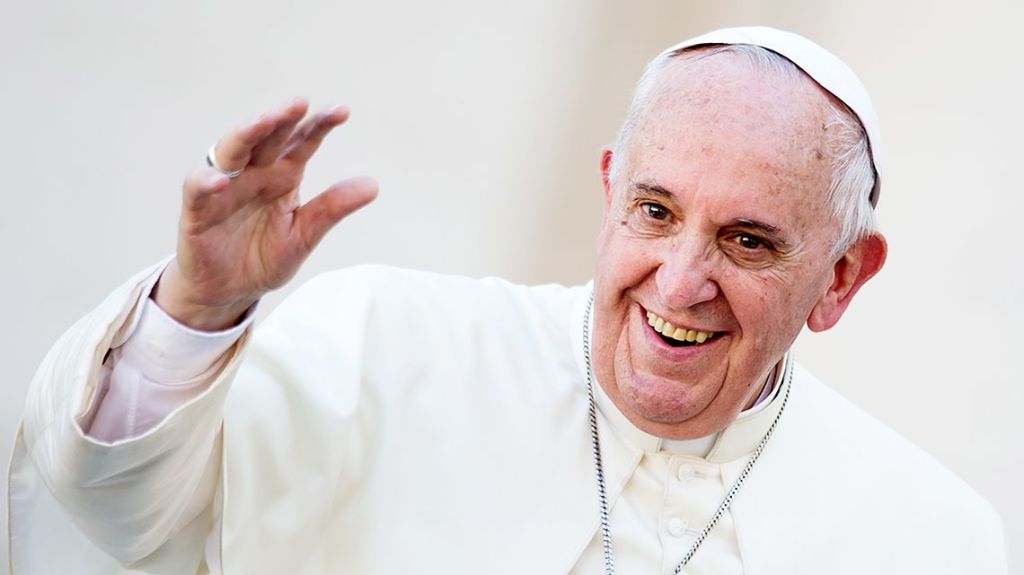
From the vibrant heart of Buenos Aires emerged a remarkable man whose dedication to service, humility, and compassion would decisively shape the future of the Catholic Church. Jorge Mario Bergoglio rose from humble beginnings, without the advantages of wealth or privilege, to become a pivotal figure in Catholicism.
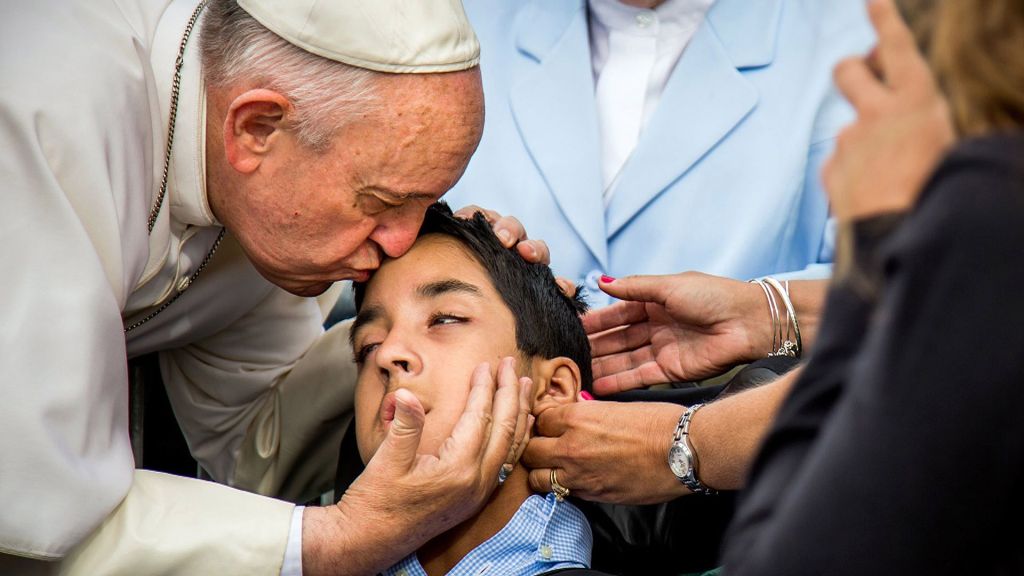
His childhood, set against the backdrop of Argentina’s working-class neighborhoods, was intertwined with threads of Italian heritage, family traditions, and a steadfast faith nurtured within the modest Basilica de San José de Flores.
HUMBLE BEGINNINGS: A LIFE OF FAITH AND HARD WORK
Growing up in a devout Catholic household, young Jorge learned early that faith was not just a belief—it was a call to action. His parents, immigrants from Italy, instilled in him strong values of hard work, sacrifice, and responsibility.
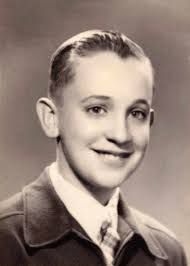
Before beginning his journey in religious service, Bergoglio held various jobs that provided him with valuable insights into the struggles of everyday people. He worked as a janitor and even as a nightclub bouncer. These seemingly ordinary roles allowed him to understand human vulnerability, hardship, and resilience—experiences that would shape his leadership approach in the years to come.
Jorge Bergoglio was a man of diverse academic interests. He earned a diploma as a chemical technician and pursued a licentiate in philosophy. Later, he dedicated himself to theological studies at the Colegio de San José. While he was intrigued by science, his true calling lay in a deeper commitment to his faith, which inspired him to follow a path of greater service.
THE CALL TO RELIGIOUS LIFE
In 1958, Bergoglio made a life-altering decision—joining the Society of Jesus and commencing his Jesuit formation.
The Jesuits, renowned for their intellectual rigor, discipline, and unwavering commitment to education and social justice, provided the ideal foundation for his vocation. His training emphasized humility, service, and sacrifice, preparing him for a life devoted to others.
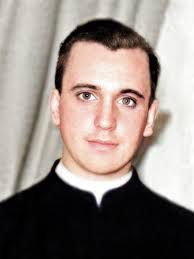
By 1969, he was ordained a priest. His passion for outreach and pastoral care was evident in his work, and as his reputation grew, so did his responsibilities. He was appointed Jesuit provincial superior and later Archbishop of Buenos Aires, each role deepening his commitment to the poor, the marginalized, and those in need of spiritual guidance.
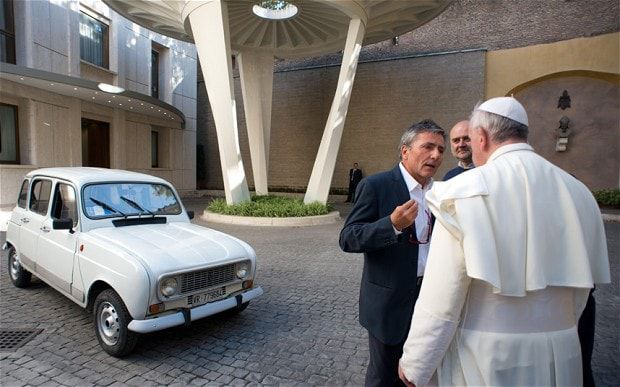
Unlike many high-ranking church officials, Bergoglio remained close to the people. He rejected the luxuries often afforded to religious leaders, choosing instead to travel by public transportation rather than a private chauffeur. He visited the slums, engaged with the struggling, and actively worked to address social injustices in Argentina. His humility and accessibility endeared him to the populace.
A HISTORIC PAPACY BEGINS
On March 13, 2013, history was made. Bergoglio was elected as the 266th Pope of the Catholic Church—the first Jesuit Pope, the first Latin American Pope, and the first Pope to take the name *Francis*, inspired by Saint Francis of Assisi. His choice of name alone signaled what his papacy would represent—a return to simplicity, mercy, and service to the poor.
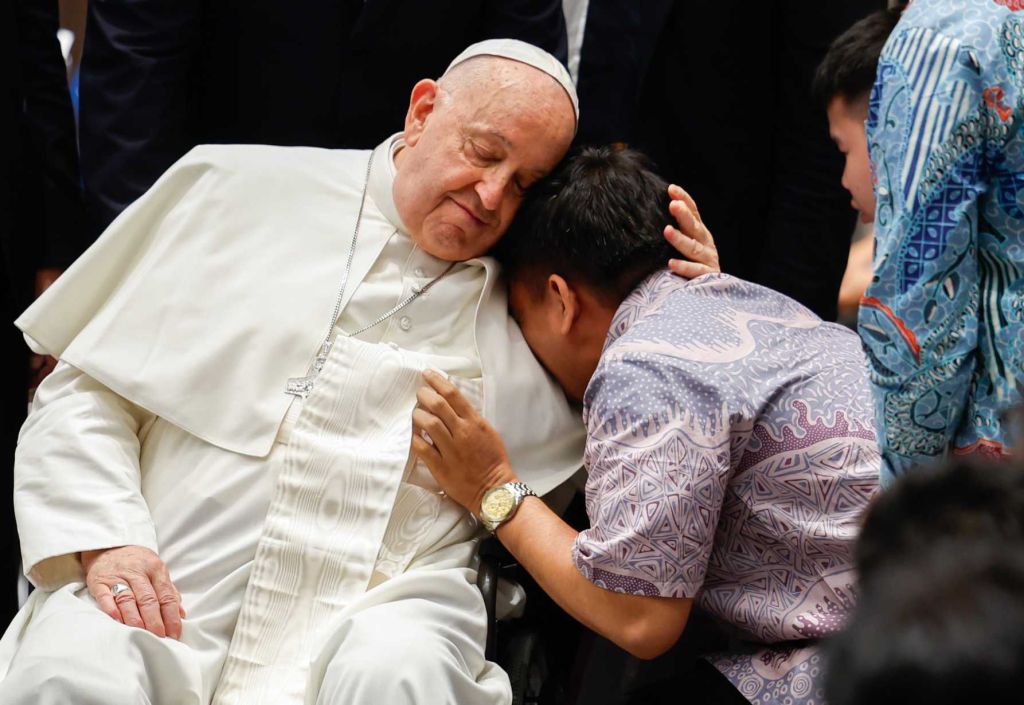
Pope Francis immediately distinguished himself from his predecessors. Rejecting the ornate trappings of the Vatican, he chose to reside in the humble Casa Santa Marta rather than the luxurious Apostolic Palace. He wore simple attire, declined traditional papal red shoes, and opted for a modest Ford Focus instead of grand transportation.
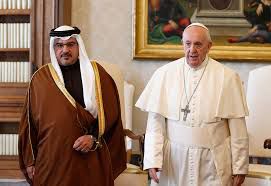
His papacy was not merely about personal simplicity—it was a radical statement on leadership. Pope Francis believed that true leadership was rooted in service, not status. He consistently emphasized that the Church should be a *”field hospital for souls,”* welcoming everyone, especially those who felt abandoned by faith.
A POPE OF THE PEOPLE: ADVOCACY FOR THE MARGINALIZED
Pope Francis focused much of his papacy on advocating for the poor, condemning global economic inequality, and urging world leaders to address pressing social issues. His encyclical, *Laudato Si’*, issued in 2015, became one of the most influential documents in modern Catholic history. It was a passionate plea for environmental responsibility, calling on humanity to care for the planet as a common home rather than exploit it for profit.
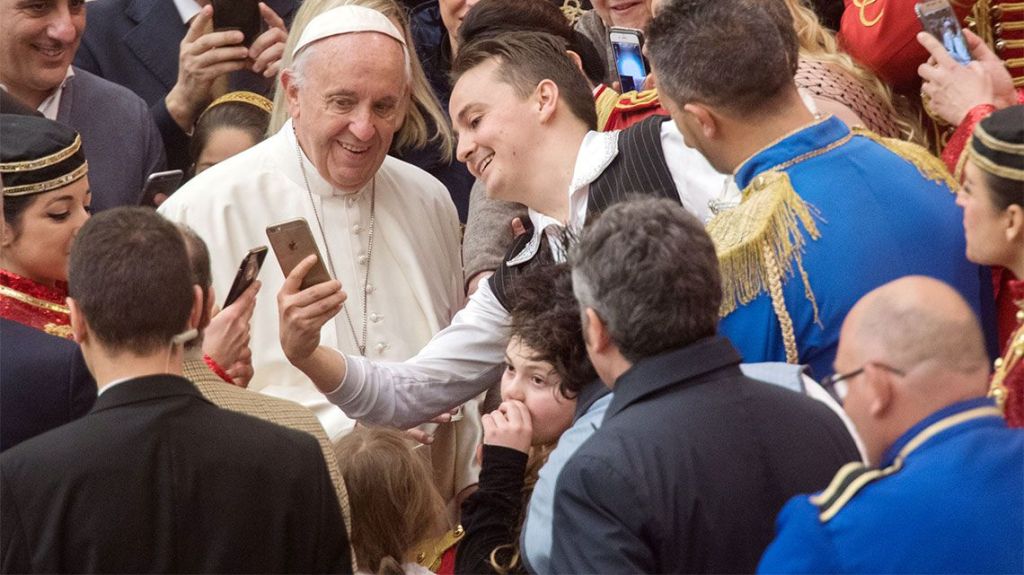
His efforts extended beyond environmental activism. He became an outspoken critic of unchecked capitalism, calling for economic systems that prioritized human dignity over corporate wealth. He advocated for increased support for refugees, urging nations to show mercy to those fleeing war and persecution.
Pope Francis has took a nuanced approach to addressing LGBTQ issues within the Catholic Church.
A BALANCED PERSPECTIVE
Humanity and Dignity: Pope Francis emphasized the importance of treating all individuals, including those who identify as LGBTQ, with dignity, respect, and compassion. He has encouraged Catholics to focus on building relationships and understanding, rather than judgment.
Catholic Teaching on Marriage: Pope Francis reaffirmed the Catholic Church’s traditional teaching on marriage as a sacrament between a man and a woman. However, he also expressed a desire to explore ways to better support and accompany LGBTQ individuals within the Church.
The “Who Am I to Judge?” Moment: In 2013, Pope Francis famously said, “Who am I to judge?” when asked about gay priests in the Church. This statement was seen as a shift towards a more pastoral and inclusive approach.
Amoris Laetitia: In his apostolic exhortation Amoris Laetitia (2016), Pope Francis encouraged Catholics to accompany and support individuals in complex family situations, including those involving same-sex relationships.-
Synod on Synodality: During the Synod on Synodality in 2023, Pope Francis emphasized the need for the Church to listen to and accompany LGBTQ individuals, while also acknowledging the diversity of perspectives within the Church.
While Pope Francis’ approach has been seen as more inclusive and compassionate, the Church’s teachings on marriage and sexuality remain unchanged. His emphasis on treating all individuals with dignity and respect has, however, helped to create a more welcoming environment for LGBTQ Catholics.
INTERFAITH DIALOGUE AND GLOBAL DIPLOMACY
Pope Francis’ influence was not confined to the Catholic Church; he became a global figure of moral authority.
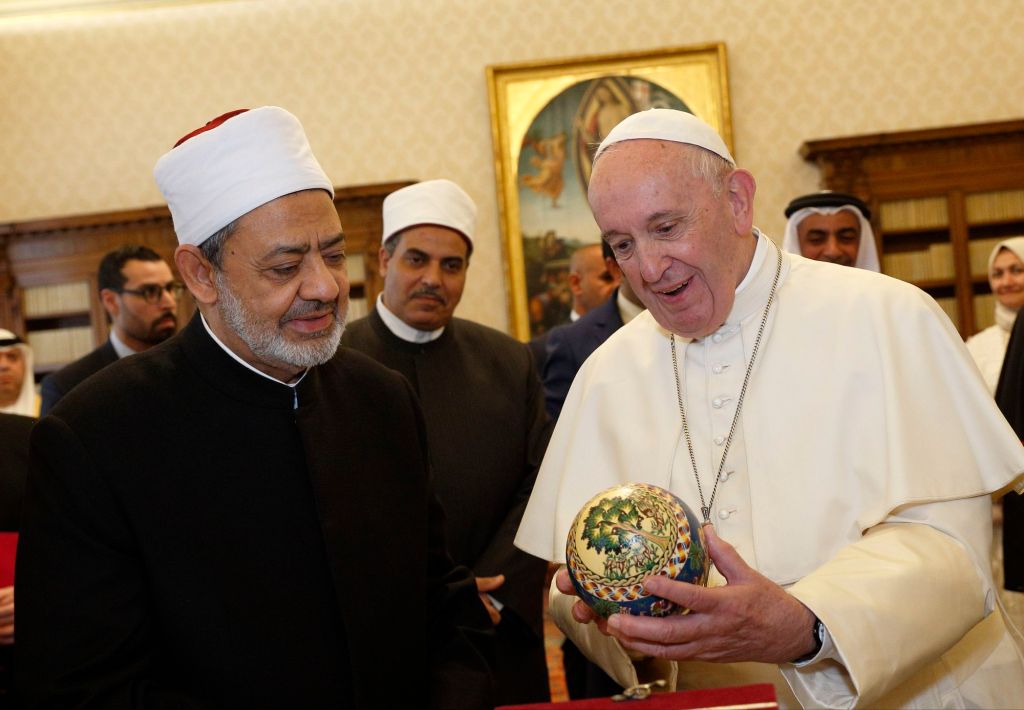
His dedication to interfaith dialogue was evident in his historic meeting with Sheikh Ahmed el-Tayeb, Grand Imam of Al-Azhar, which led to the signing of a declaration on human fraternity—an unprecedented step toward Christian-Muslim unity.
His diplomatic efforts extended to political reconciliation as well.
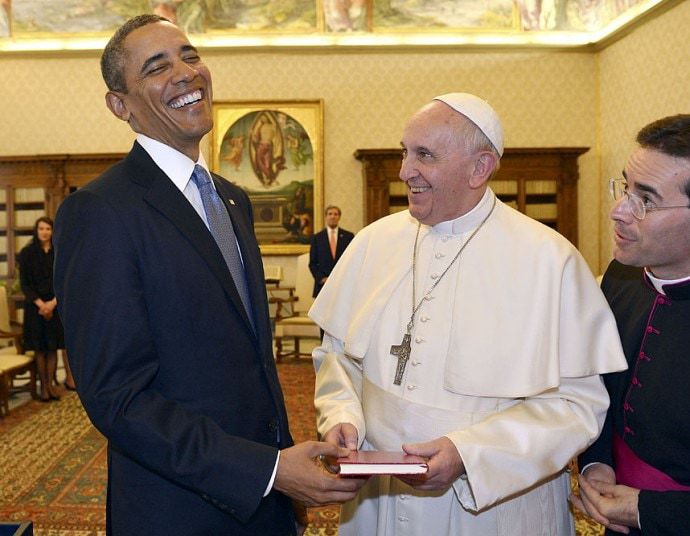
He played a crucial role in facilitating peace talks between the United States and Cuba, advocated for humanitarian efforts in conflict zones, and consistently called for international cooperation on climate change.
HIS FINAL DAYS: A LEGACY OF HUMILITY
Pope Francis, despite his global influence, stayed true to his vow of poverty. He passed away with just $100—no personal accounts, luxury properties, or investments. His choice to live simply exemplified his belief that true wealth comes from kindness and the lives he impacted.
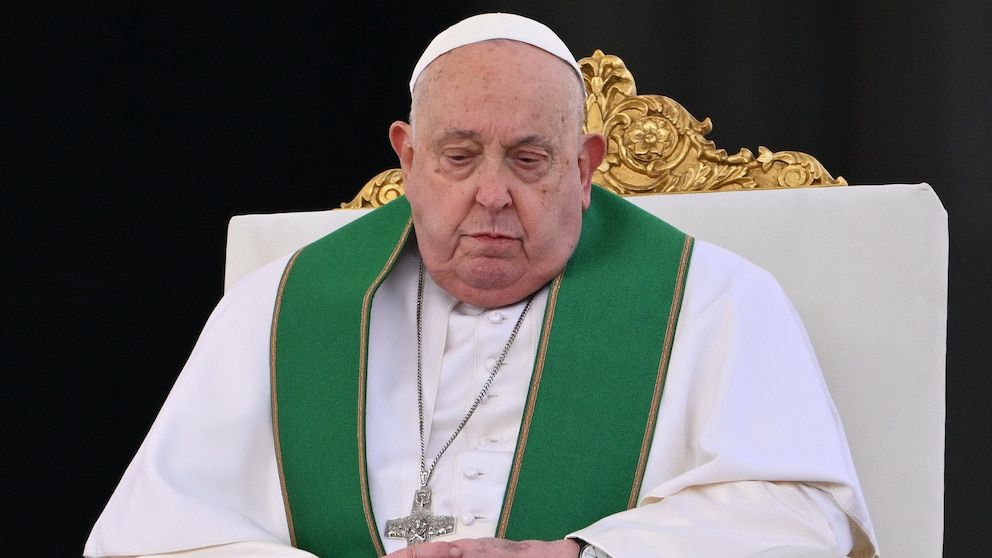
He made a surprise appearance on Easter Sunday, offering one final moment of connection with his followers. On Easter Monday, his time came to an end. His funeral was simple, stripped of the excess often associated with papal ceremonies, reflecting the humility he had embraced throughout his life.
THE HUMBLE SHEPHERD’S LASTING LEGACY
Pope Francis left no grand monuments, no towering wealth—but his legacy was etched into the hearts of millions. He transformed the Church into a beacon of mercy, pushing it beyond rigid doctrine into a realm of deeper compassion. He reminded the world that leadership was not about hierarchy, but about service.
His passing was mourned not only by Catholics but by people of all faiths. Leaders across the globe paid tribute to his moral strength, his unwavering commitment to justice, and his revolutionary approach to Christianity.
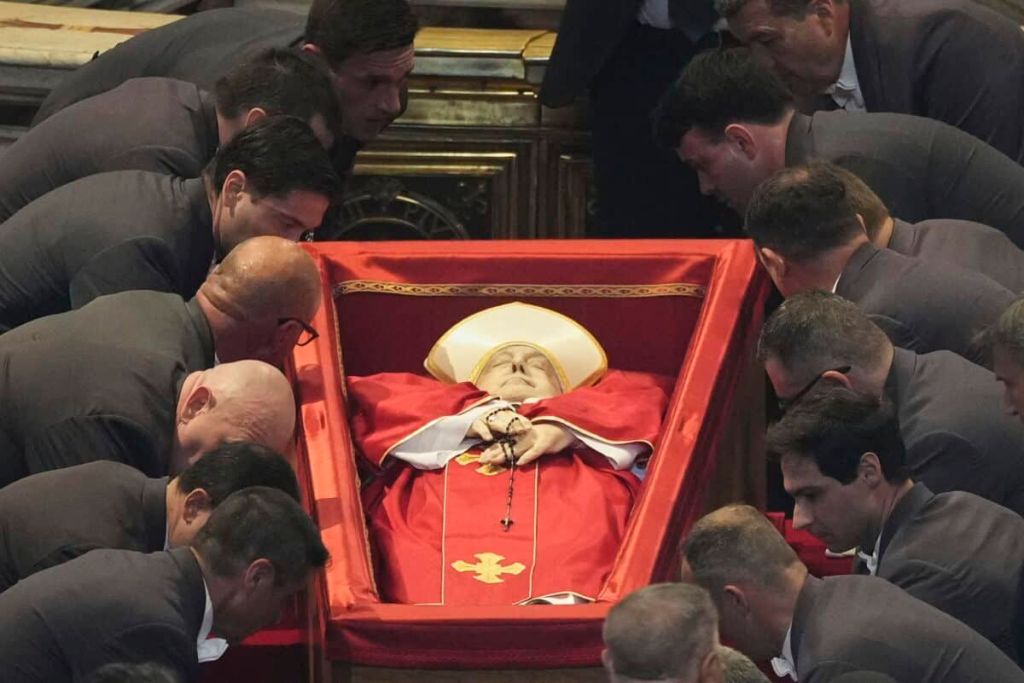
As the College of Cardinals prepares to elect his successor, Pope Francis’ influence endures.
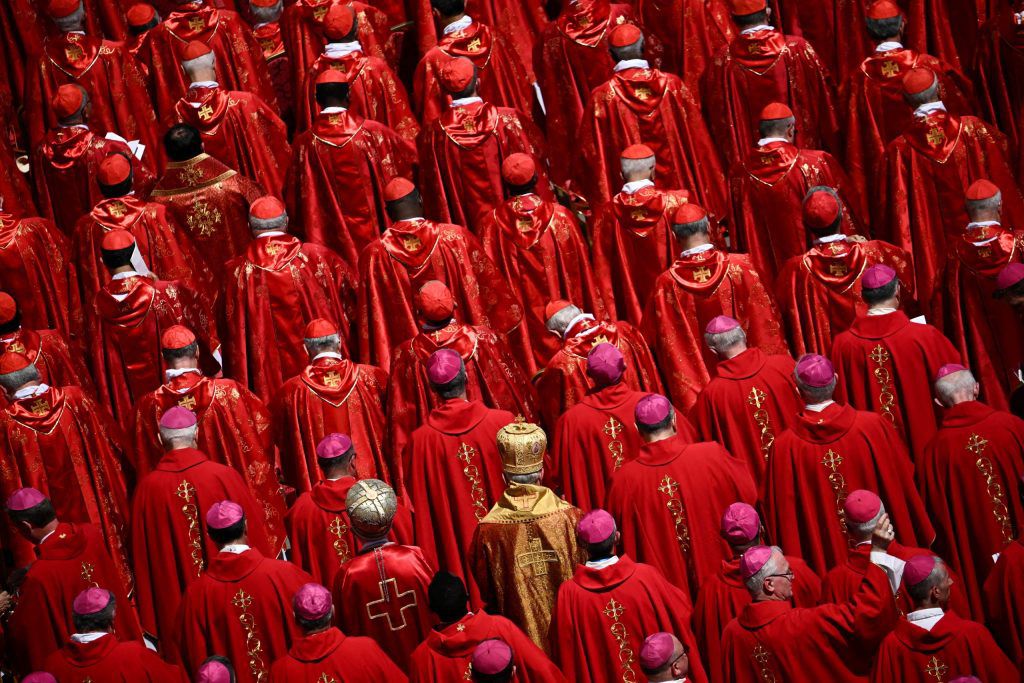
His voice continues in every call for peace, his actions inspire each act of kindness, and his vision for a Church of mercy remains a guiding light.
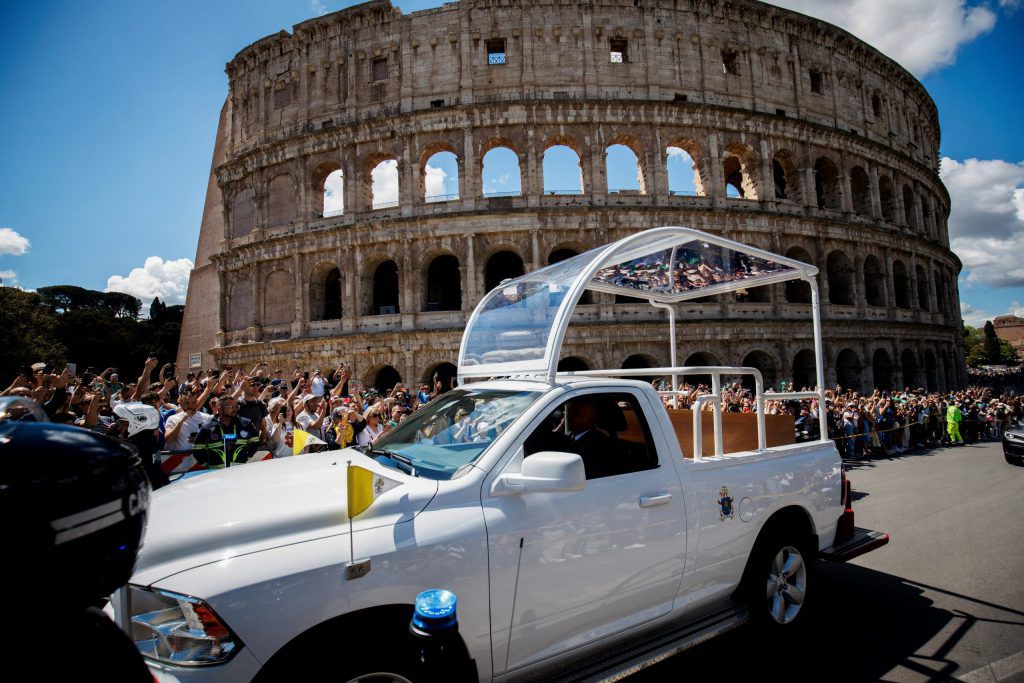
The humble shepherd returned to his flock, leaving behind a world forever touched by his unwavering compassion.In the heart of Uganda, Pope Francis’s message of social justice ignited a flame of hope.
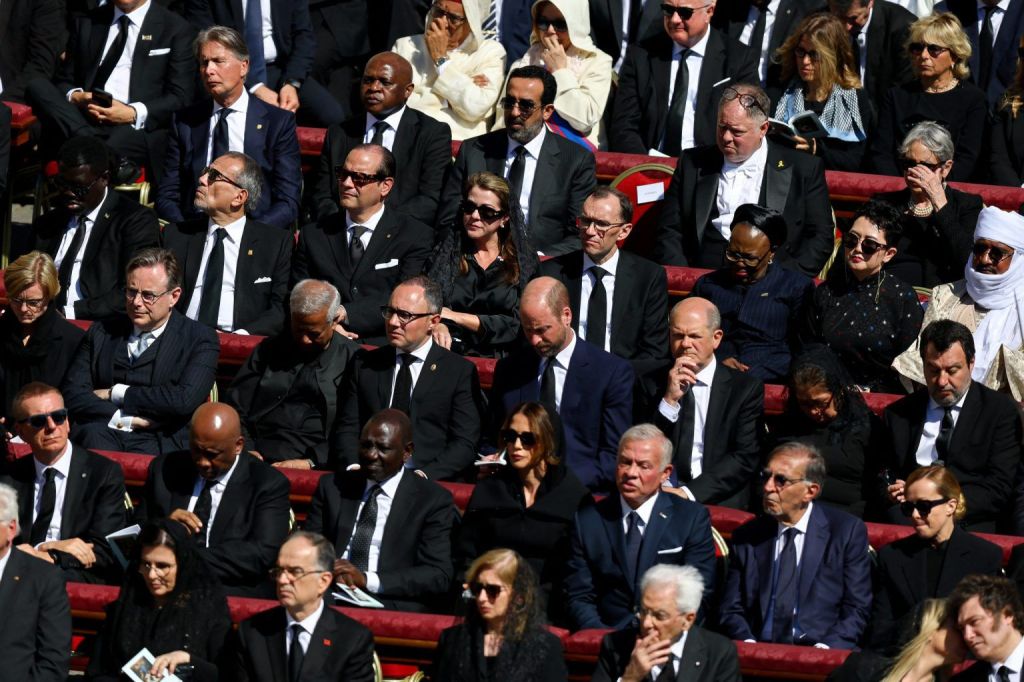
His powerful words, echoing in the encyclical Laudato Si’, called for a world where the environment was cherished and resources were shared equitably. This resonated deeply within the Ugandan Catholic Church, already grappling with the pervasive challenge of poverty.
POPE FRANCI’S IMPACT ON THE UGANDAN CATHOLIC CHURCH
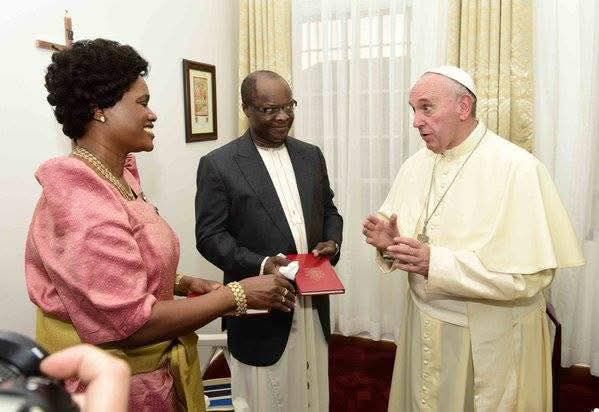
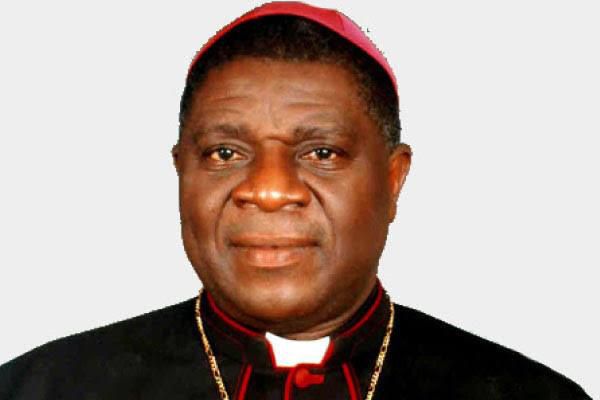
Archbishop Ssemogerere, inspired by the Pope’s unwavering commitment, took action. He launched a remarkable campaign, partnering with TriTrees FOUNDATION, a local NGO, and CARITUS to plant super fruit TREES, IN PARTICULAR breadfruit trees (FLAGSHIP TREE) across the Kampala Archdiocese. This initiative wasn’t merely about environmental preservation; it was a powerful symbol of hope, promising both ecological sustainability and increased food production for the community.
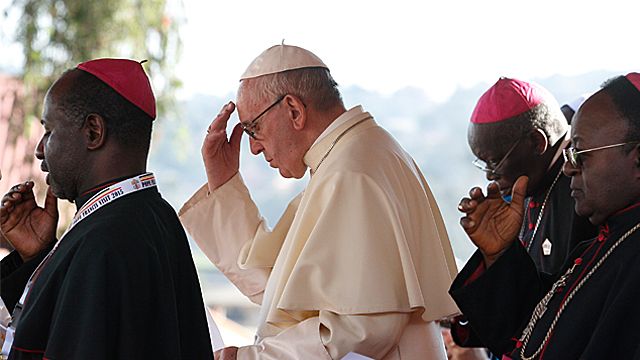
Under Archbishop Ssemogerere’s leadership, the Kampala Archdiocese IS BLOSSOMING with renewed purpose. Outreach programs ARE EXPANDING, extending vital support – food, education, and healthcare – to those most in need.  The Pope’s teachings ARE TRANSFORMING faith into action, empowering Ugandan Catholics to become agents of positive change.

 The Church, once seen as a distant institution, IS BECOMING a beacon of hope, actively working to alleviate suffering and build a more just society.  The story of the breadfruit trees IS a testament to the transformative power of faith, inspiring a community to not just believe in a better future but to actively create it.
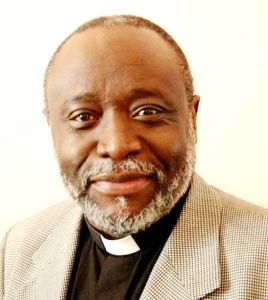
This tribute is an awe of Pope Francis life & legacy
May Pope Francis's soul rest in peace and rise in glory!
By Emeritus Kajumba Daniel – Former Archideacon Reigate England
 OLULYO OLULANGIRA ONLINE
Thank you so much thatha Kajumba for brief history about the goods dids of our late pope Francis
LikeLike